We assign intelligence to microchips while treating living people like obsolete machinery. That contradiction sat at the absolute center of Pope Leo XIV's address at UNESCO in Paris, kicking off his high-stakes trip to France with a blunt warning about our collective obsession with technological efficiency.
Most headlines treated the speech as standard Vatican boilerplate about artificial intelligence and human rights. They missed the underlying punch. The Pope isn't just worried about robots taking jobs. He's calling out a culture that measures human value strictly by output, treating anyone who doesn't generate data or profit as disposable.
If you're wondering why a speech at a cultural organization matters to your daily life, look at how we talk about progress. We build systems that parse petabytes in milliseconds, yet we can't answer the simplest question about why any of it matters.
The Core Problem With Efficiency
Modern tech culture runs on a single metric: speed. If a model runs faster or scales wider, we call it smart. Pope Leo dismantled that assumption right away. He pointed out a glaring paradox in modern society. We slap the label "intelligent" onto computational systems, yet we struggle to recognize the basic, inalienable dignity of actual human beings.
When worth gets tied to productivity, vulnerability becomes a liability.
- The elderly and infirm get sidelined because they don't produce.
- Unborn children and refugees get treated as economic burdens or policy problems.
- Workers get replaced the second automation offers a cheaper alternative.
It's a brutal standard. And it’s entirely normalized. When efficiency becomes the highest moral good, humanity takes a back seat.
Why Algorithms Cannot Solve the Meaning Crisis
Tech companies want you to believe that if you feed enough data into a language model, you'll eventually crack the code of human existence. Pope Leo called that bluff directly. He stated that while AI can correlate massive piles of information, it completely fails to answer questions about the meaning of human life.
Meaning doesn't come from data points. It comes from lived experience.
Think about it. You don't grieve, fall in love, or find purpose through a probability matrix. You do it by bleeding, laughing, and screwing up in the real world. As the Pope put it, meaning is the oxygen of the mind. Starve people of real human connection and dump endless synthetic noise on them, and society suffocates.
We talk faster than ever now. Fiber-optic cables and satellite networks beam opinions across the planet in microseconds. But faster communication hasn't made anyone wiser. It just amplifies garbage at scale.
Protecting the Most Vulnerable in a Digital World
You can't talk about the future of tech without talking about kids. They're growing up in an environment designed by engagement engineers whose only job is to monetize attention spans.
Pope Leo demanded that the international community pay special attention to children and young people caught in the digital crossfire. Their vulnerability shouldn't be an open invitation for tech giants to mine their data or hook them on dopamine loops. Education needs to teach critical thinking, not just coding. People need to own their minds before algorithms own them for them.
Technology has to remain subordinate to human growth. The moment we start shaping humans to fit the requirements of machines, we've got things entirely backward.
Moving Past the New Colonialism
The speech also touched on darker historical echoes. Using the biblical story of the Tower of Babel, the Pope warned against a forced, homogenized global unity driven by domination. Today, that shows up as new forms of digital colonialism. A handful of powerful corporate monopolies dictate the rules of communication, commerce, and culture for the entire planet.
When science and technology get reduced to raw techniques of power, they stop elevating humanity. They start controlling it.
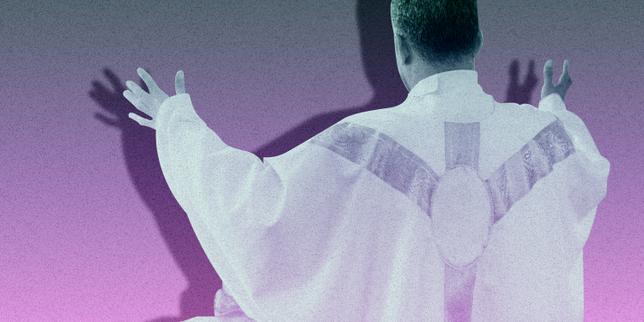
You don't have to wear a cassock to see the truth in that. Look at your own screen time reports. Look at how algorithms quietly herd you toward outrage because anger drives ad revenue. We built these tools to connect us, and now they're dividing us into isolated, angry echo chambers.
Stop treating technology as an unstoppable force of nature that we just have to endure. It's a choice. We build the tools, and we set the rules. Demand that the tech you use serves human dignity instead of chewing it up for parts. Push back against systems that measure your worth in output. Start valuing real experience over synthetic noise.