Farming is a constant gamble with weather, global supply chains, and volatile commodity prices. You spend a small fortune on seed, diesel, and fertilizer, only to watch a late frost or a dry summer wipe out your margins. That is why an Iowa corn and soybean producer made a quiet pivot that changed his balance sheet forever. He surrendered just two acres of his land to two industrial wind turbines and associated infrastructure. By 2021, that single agreement pulled in $25,000 annually, netting him a higher return per square foot than any other enterprise on his property.
It sounds counterintuitive. Traditional agriculture worships every single square inch of tilled soil. Yet, looking at the math behind modern rural land leases reveals why more agricultural operators are letting clean energy companies share their acreage.
The Brutal Math of Commodity Farming
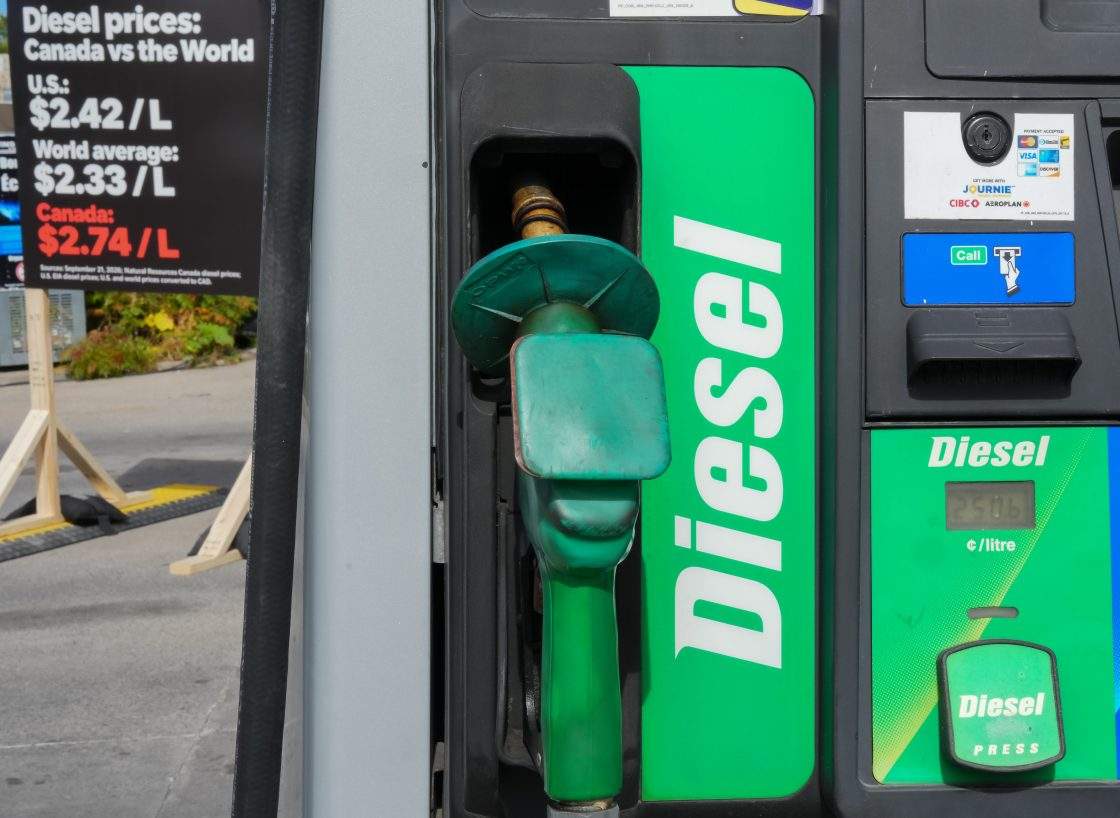
If you talk to anyone who works the land for a living, they will tell you the margins are razor thin. You are at the mercy of global markets you cannot control. Fertilizer costs spike because of international trade disputes. Diesel prices jump overnight. A bushel of corn might soar one season and plummet the next.
Grain crops demand heavy capital investment upfront. You buy expensive seed, spray chemicals multiple times a year, run heavy machinery that burns thousands of gallons of fuel, and pray for rain at the exact right moment. When you calculate the net profit after accounting for all those inputs, the final number can look terrifyingly low.
Wind turbine leases flip that economic model on its head.
Why Two Acres Outperform the Rest of the Field
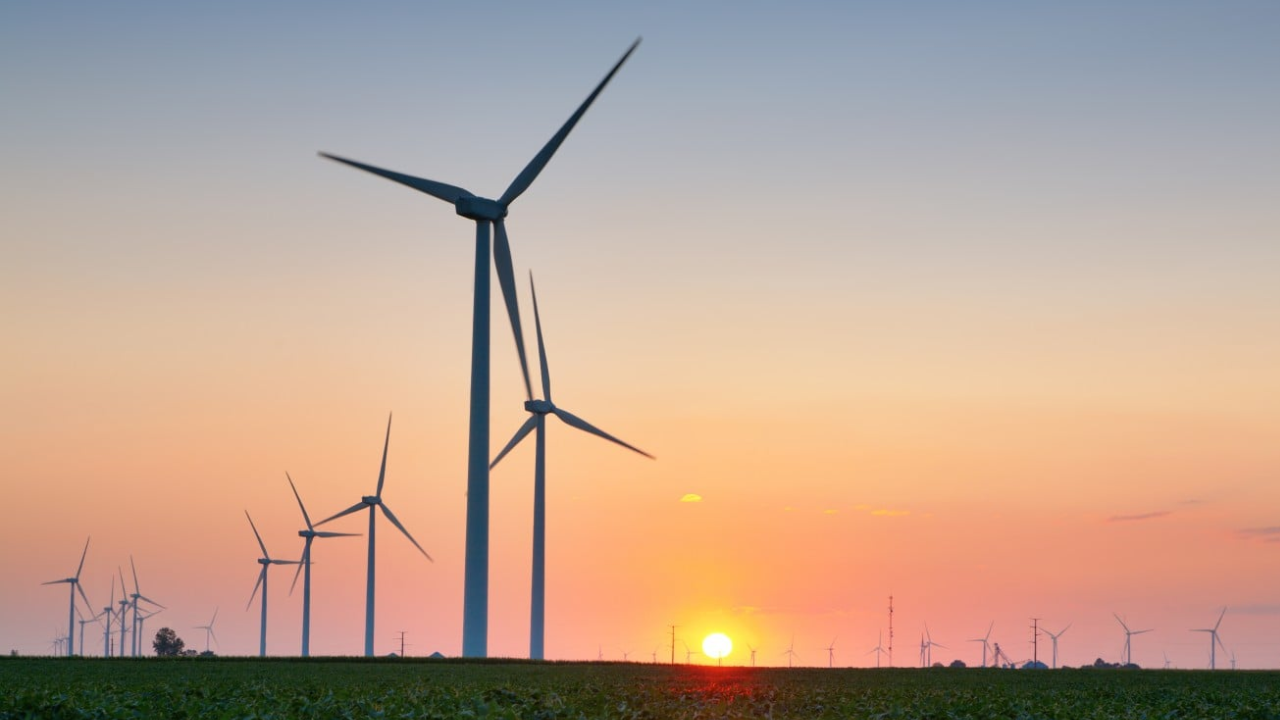
The Iowa farmer in question did not hand over his entire operation. He gave up less than two acres total for two massive wind towers, access roads, and electrical equipment.
The physical footprint of a commercial wind turbine is surprisingly small. Each modern tower typically requires about three-quarters of an acre for its concrete foundation, transformer pad, and gravel access road. The rest of the field continues to operate normally. You can drive your combine right past the base of the tower and harvest corn up to the edge of the gravel.
More importantly, the lease agreement requires zero operational input from the landowner. There are no fertilizer bills for the turbine base. There is no seed to buy. There are no harvesting expenses. The energy developer writes a fixed check every year, rain or shine, drought or flood. According to agricultural analyses from groups like DTN, these fixed lease payments create an income floor that protects families when commodity markets crash.
The Shift Across the American Midwest
Iowa sits at the epicenter of onshore wind development in the United States. Data from the U.S. Energy Information Administration shows that wind turbines have generated over sixty percent of the state's total electricity output in recent years, leading the nation in wind power utilization.
This is not an isolated occurrence. Across the Midwest, multi-decade utility agreements are serving as financial lifelines. Regional reports from outlets like CBS News highlight how older farmers use these steady lease revenues to clear legacy debts and pass family farms down to the next generation without selling off parcels to developers.
Long-term utility contracts typically run for twenty to thirty years. That kind of financial visibility is impossible to find in standard grain contracts, which shift day by day based on weather reports and export data.
Weighing the Local Pushback
Clean energy co-location is not without friction. While individual landowners benefit from the reliable income, rural communities often grapple with complex local politics.
Utility-scale projects generate substantial tax revenue for county governments and public school districts. Research from the American Clean Power Association indicates that wind developers contribute over one billion and a half dollars annually in combined land lease payments and local property taxes nationwide. This money frequently funds road repairs and emergency services without hiking local property taxes.
Even so, resistance remains stubborn. Several county boards across the Midwest have enacted strict zoning rules, setback requirements, or temporary bans on new commercial turbines. Neighbors often voice concerns about visual changes to the rural horizon, operational noise, and potential impacts on property resale values. Negotiating these community dynamics requires careful planning and open communication between developers and local residents.
Integrating Energy With Modern Agriculture
Researchers now use terms like agrivoltaics or agricultural co-location to describe the intentional blending of food production and power generation on the same tract of land. Whether it is wind turbines sharing space with cornfields or solar arrays paired with sheep grazing, the underlying concept is identical.
Land is a finite resource. When you can harvest photons or kinetic wind energy fifty feet above the exact same dirt where you grow soybeans, you maximize the economic output of every acre.
If you own agricultural land or work with rural property owners, look closely at regional energy transmission maps and local developer proposals. Do not dismiss renewable energy infrastructure as a disruption to traditional farming. Treat it as a high-margin diversification strategy that can keep a multi-generational farm solvent through the next down cycle. Review existing property boundaries, talk to legal counsel experienced in utility contracts, and evaluate whether your acreage sits in a high-wind corridor ready for co-location.