For decades, Canada had one primary energy strategy. Pump crude oil, ship it south, and let American refineries handle the rest. That trade relationship felt permanent. It wasn't.
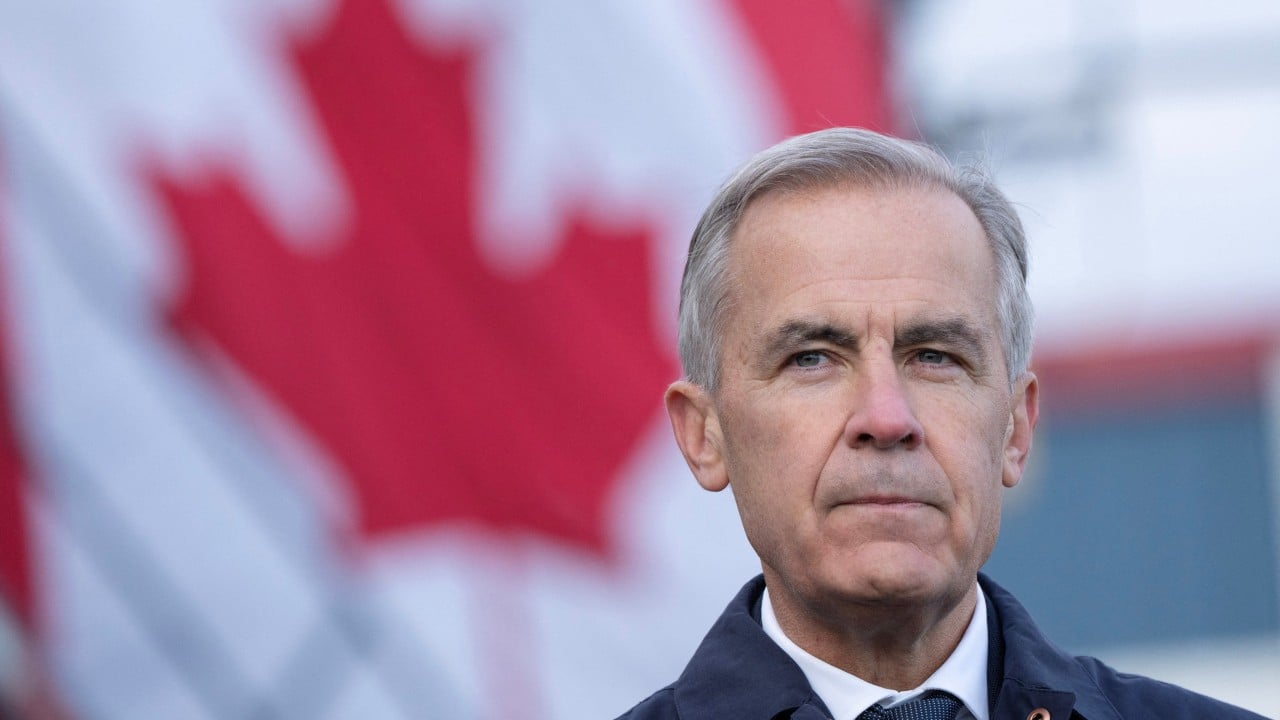
Prime Minister Mark Carney's government just announced a massive shift. Canada is fast-tracking a major west coast oil pipeline project. The goal is simple, stark, and long overdue. Canada wants to slash its economic reliance on the United States and unlock direct access to global energy markets.
If you look at the raw numbers, the vulnerability becomes obvious. Historically, over 75 percent of all Canadian merchandise exports went to a single customer down south. When your biggest buyer holds all the leverage, you accept whatever price they offer. Canadian crude has often traded at steep discounts simply because it had nowhere else to go.
That dynamic is changing rapidly. Trade data shows the U.S. share of Canadian exports dropping significantly, falling toward two-thirds as Ottawa pushes a hard economic pivot. The new west coast pipeline proposal aims to push that momentum even further.
The High Cost of a Single Customer
Let's be honest about how Canadian energy ended up in this box. Building infrastructure across Canada's rugged geography is expensive, politically charged, and painfully slow. Environmental regulations, Indigenous consultations, and provincial disputes have historically killed major pipeline projects before a single shovel hit the dirt.
Meanwhile, American refineries in the Midwest and the Gulf Coast enjoyed a steady, discounted supply of heavy crude. Canadian producers got stuck taking what they could get. When you lack tidewater access, you cannot ship efficiently to Asia or Europe. You are a captive supplier.
Mark Carney made the stakes clear during a recent announcement in Fort McMurray, the heart of Alberta's oil sands. The federal government aims to streamline the regulatory approval process by September 1, 2027. Ottawa projects that the one-million-barrel-a-day pipeline could generate more than 20 billion Canadian dollars annually in GDP and upwards of 100 billion Canadian dollars in government revenue by 2060, alongside creating roughly 140,000 jobs.
Those numbers sound ambitious. They are. But the underlying motivation isn't just about chasing higher corporate profits. It is about national sovereignty.
Why Asia and Global Markets Matter Now
Global energy demand isn't shrinking. Asia remains hungry for reliable energy sources, especially with ongoing instability in traditional supplying regions like the Middle East. Shippers on Canada's west coast enjoy a geographic advantage when sailing toward Asian import terminals.
Connecting Alberta's oil sands directly to maritime export hubs means Canadian producers can bypass the U.S. bottleneck. Instead of selling exclusively to American buyers who can dictate terms, Canadian energy companies can entertain competitive bidding from international buyers.
This diversification strategy is part of a broader federal push to double non-U.S. trade over the next decade. Trade officials are targeting roughly 600 billion dollars in exports outside the United States. It's a massive target. It requires a total rethink of how Canada moves goods from its interior to the ocean.
The Hurdles Standing in the Way
Of course, building a massive cross-country pipeline is never straightforward. Environmental groups have valid concerns about marine tanker traffic along the coast and local ecosystem impacts. Provincial friction remains a constant reality in Canadian politics.
Furthermore, critics argue that pouring capital into fossil fuel infrastructure risks long-term climate targets. The global transition toward renewable energy is real. Investing billions into a multi-decade oil project feels counterintuitive to some economists who prefer funding clean tech or critical mineral processing.
Yet the federal calculus seems pragmatic. Global oil consumption is expected to stay high for years to come. If oil is going to be produced anyway, Canadian leaders argue it should be produced under strict environmental standards and sold at top dollar to the world, rather than sold at a discount to our neighbors.
What Happens Next
The road to September 2027 is paved with fierce political battles. First nations groups, environmental regulators, and energy executives will clash over every single mile of the proposed route.
The success of this fast-tracked pipeline will test whether Canada can still build major nation-shaping infrastructure in an era of hyper-partisanship and regulatory paralysis. If Ottawa pulls it off, it changes the North American economic balance sheet permanently. If it fails, Canada remains tethered to a single market, vulnerable to whatever trade winds blow from Washington.
Build the infrastructure, open the tidewater routes, and let the market decide.