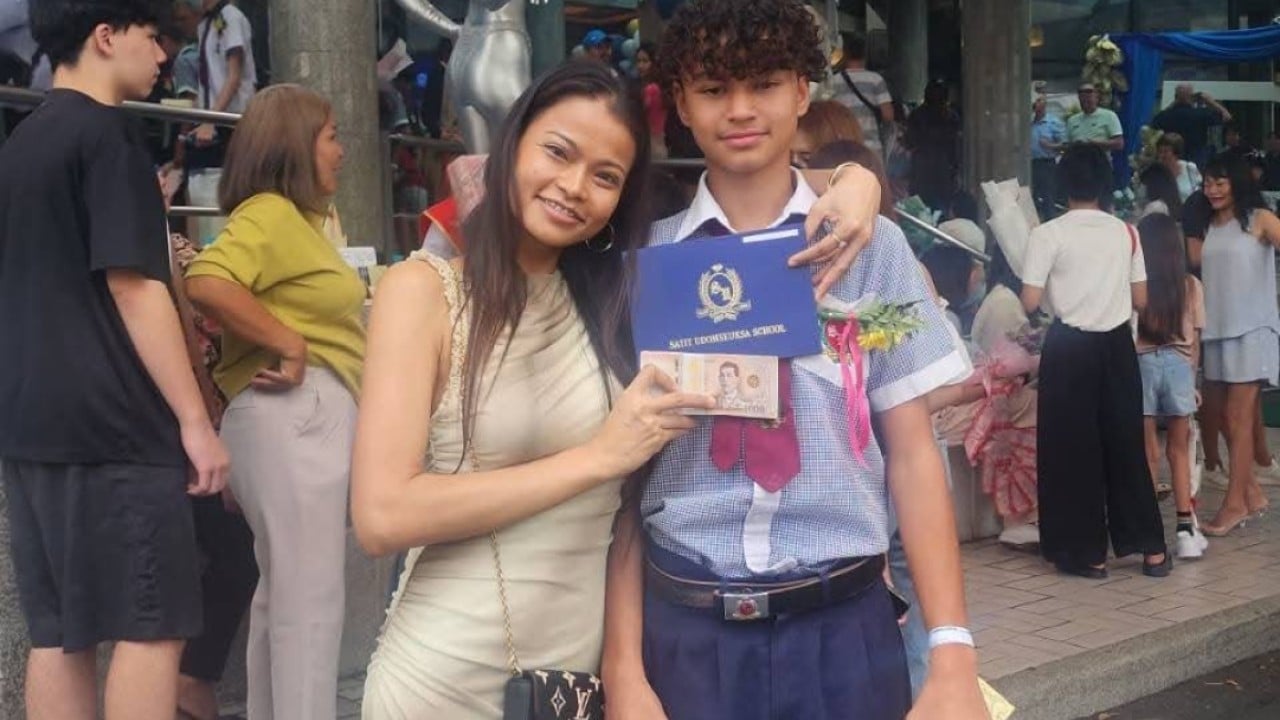
You saw it on your feed. Donald Trump embracing Natalie Harp. The picture looked completely real at first glance. It wasn't. It was an artificial intelligence fabrication, yet millions shared it anyway.
Let's be honest about what just happened. The digital ecosystem is completely broken. People don't check sources anymore. They see an image that triggers an emotional reaction, and their finger hits the share button instantly.
We are living through a massive visual literacy crisis. Synthetic media used to look like a blurry nightmare with extra fingers and weird teeth. Not anymore. Modern generative models produce clean, believable propaganda in seconds.
The Mechanics Behind The Viral Trap
Why do these fakes spread like wildfire? Simple human psychology. Platforms reward outrage and confirmation bias. If you dislike a political figure, your brain desperately wants negative images of them to be true. Critical thinking goes out the window the second a graphic confirms your worldview.
Content creators know this trick well. They feed specific prompts into diffusion models, tweak the lighting, and bypass basic safety filters. Then they drop the file onto social networks without any context labels.
The image involving Trump and his aide spread because it hit a sweet spot of ambiguity. It wasn't overtly cartoonish. It sat right in the uncanny valley where casual scrollers mistake a machine hallucination for real photojournalism.
How To Spot Synthetic Media Before You Share
You can't trust your eyes anymore. That sounds paranoid, but it's the baseline reality of modern media consumption.
Stop looking at the whole picture first. Zoom in on the edges. Look at reflections in eyeglasses, hair strands blending into clothing, and background text on signs or walls. Generative tools still struggle with consistent typography and physics.
Check the metadata if you can get your hands on the raw file. Better yet, look for reverse image search results from trusted wire services like Reuters or Associated Press. If no mainstream outlet has the photo, assume it's garbage until proven otherwise.
Ask yourself a basic question before reposting anything striking. Does this image sound like something that would happen in a controlled, heavily photographed public environment without massive press coverage? Usually, the answer is no.
The Broader Threat To Public Discourse
The real danger isn't just one fake photo of a politician. It's the erosion of shared reality.
When anything can be dismissed as a deepfake, powerful people get a convenient excuse. Real scandals can be brushed aside as synthetic creations. Conversely, totally fabricated lies get treated as gospel truth by partisan echo chambers.
We are moving into an era of radical skepticism. Trust in journalism is already at rock bottom. Synthetic imagery throws gasoline on that fire.
Fixing this requires a complete shift in how platforms handle media literacy. Slapping a tiny, nearly invisible label on a manipulated photo doesn't work. Most users scroll too fast to notice fine print. Platforms need aggressive friction—interstitial warnings that force people to pause before amplification.
Until tech companies actually build better guardrails, the burden falls squarely on you. Stop treating social media feeds as reliable news sources. Verify the origin before you hit retweet, and stop letting algorithms manipulate your emotions for engagement metrics.