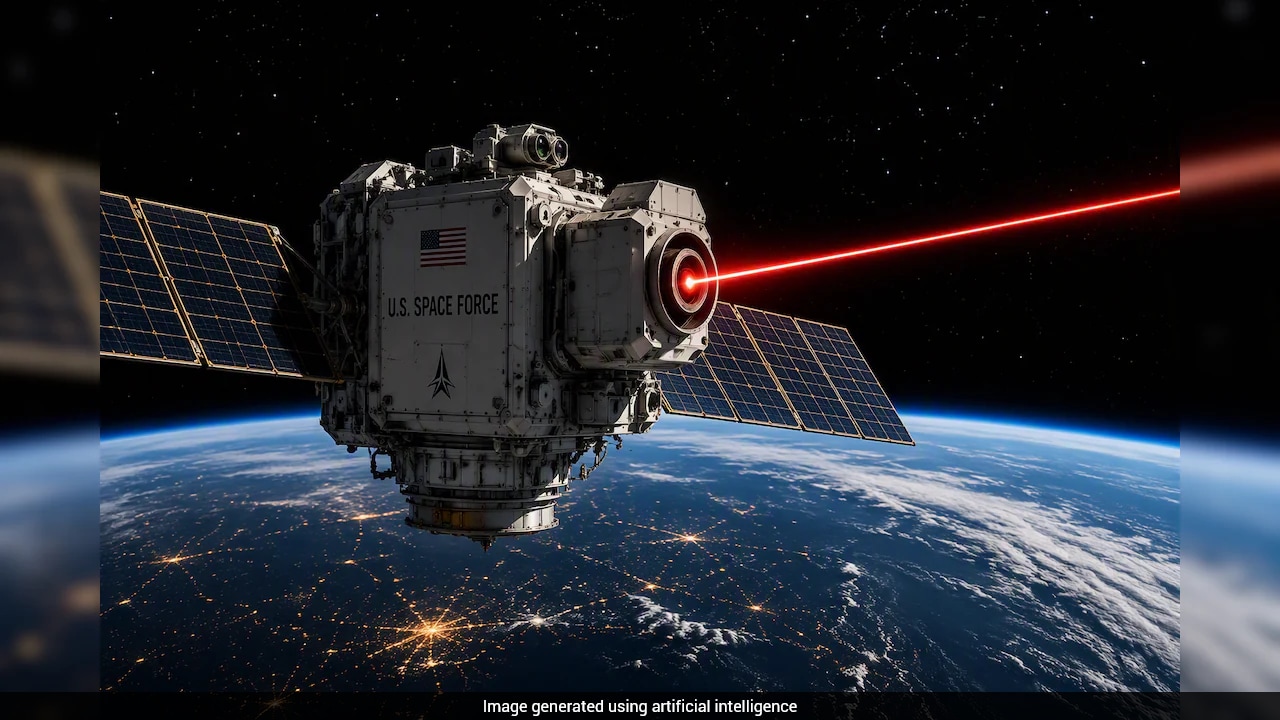
The final frontier isn't just for science fiction anymore. Washington just confirmed something most defense analysts suspected for years. The United States has officially deployed weapons in space.
For decades, international treaties framed orbit as a peaceful sanctuary away from terrestrial conflicts. That illusion is officially dead. US Air Force Secretary Troy Meink admitted that these on-orbit systems are designed to protect American assets against hostile threats. He kept the exact specifications under wraps. What are these systems actually doing up there? Who else is playing this high-stakes orbital game? The reality is far more complex than a simple sci-fi laser show.
What is Hiding in Orbit Right Now
When you hear about space weapons, your mind probably jumps to sci-fi death stars or kinetic orbital kinetic rods dropping tungsten spikes. The reality is much quieter, and arguably much sneakier.
Experts studying military astropolitics point toward non-kinetic capabilities. Think electronic warfare and radio-jamming platforms. Satellites depend entirely on radio links to talk to ground control stations, GPS receivers, and other spacecraft. Cut those communication paths, and a multi-billion-dollar spy satellite becomes an expensive piece of floating space junk.
You don't need to blow up a rival satellite to defeat it. You just need to blind it.
There is also the threat of rendezvous and proximity operations, known in defense circles as RPOs. These are maneuverable spacecraft designed to sneak up close to foreign satellites. They can inspect, grapple, or nudge competitors out of position. China has already demonstrated space tug capabilities that can grab objects and shove them into different orbits. While these technologies double as debris-cleanup tools, their dual-use nature makes them terrifying military assets.
The Global Arms Race in the Heavens
The US isn't acting in a vacuum. Russia and China have spent the last decade aggressively testing proximity operations and co-orbital systems. Moscow has tested projectiles launched directly in orbit, while maintaining a robust arsenal of ground-based and air-launched anti-satellite missiles capable of striking low-Earth orbit targets.
India has also demonstrated direct-ascent anti-satellite capabilities through tests like Mission Shakti, proving that breaking satellites from the ground is well within reach for multiple regional powers.
What happens when an orbital collision happens by accident? The Kessler syndrome is a real risk. If one nation destroys a satellite with kinetic force, thousands of high-speed shrapnel pieces will tear through orbit at 17,000 miles per hour. That shrapnel doesn't check flags before impact. It will shred civilian weather satellites, commercial GPS networks, and communication grids relied upon by billions of people on Earth.
The 1967 Outer Space Treaty banned weapons of mass destruction in orbit, but it left massive loopholes for electronic warfare, cyber attacks on space infrastructure, and rendezvous systems. Nations are exploiting those legal grey areas to the absolute limit.
What This Means for Everyday Life
You rely on space every single time you check a map on your phone, trade stocks, or check the weather forecast. When military powers start turning orbit into a contested battlefield, the collateral damage won't just affect generals. It hits civilian infrastructure instantly.
We are past the point of preventing the militarisation of space. The race is already running at full speed. Keep an eye on commercial space surveillance tracking and international policy shifts over the coming months. The rules of engagement are being written right now above our heads.