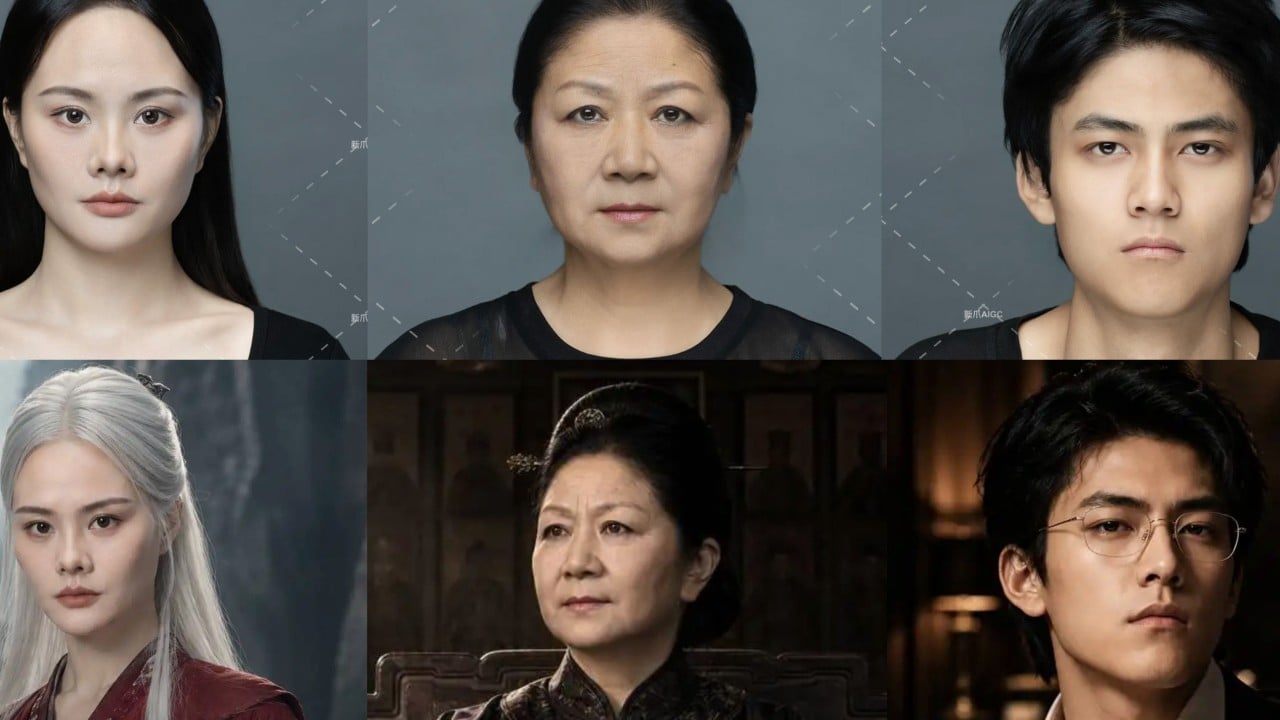
You can sell your face online right now for anywhere from seven bucks to fifteen thousand dollars. Sounds like a sci-fi dystopia, right? It is actually happening across China right now, turning ordinary citizens into digital extras for AI-generated short dramas, mobile games, and digital commercials.
Private chat groups used to handle these "face-selling" deals behind closed doors. Now, they have moved out into the open on dedicated public digital actor platforms like Yuanxiang Xinsheng and Xinzhua. Instead of scrolling social media for free, everyday folks are uploading their biometric data to earn passive cash.
The Economics of a Digital Portrait
Let's look at the numbers. A bank employee in China recently bagged roughly 2,500 yuan, or about US$370, after an ad agency bought his digital portrait seven times in just three days. That is decent side income for doing absolutely nothing while sitting at your desk.
Prices vary wildly depending on your look and what you allow. On platforms like Yuanxiang Xinsheng, authorization fees stretch from 50 yuan (US$7) all the way up to a staggering 99,999 yuan (US$15,000). A 34-year-old user named Chen sets his single-use price at 99 yuan. He permits his face to appear in romance and family-friendly storylines. Horror or explicit content? Hard pass. He blocks those entirely in his contract terms.
Other registries break down pricing by specific media categories. Take a platform operating out of Chengdu called Xinzhua. It hosts hundreds of digital profiles where users set terms for commercials, modeling, animations, or gaming. A profile featuring a woman named Lin lists options for 500 yuan each. Her terms even permit villainous roles, foreign character portrayals, and death scenes.
People are rushing in for different reasons. Some view it as a clever side hustle. Others participate out of pure self-defense. A Guangdong resident named Kele put her face on a marketplace simply to take control of her digital identity. She figures that if AI is going to scrape and use digital likenesses anyway, she might as well get paid for it.
The Fine Print Trap
Behind the gold rush lies a messy legal reality. Lawyers and privacy advocates are sounding alarms about predatory platform agreements. Many of these digital asset contracts lean heavily in favor of the operators.
Some user agreements force individuals to waive broad personal rights covering their voice, name, and facial portraits. The penalties can bite hard, too. If an ordinary user tries to withdraw their authorization early, they might face fines starting around 50,000 yuan (US$7,500). Meanwhile, the platforms face minimal penalties if they delay payouts.
Minors present an even bigger headache. Platforms feature categories for children, though strict parental consent laws in China govern anyone under 14. Teenagers aged 16 and 17 can technically sign off on their own data processing, yet they rarely grasp the long-term consequences of licensing their biometric footprint to commercial AI pipelines.
Where the Market is Heading
Opinion is split right down the middle online. Optimists look at these platforms as a democratization of media. Anyone can grab a piece of the entertainment pie without moving to Beijing or auditioning for casting directors.
Pessimists argue that everyday faces hold very little long-term value. They claim that generative models can spin up endless realistic faces from scratch for pennies, meaning only true celebrities command real recognition power.
If you are thinking about jumping into the digital likeness market yourself, read every single clause of the user agreement before uploading a single headshot. Check what rights you retain, look out for hidden penalties, and make sure you control where your digital double ends up.