Step outside right now and you can feel it. The seasons don't behave the way they used to, and summers drag on like an unwanted houseguest. Lakes shrink before winter even arrives, and every year we tell ourselves the same tired lie: it's just a hot year. But it isn't. The Pacific Ocean is currently fueling a climate machine that is rewriting weather rules across the globe, and the 2026 El Nino is shaping up to be an absolute monster.
According to updates from the World Meteorological Organisation (WMO) and the US National Oceanic and Atmospheric Administration (NOAA), a very strong El Nino is firmly established and locked in to persist well into 2027. Sea surface temperatures in parts of the eastern equatorial Pacific have already soared past 3 degrees Celsius above normal. For India and the rest of the world, this isn't just an abstract data point on a meteorologist's screen. It's a loaded gun pointed straight at agricultural supply chains, water reserves, and public health systems.
What Makes the 2026 El Nino Different
We have seen El Nino cycles before. The phenomenon itself is a natural climate driver defined by the warming of surface waters in the central and eastern tropical Pacific Ocean. However, what makes the current cycle uniquely dangerous is the backdrop against which it is playing out.
Global oceans have been shattering temperature records, pushing ambient heat levels to unprecedented highs. When a powerful El Nino rides on top of a background climate that is already running a fever, the compounding effects throw standard meteorological models out the window.
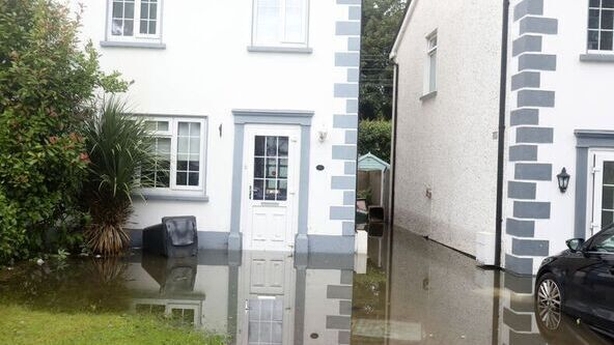
Think of it like an athlete running a marathon with a 102-degree temperature. They might finish, but the system is bound to break down in spectacular fashion. The WMO has warned of above-normal temperatures across almost all global land areas, while rainfall distributions fracture into erratic patterns of devastating floods in one region and bone-dry droughts in another.
The Indian Monsoon Under Siege
India's relationship with the weather is deeply personal. Our economy, our food security, and our daily rhythms dance to the heartbeat of the southwest monsoon. When that heartbeat skips a beat, the shockwaves hit every single household.
The 2026 monsoon season has already given us a preview of this volatility, characterized by unorganized downpours, abrupt dry spells, and a measurable rain deficit as the seasonal withdrawal kicks in. A warm tropical Pacific systematically disrupts the Walker circulation, weakening moisture-laden winds before they can adequately drench the subcontinent.
To complicate matters, the Indian Ocean Dipole (IOD) is playing a tug-of-war with Pacific forces. While a positive IOD phase can sometimes act as a buffer, the friction between these competing oceanic systems often produces a frustrating paradox: an overall dry season punctuated by violent, localized flash floods that overwhelm urban drainage systems in hours. Farmers face a nightmare scenario where sowing calendars are upended, reservoirs run dangerously low, and crops wither under sudden heat stress just before harvest.
A Global Threat to Food Security and Human Lives
India isn't alone in the crosshairs. The ripple effects of this climate spike are global. The United Nations World Food Program has warned that extreme weather tied to this cycle could push tens of millions of additional people into acute food insecurity, hitting regions like Central America, southern Africa, and parts of Southeast Asia alongside South Asia.
Public health is taking an equally brutal hit. A recent collaborative study highlighted by the Climate Impact Lab warns that El Nino-driven heatwaves could lead to hundreds of thousands of additional deaths globally through early 2027, with developing nations in the Global South bearing the brunt of the burden. Urban centers in South and Southeast Asia are facing lethal wet-bulb temperatures—where humidity and heat combine to strip the human body of its ability to cool itself.
When power grids fail under surging air conditioning demand and groundwater tables drop because municipalities over-extract faster than monsoons can recharge them, the crisis stops being an environmental debate and turns into a survival test.
Moving Beyond Reactive Panics
Governments and city planners have a nasty habit of treating extreme weather as a surprise, despite scientists shouting warnings years in advance. We draft elaborate disaster management policies, hold committee meetings, and then scramble reactively when the first heatwave hits or rivers overflow their banks.
Surviving the next several months requires a radical shift in how we handle climate shocks. Anticipatory financing—releasing emergency funds before disasters peak rather than picking up pieces afterward—must become standard protocol. Cities need to scale up public cooling infrastructure, safeguard outdoor laborers with mandatory rest laws, and stop treating groundwater as an infinite piggy bank.
The 2026 El Nino is a brutal wake-up call. Ignore the warning signs now, and we won't just be talking about a season of extremes. We'll be managing a permanent new normal.