Geopolitics rarely moves in straight lines, but few moves rattle Beijing quite like a congressional delegation touching down in Dharamshala.
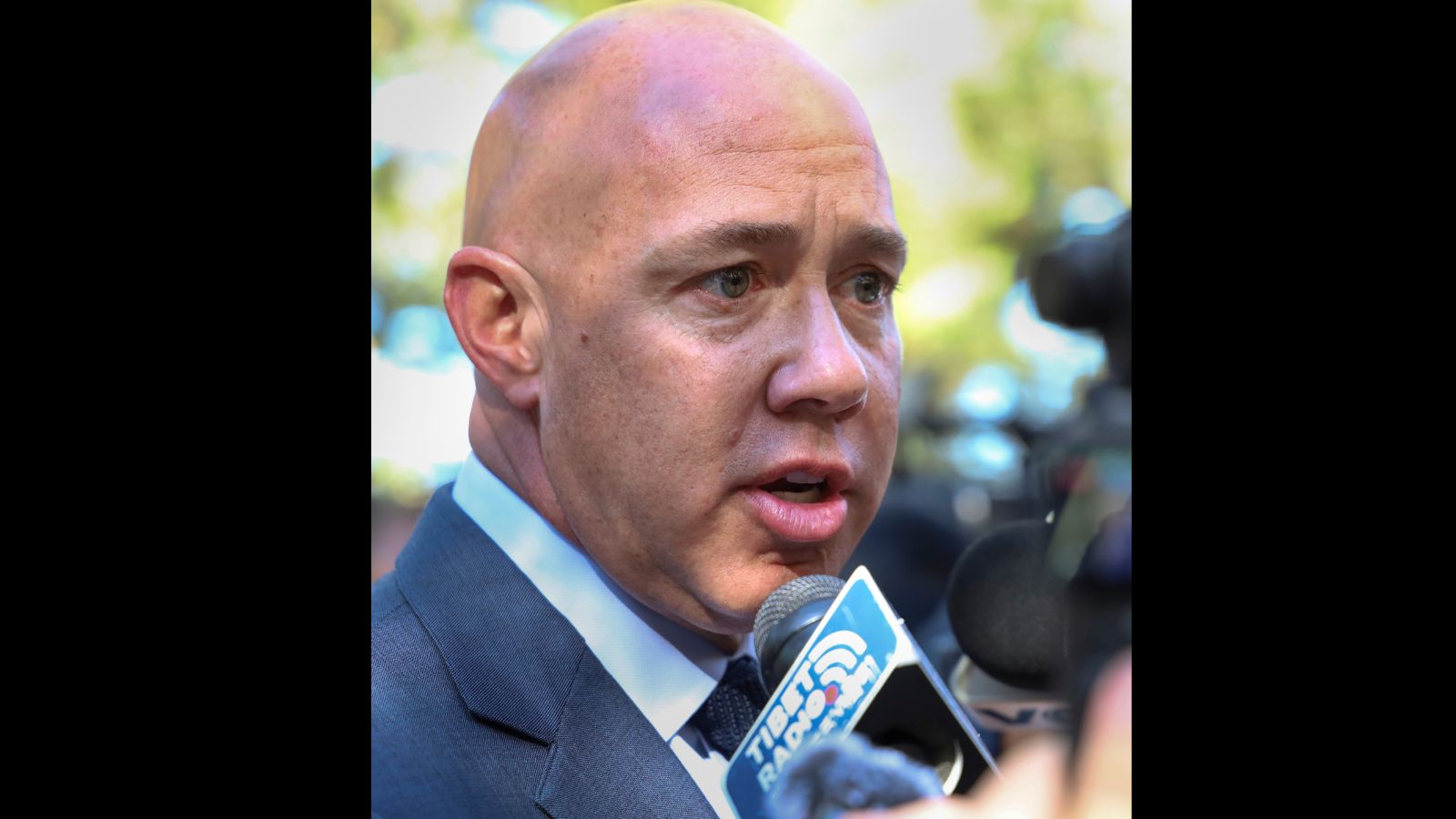
Right after high-stakes talks between Donald Trump and Chinese President Xi Jinping, a bipartisan group of US lawmakers traveled directly to India's northern hills to meet the Dalai Lama. Led by House Foreign Affairs Committee Chairman Brian Mast alongside lawmakers like Gallagher, the delegation made a loud statement about Tibetan freedom, human rights, and transnational repression.
If you think this visit was just symbolic window dressing, you're missing how fiercely Washington and Beijing are jockeying for leverage.
Behind the Dharamshala Visit
Timing is everything in international relations. Landing in Dharamshala immediately following the Trump-Xi summit wasn't an accidental scheduling quirk. It was a calculated reminder that while trade deals and presidential handshakes happen in Washington or Beijing, human rights and self-determination remain non-negotiable points of friction for American legislators.
Mast told reporters after the meeting that the Tibetan spiritual leader actually viewed the Trump-Xi summit as an important development. Two leaders representing global economic powerhouses need to talk face-to-face. Yet, while presidents negotiate macroeconomics and tariffs, US lawmakers use congressional visits to ground foreign policy in human rights.
The delegation didn't mince words about what they see happening globally. Mast pointed directly to Beijing's long arm of transnational repression, calling out how foreign surveillance and monitoring stretch across borders to silence dissidents.
The Core Message Sent to Beijing
When lawmakers meet the Dalai Lama, the immediate reaction from Chinese state media is predictable fury. Beijing views the Tibetan spiritual leader as a dangerous separatist, while Washington treats him as a global symbol of peace and religious freedom.
During the visit, the delegation laid out a blunt message for the Chinese leadership. They urged Beijing to stop suppressing its people, grant basic freedoms, and allow genuine self-determination and cultural preservation.
This bipartisan show of support isn't new, but its timing highlights an ongoing truth in American foreign policy: Congress remains one of the most consistent thorns in Beijing's side regarding Tibet. Even when presidential administrations try to smooth over trade ties or de-escalate tensions, Capitol Hill keeps the focus squarely on autonomy and religious liberty.
What Happens Next on Tibet Policy
Diplomatic visits to Dharamshala act as practical pressure valves. They keep the Tibet issue alive on the global stage when other geopolitical crises threaten to crowd it out.
If you are tracking US-China relations, watch how Beijing responds through state channels and economic maneuvering. Expect sharp rhetorical pushback, but also notice how resilient congressional backing for Tibet has proven across multiple presidential terms.
Take a close look at how legislative committees continue funding support programs and monitoring cross-border intimidation. Real policy shifts stem from this kind of persistent, high-level legislative focus.