European politics is shifting right, and the Vatican isn't happy about it. Across the continent, nationalist parties are winning elections, challenging the old political guard, and rewriting the conversation around borders and identity. Into this high-stakes arena steps the papacy, pushing a moral framework that directly clashes with populist agendas. If you think religion has no place in modern elections, you're missing how heavily moral authority weighs on European voters.
For years, the Catholic Church has found itself at odds with the surging nationalist movement. While far-right leaders in countries like France, Italy, and Germany rally voters with promises of strict border controls and cultural preservation, the Vatican preaches solidarity, human dignity, and the duty to welcome migrants. This tension isn't just about theology. It's an ideological turf war over the very soul of European democracy.
The Core Conflict Over Borders and Identity
Let's look at what's actually happening on the ground. When anti-immigration parties talk about defending European values, they usually mean sealing borders and pushing back against multiculturalism. They argue that rapid demographic changes threaten local heritage and security.
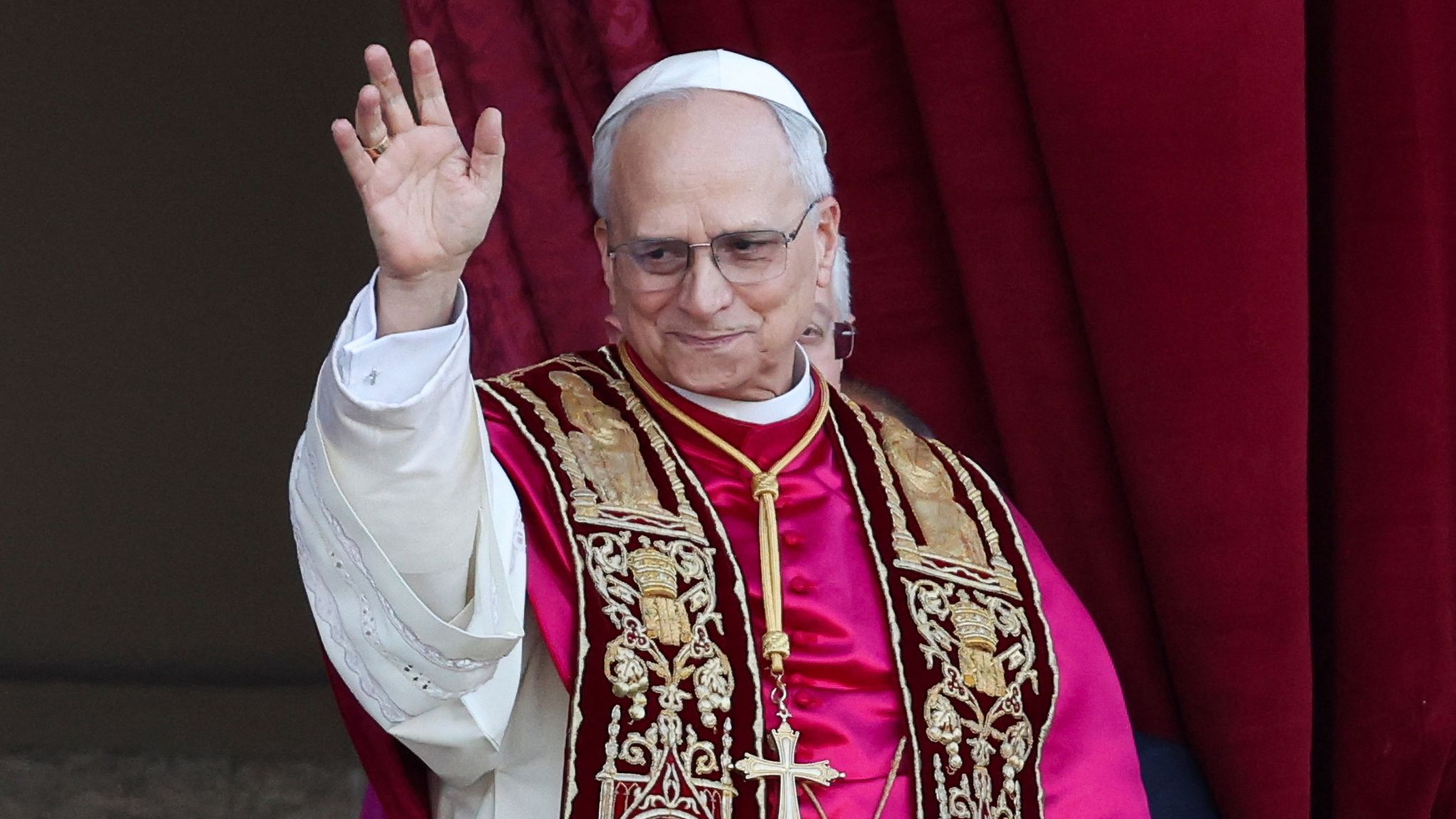
The papal counter-argument is straightforward: nations have a right to regulate their borders, but that right cannot trample the fundamental dignity of human beings fleeing poverty or war. Popes, from Francis to the newly elected Leo XIV, have consistently criticized the fortress mentality taking root in Western capitals. When Pope Leo travels to European crossroads like France or addresses regional leaders, he doesn't shy away from calling out what he sees as a retreat into isolationism.
Voters caught in the middle face a tough choice. Do they lean into nationalist protectionism to secure their economic future, or do they heed the humanitarian warnings coming from Rome?
Why Political Leaders Care What the Pope Says
You might wonder why secular politicians spend any time worrying about what a religious leader thinks. The answer is simple. Millions of European voters still identify as Catholic, even if church attendance is dropping.
In countries where elections are decided by razor-thin margins, churchgoers represent a massive, organized block. When a pope speaks out against populism, xenophobia, or the cold economics of turning away asylum seekers, it punctures the narrative that nationalist policies are morally neutral. It forces voters to weigh their political frustrations against their religious conscience.
Take recent political shifts in France and Germany. Right-wing factions like the Alternative for Germany or France's Rassemblement National have normalized terms like "remigration" and total border shutdowns. The Vatican's response is an intentional counter-weight, reminding citizens that solidarity shouldn't stop at national boundaries.
The Hypocrisy on Both Sides
Let's be completely honest about the contradictions here. Critics of the Church often point out that the Vatican sits behind massive walls in Rome while lecturing others on open borders. On the flip side, nationalist politicians love to claim they are defending Christian civilization while simultaneously adopting policies that run roughshod over Christian teachings on charity and the poor.
This hypocrisy fuels a fierce culture war. Right-wing influencers accuse church officials of being out-of-touch globalists who don't understand the everyday security pressures facing working-class neighborhoods. Meanwhile, clergy members argue that fear and anger are poor foundations for building a stable society.
What This Means for the Future of Europe
The collision between the Vatican and Europe's nationalist right is far from over. As economic strains continue and public services struggle under high debt, voters will keep turning toward populist solutions that promise quick fixes.
At the same time, the moral authority of Rome provides a persistent, stubborn voice of dissent. Whether that voice can actually turn the tide against the far-right wave is doubtful. Elections aren't won on moral sermons alone; they're won on jobs, cost of living, and security.
If you want to understand where European politics is heading, stop looking solely at parliamentary polls. Watch how ordinary citizens reconcile their desire for security with the enduring, uncomfortable demands of humanitarian ethics. The answer to that puzzle will shape the continent for decades.