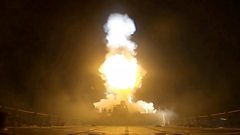
A brief lull in regional firing never meant the US-Iran confrontation was over. When Washington asked Congress for tens of billions in supplementary defense funding following renewed military exchanges, the reality hit home. Fragile truces in the Middle East rarely survive when underlying strategic goals haven't changed.
Hostilities escalated rapidly after clashes flared up again in the Strait of Hormuz. The US targeted dozens of Iranian military sites, and Iranian forces along with regional proxy groups fired back at military assets across Kuwait and Bahrain. Add the Houthis' maritime blockades to the mix, and it's clear we aren't looking at a sudden accident—it's the standard rhythm of a deep-seated war of attrition.
The Three Fronts Threatening Regional Stability
Looking closely at current developments reveals three major friction points driving this cycle of conflict.
1. The Strait of Hormuz Chokepoint
The Strait of Hormuz handles roughly a fifth of global petroleum consumption. Every time a ceasefire falters, shipping halts, oil prices spike, and insurance premiums for ocean transport soar. Reopening trade corridors sounds great in diplomatic talks, but enforcing long-term security in a narrow body of water surrounded by coastal missile batteries is an operational nightmare.
2. Escalation on the Arabian Peninsula
Direct exchanges aren't limited to Iran's borders. Facilities in neighboring Gulf states have repeatedly sustained damage from retaliatory barrages. Host countries harboring American military footprints find themselves caught in the crossfire, turning regional partners into direct targets.
3. Red Sea Maritime Blockades
The Houthis continue to leverage maritime choke points to disrupt commercial shipping. Intercepting inexpensive attack drones using multi-million-dollar defense missiles creates a massive cost asymmetric burden on Western coalition forces.
Escalation Dynamics:
[Strait of Hormuz Disruptions] ---> [US Tactical Strikes] ---> [Regional Proxy Responses]
           ^                                                                |
           |____________________(Funding & Attrition Cycle)_________________|
Why Ceasefires Keep Falling Apart
Temporary agreements fail because both sides use calm periods to reposition assets rather than address core grievances.
Washington seeks to dismantle Iran's regional influence and nuclear capabilities without committing to a full-scale ground invasion. Tehran uses non-state allies to raise the economic and political cost for the US, hoping to force a withdrawal. Neither objective is compatible with a permanent peaceful status quo.
Defense Secretary Pete Hegseth's congressional testimony requesting massive additional funding underscores this reality. You don't ask for tens of billions of dollars to manage a settled dispute; you request it to sustain long-term military pressure.
What You Should Watch Next
Instead of relying on official rhetoric about diplomatic breakthroughs, watch these practical metrics to gauge where the conflict is heading:
- Commercial Maritime Traffic Volume: Watch AIS vessel tracking data in the Strait of Hormuz and the Bab al-Mandab Strait. When commercial fleets anchor outside these zones, major escalations usually follow.
- Congressional Supplemental Funding Votes: Track how fast emergency military appropriations pass through the House and Senate to see true long-term commitment levels.
- Insurance Risk Premiums: Global shipping insurers adjust rates based on hard intelligence, making hull risk surcharges one of the most reliable leading indicators of conflict risk.
Keep an eye on these operational metrics over the coming weeks to cut through political statements and evaluate actual strategic shifts on the ground.