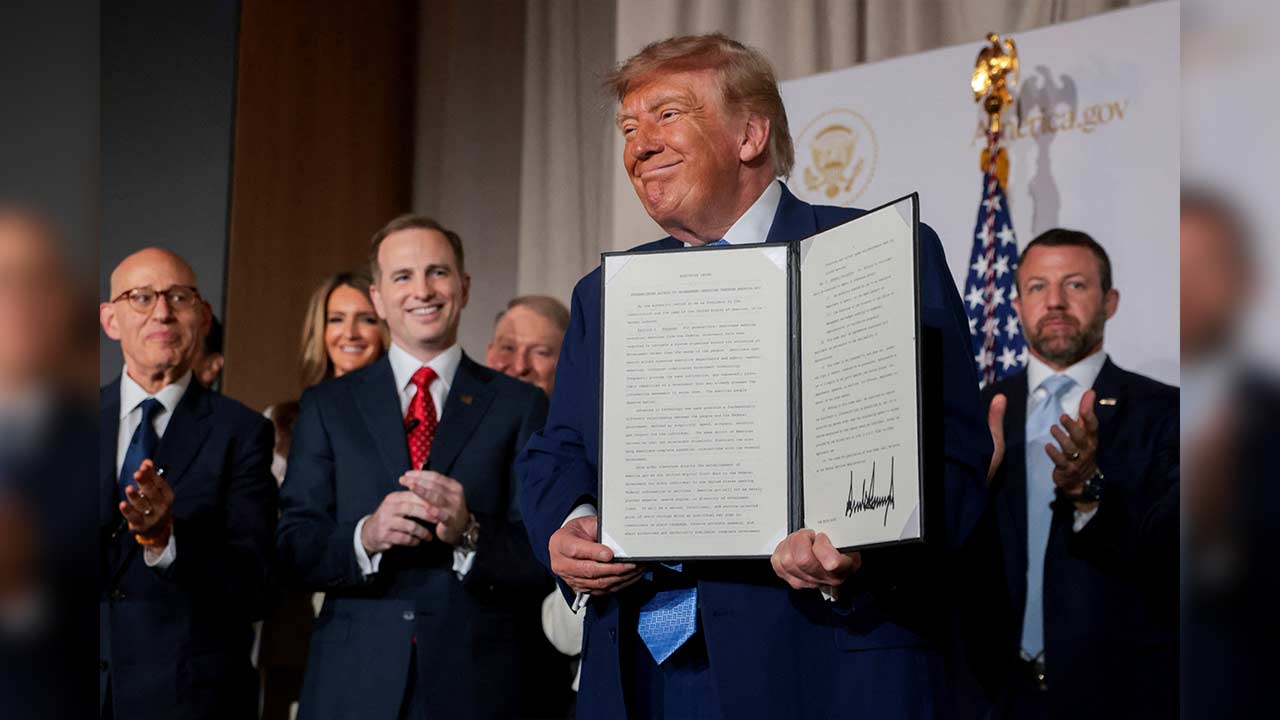
You have likely felt the sting at the pump if you drive a truck, run a farm, or simply watch your household budget shrink every time you fill up. Diesel prices have climbed past historical highs, averaging well over $6 a gallon in many parts of the United States. Facing mounting pressure from agricultural states and commercial operators ahead of upcoming midterm elections, President Donald Trump has openly weighed a drastic option: banning U.S. diesel exports entirely.
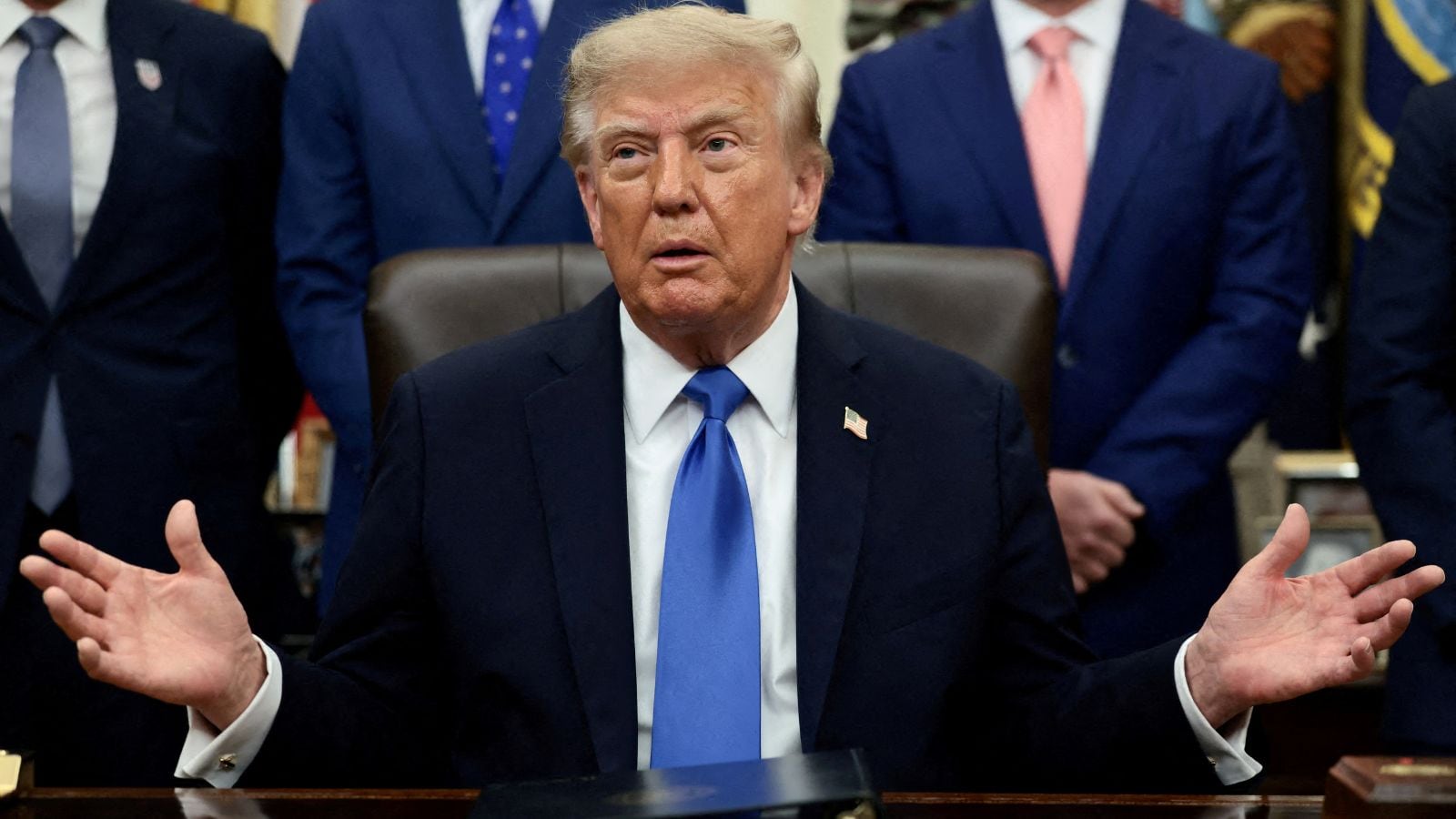
While the White House argues that keeping refined fuel inside domestic borders could flood the local market and drop prices for American drivers, energy analysts and industry insiders are sounding alarm bells. The brutal economic reality of modern oil refining means you cannot tinker with one fuel stream without throwing the entire system out of whack. Trump himself admitted from the Oval Office that restricting diesel exports would likely trigger a negative impact on gasoline prices.
The Mechanics Behind the Proposed Diesel Ban
Refining crude oil isn't like sorting laundry. You don't pull pure diesel out of a barrel on one end and pure gasoline out on the other. Both fuels are produced simultaneously from the same barrel of crude during the distillation process.
Proponents of an export ban look at the numbers and assume a straightforward fix. The United States routinely produces more diesel than it consumes locally, exporting roughly 1.5 million barrels a day to international buyers, particularly in Europe. Lawmakers urging for an embargo believe that forcing those barrels to stay home will instantly crash domestic prices, offering immediate relief to truckers and harvesters.
Energy Secretary Chris Wright and major trade groups like the American Fuel & Petrochemical Manufacturers tell a different story. They point out that a ban acts as a blunt instrument. Refineries operating on tight profit margins adjust their runs based on global demand. If the government forbids them from selling their excess product abroad, they won't simply absorb the loss. They will slash overall fuel production.
Why Gasoline Will Take the Hit
When refineries cut back on crude processing to avoid drowning in excess diesel, they automatically produce less gasoline as a byproduct. Lower overall output shrinks supply across the board.
That creates a dangerous paradox. You might see a short-term dip in diesel prices at local truck stops, but the nationwide drop in refining output will send regular gasoline costs soaring. Everyday commuters, delivery vans, and families driving standard cars will pick up the tab for a policy designed to help heavy industries.
Energy strategists at firms like Goldman Sachs and Wood Mackenzie have warned that global markets would also fracture. Europe, which has increasingly relied on American diesel imports to make up for shortfalls stemming from the ongoing war in Ukraine and disruptions in the Middle East, would face severe supply crunches. Global diesel prices would spike overseas, dragging imported energy costs right back up.
The Political Calculus and Real-World Stakes
Why even float such a controversial policy? The answer is simple politics. Rural lawmakers and agricultural lobbies are furious as sky-high fuel costs eat straight into profit margins during peak harvest seasons. Senators have publicly called for emergency curbs to protect local industries.
Yet, economic policymakers know that tampering with free-market trade flows usually creates unintended casualties. U.S. Chamber of Commerce and Business Roundtable executives have lobbied hard against any embargo, arguing that government price manipulation sets a chilling precedent for private enterprise.
You have to look past the political posturing to see what comes next. If the administration decides to pull the trigger on a temporary 90-day export restriction, expect immediate volatility. Domestic diesel might see temporary relief, but gasoline volatility will follow close behind, turning a localized complaint into a broader inflation headache.
Keep an eye on inventory reports and refinery utilization rates over the coming weeks. That is where the real story of American energy policy is written.
Trump is eyeing an export ban on U.S. diesel. It could cause gas prices to soar, experts warn.
This video provides an in-depth breakdown of how the proposed diesel export restriction could trigger widespread energy market disruptions and impact everyday drivers.