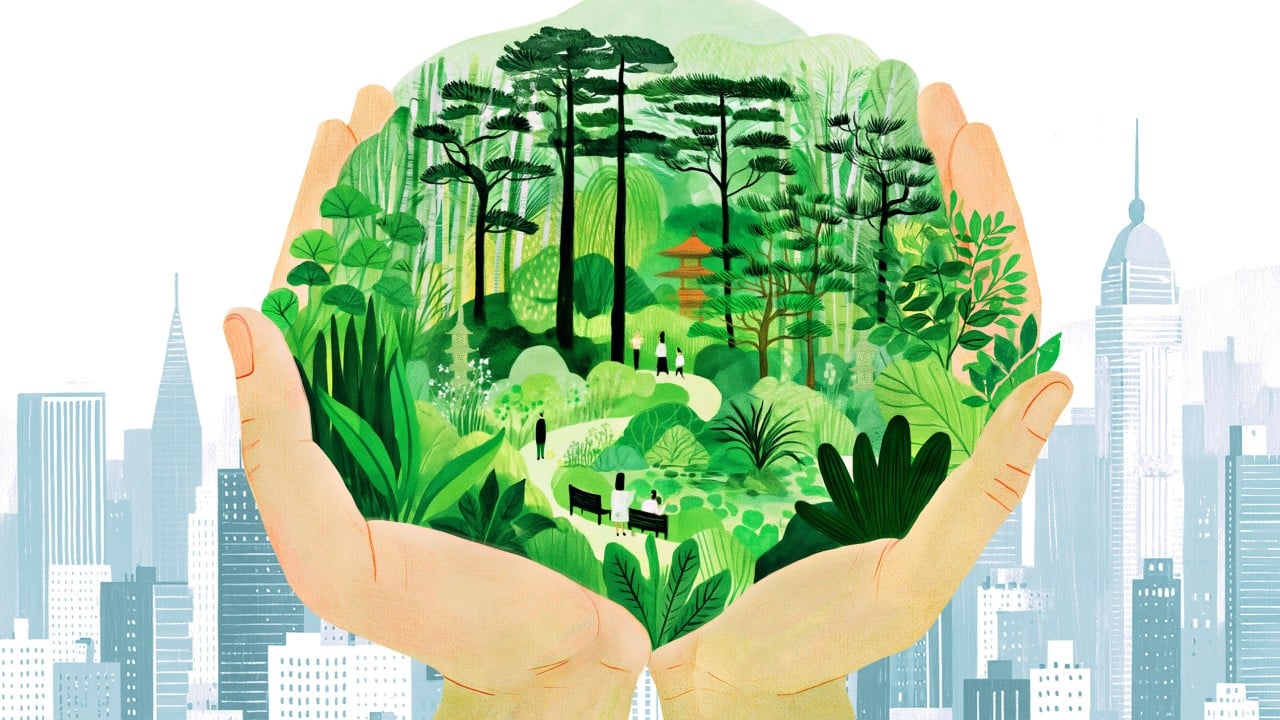
Concrete traps heat. Trees break it up. Yet city planners keep eyeing urban parks as convenient real estate whenever a new transit line or commercial expansion needs cheap land. It is a short-sighted trade-off that makes our urban centers dangerously hot.
When you walk through a dense metropolitan area during a heatwave, the asphalt feels like an open oven. Buildings absorb solar radiation all day and radiate it back out at night. Urban parks are not just nice places to walk a dog or drink morning coffee. They are literal cooling infrastructure.
The Real Cost of Losing Green Spaces
Municipal leaders often look at a green patch and see wasted economic potential. They see square footage that could host housing blocks, parking lots, or commercial hubs. This perspective ignores the physics of the urban heat island effect. Dark surfaces absorb up to ninety percent of sunlight, while vegetation cools the air through evapotranspiration.
When cities carve away pieces of their parks for public infrastructure, they chip away at their own thermal defenses. Take Bengaluru as a sharp example. Citizens recently took to historic grounds like Lalbagh Botanical Garden and Cubbon Park to protest laws allowing parts of protected parkland to be carved out for development. People are waking up to the threat, but city halls move too slowly.
Trade a park for concrete, and you get immediate tax revenue paired with long-term public health crises. Heat-related illnesses spike. Energy grids strain under the weight of relentless air conditioning use. Lower-income neighborhoods suffer the most because they usually lack private yards or adequate tree cover.
Why Planners Keep Making the Same Mistake
The logic driving these decisions boils down to immediate budgetary pressure. Building infrastructure on raw urban land requires buying expensive private property or tearing down existing commercial structures. Public parkland is already owned by the city. It sits there, looking vacant on a zoning map, free for the taking.
This is an administrative trap. Treating parks as land banks rather than vital ecological buffers is municipal vandalism. Once concrete replaces soil, reversing the damage costs millions. You cannot easily un-pave a multi-acre transit hub once it goes up.
How to Protect Our Urban Canopies
We need a hard shift in how municipal governments view green zones. Parks must be classified with the same legal permanence as historical monuments or water reservoirs.
- Enforce strict zoning firewalls: Make parkland untouchable by law, requiring a supermajority vote or national referendum to rezone even a single square meter.
- Invert the penalty structure: If a city council insists on paving over green space, mandate a tenfold offset requirement within the immediate neighborhood, not in some distant outer suburb.
- Track thermal performance: Require environmental impact assessments that measure local microclimate temperatures before any structural project gets a green light near a park.
Cities do not run out of space because of parks. They run out of space because of poor density management, inefficient parking mandates, and obsolete zoning laws. Sacrificing your urban park for a quick infrastructure fix is like selling your home furniture to buy firewood. It keeps you warm for an hour, and then you freeze.