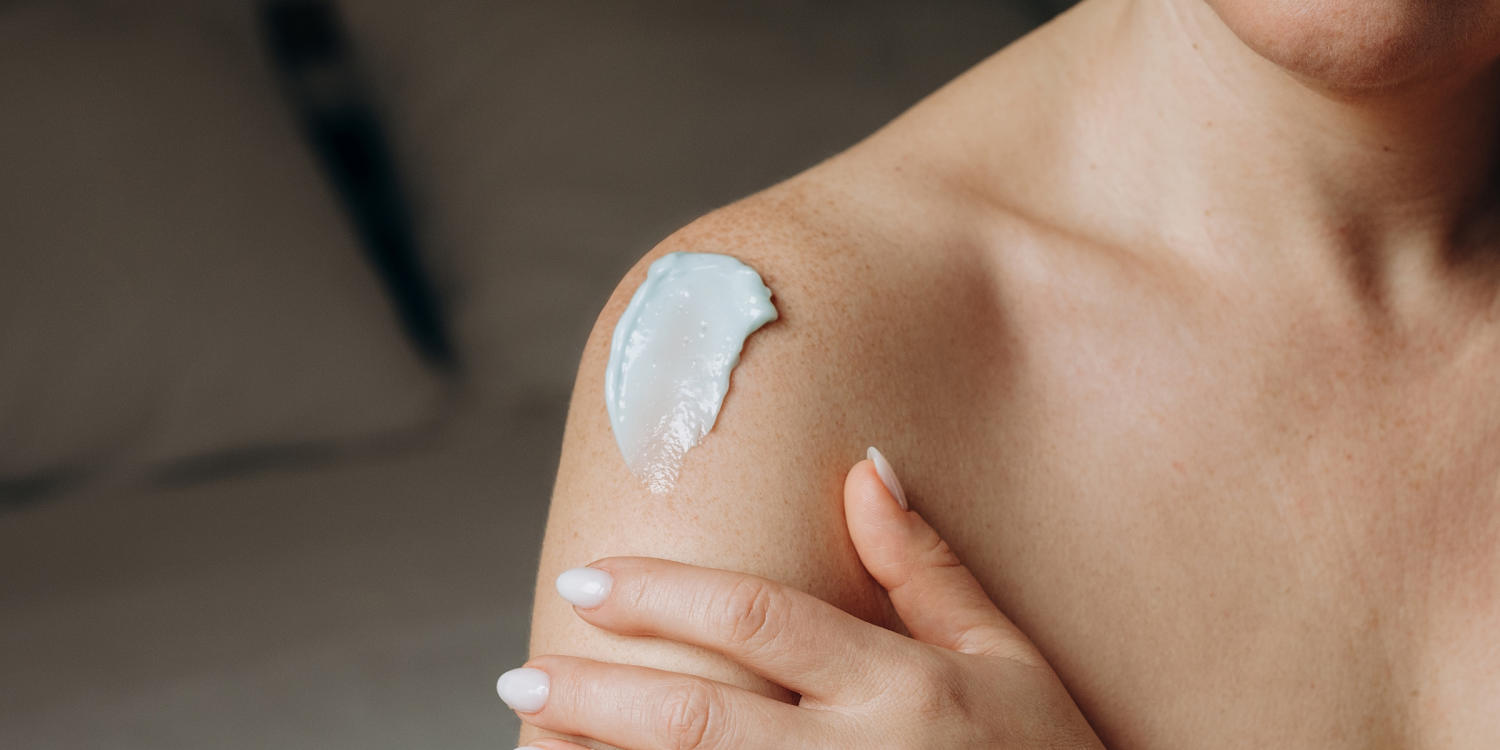
Winter doesn't actually ruin your skin. Your lack of a proper body lotion strategy ruins your skin. Every single year, the temperature drops by a few degrees and people panic-buy whatever random scented moisturizer sits at the front of the pharmacy aisle. Then they wonder why their shins still look like cracked desert floorboards by November.
If you want actual hydration that lasts past noon, you have to look past the marketing hype and understand the actual chemistry of how your skin holds onto water.
Why Most Body Lotions Fail You
Most cheap body lotions are basically scented water packaged in high-margin plastic bottles. They feel nice for about five minutes, evaporate into thin air, and leave you reaching for the pump again before lunch.
Your skin barrier is a brick wall. Skin cells are the bricks, and lipids are the mortar holding everything together. When cold weather hits or indoor heating goes into overdrive, that mortar cracks. Water escapes. Irritants get in.
Slathering a thin, watery lotion over a broken skin barrier does nothing. You need products that combine three distinct types of ingredients: humectants to pull moisture in, emollients to smooth things out, and occlusives to trap everything where it belongs.
The Three Ingredients That Actually Matter
If you want a body lotion that transforms dry skin, check the ingredient label for these specific compounds before you hand over your credit card.
- Humectants: Ingredients like glycerin and hyaluronic acid grab water molecules from the air and pull them into your outer skin layer.
- Emollients: Ceramides, shea butter, and various plant oils fill in the microscopic gaps between dry skin cells, softening rough textures.
- Occlusives: Petrolatum and heavier oils create a physical seal over your skin so that hydration cannot evaporate.
Without all three working together, you're just wasting your money.
Lotion Versus Cream Versus Ointment
Texture matters far more than branding. A lightweight pump lotion works great in July when the humidity sits at eighty percent, but it's entirely useless in January.
Thicker creams packaged in tubs—like the classic CeraVe Moisturizing Cream or La Roche-Posay Lipikar AP+M—contain less water and more repairing lipids. They take an extra ten seconds to rub in, but they actually fix the underlying damage.
If your skin is actively cracking or bleeding from severe dryness, ditch lotions entirely. Switch to an ointment heavy in petrolatum right after you step out of the shower while your skin is still damp.
How to Apply Body Lotion Properly
Timing is everything. Most people dry off completely with a towel until their skin feels tight, wait an hour, and then apply lotion. That is completely backwards.
Apply your body lotion within three minutes of stepping out of the shower. Your skin is still damp, which means the humectants in your moisturizer have actual water molecules to grab and lock into your epidermis. If you wait until your skin is bone dry, you trap nothing.
Stop ignoring your body skin just because it hides under layers of clothing for half the year. Pick a fragrance-free formula with ceramides and glycerin, apply it immediately after showering, and watch how quickly your skin stops itching.


