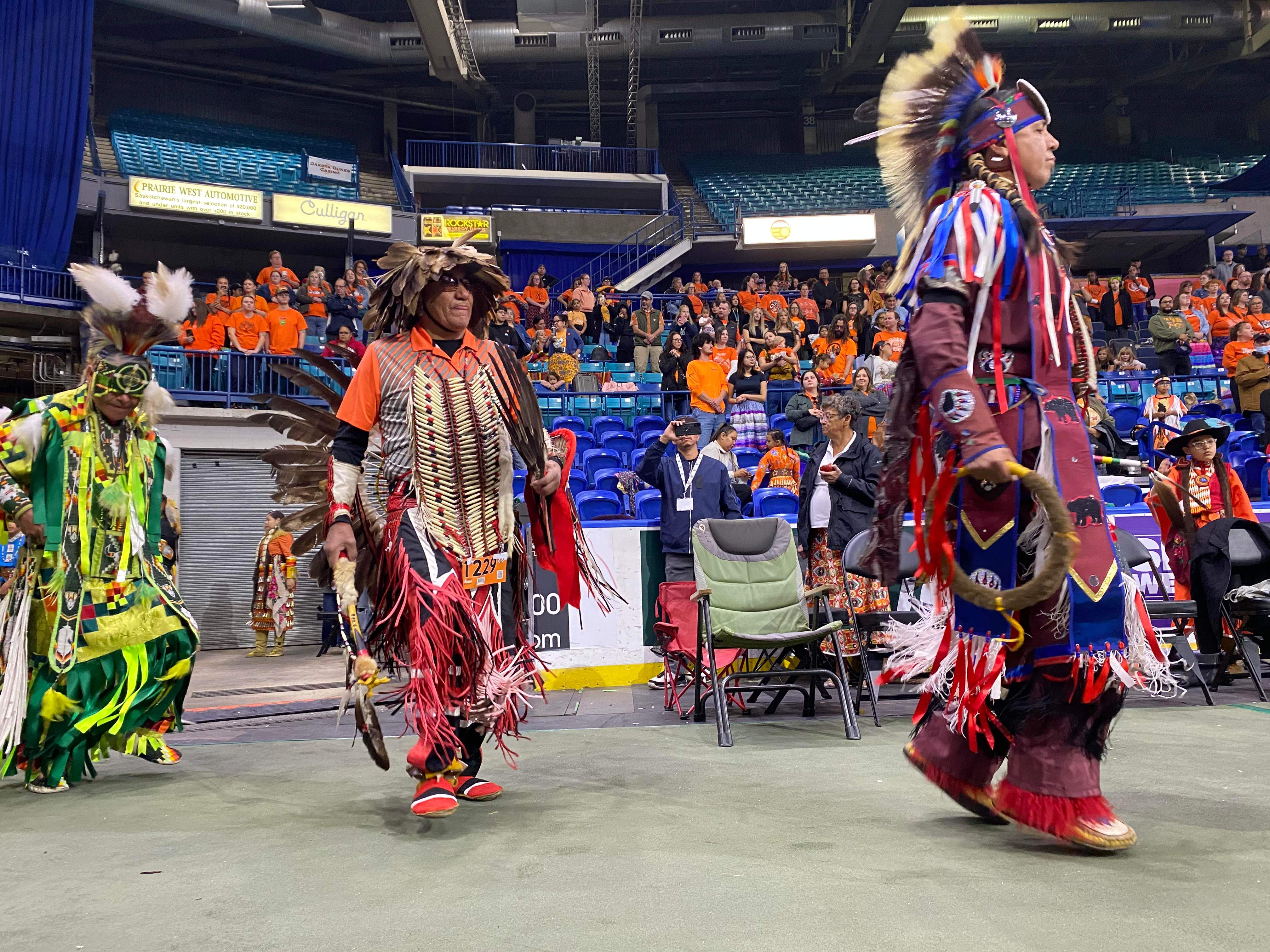
Orange shirts filled the SaskTel Centre to capacity. Hundreds gathered not for a performative gesture, but to reclaim what residential schools tried to erase. The Saskatoon Tribal Council held its fifth annual Truth and Reconciliation Powwow on September 30, bringing together survivors, drummers, dancers, and allies for a day anchored in survival and community resilience.
If you think reconciliation begins and ends with wearing an orange shirt once a year, you’re missing the entire point.
The Weight of History and the Power of the Drum
September 30 marks the National Day for Truth and Reconciliation across Canada. It's a federal statutory holiday born from the Truth and Reconciliation Commission's 2015 report. But for survivors like Irene Nippi, the day is deeply personal. Sent to a residential school at just six years old, Nippi endured systematic abuse designed to strip away her language, culture, and sense of self.
At the Saskatoon powwow, the atmosphere shifts from solemn reflection to collective joy when the drum beats start. Travis Toto, a drummer with the Eagle Boys Singers from Whitefish River First Nation, put it bluntly: people come here for healing. Being around the drum circle isn't just about preserving tradition. It's an act of defiance against a colonial system that tried to silence Indigenous voices forever.
When the grand entry begins, the emotional weight fills the arena. Attendees weep, kids watch in awe, and families connect over shared resilience. It's loud, vibrant, and unapologetically Indigenous.
Why Real Progress is Stalled
Events like the Saskatoon powwow create vital spaces for community healing, but they also highlight a glaring uncomfortable truth. Real systemic change moves at a glacial pace.
Look at the data. Out of the 94 Calls to Action put forward by the Truth and Reconciliation Commission, only 14 have been completed over the past eleven years, according to tracking by Indigenous Watchdog. Dozens more remain stalled or untouched.
Saskatoon Tribal Chief Mark Arcand didn't sugarcoat the situation during the event. Accountability is missing. Leaders love to show up for photo-ops in orange shirts, but legislative action lags far behind the rhetoric. True reconciliation requires institutional restructuring, land back initiatives, and economic justice, not just annual acknowledgments.
Moving Past Performative Gestures
Change doesn't happen because politicians issue statements on September 30. It happens when everyday citizens educate themselves, confront systemic biases, and demand accountability from local and federal governments.
Events in Saskatoon prove that community-led healing works. People want connection. They want shared understanding. But until federal and provincial bodies step up to clear the backlog of unfulfilled calls to action, the burden of reconciliation continues to rest heavily on the shoulders of the very communities that suffered the most.
Stop treating reconciliation as a checklist item. Support Indigenous-led businesses, read the actual TRC reports, and push your local leaders to stop stalling on structural reform. Real work starts the day after the orange shirts are put away.