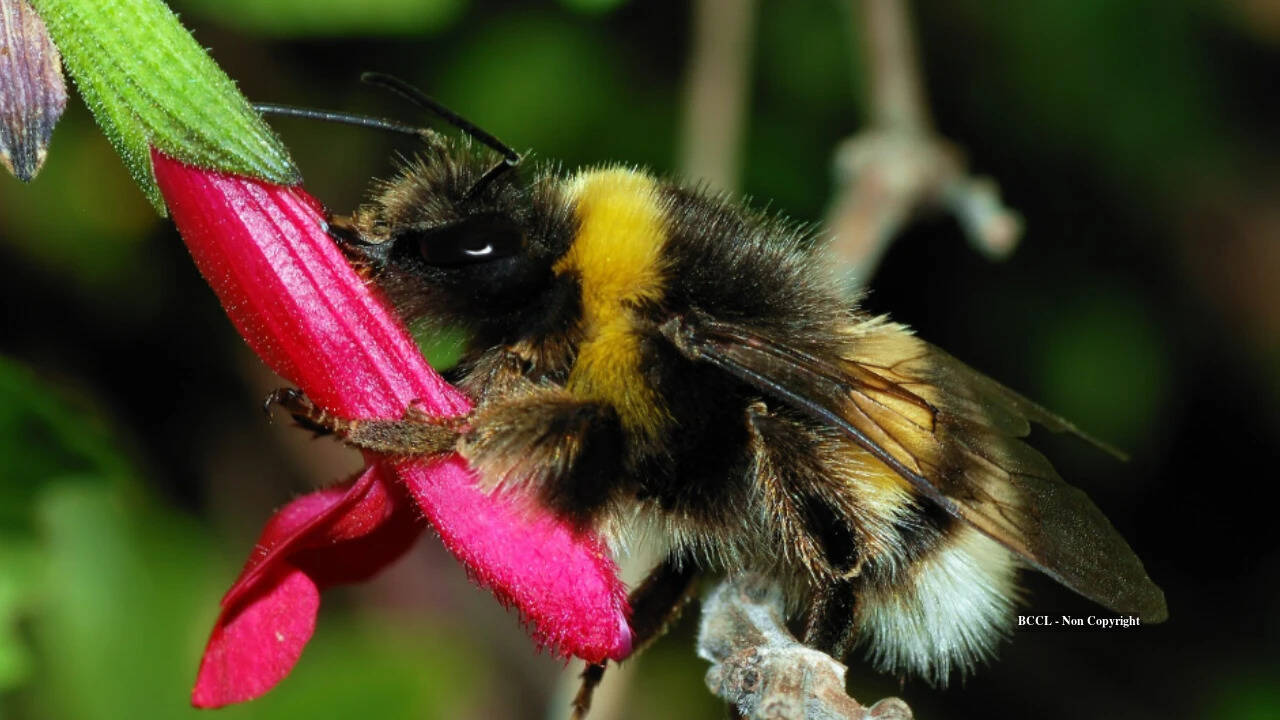
Writing books is hard enough, but managing a commercial apiary while doing it takes a different kind of grit. Before Ruth Suckow became a literary fixture in American letters, she spent her days tending hives and running the Orchard Apiary in Earlville, Iowa. That gritty, hands-on connection to everyday labor grounded her fiction. When her short story collection Iowa Interiors dropped in 1926, it didn't just put her on the map—it gave a sharp, unvarnished voice to the Midwest.
A full century later, finding a physical copy of that 283-page book has become an annoying treasure hunt for book collectors. That scarcity is finally ending. Final Thursday Press, based right out of Cedar Falls, is bringing back a special centennial edition of Iowa Interiors to rescue the book from obscurity. If you care about regional American literature, this revival is long overdue.
The Story Behind the Beekeeping Author
Most biographical sketches gloss over Suckow's time as a beekeeper, but it shaped her entire writing worldview. Managing hives means paying attention to small details, enduring stings, and understanding complex systems without romanticizing them. She brought that exact observational discipline to her writing desk.
Before Iowa Interiors cemented her national reputation with publisher Alfred A. Knopf, Suckow had already published her debut novel, Country People, in 1924, followed quickly by The Odyssey of a Nice Girl in 1925. Yet, it was her short stories that captured the quiet friction of ordinary lives. Pieces like “A Start in Life,” “A Homecoming,” and “Renters” refused to turn rural life into pastoral fluff. Instead, she wrote about economic strain, family friction, and the subtle claustrophobia of small-town communities.
Why Iowa Interiors Disappeared and How It Returns
Books fall out of print for boring business reasons, but regional literature takes a harder hit when major publishers chase national trends. Over decades, copies of the original 1926 printing became scarce. Groups like the Ruth Suckow Memorial Association kept her memory alive by pushing texts online, but physical availability remained a massive roadblock for new readers.
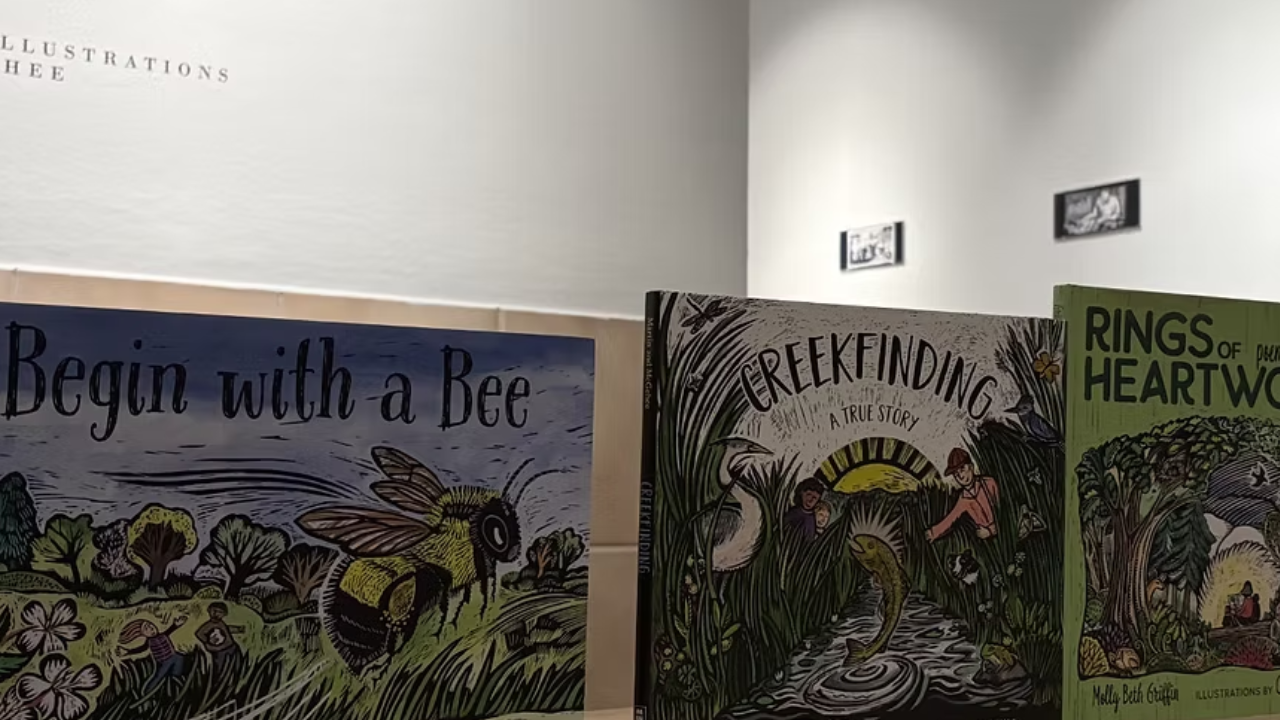
Editors Julie Husband and Jim O'Loughlin stepped in to fix that problem. Their new centennial edition brings the text back into circulation with a fresh introduction that puts Suckow's work into proper historical context. More than just a reprint, the new volume features fourteen brand-new scratchboard illustrations by Iowa artist Claudia McGehee, with one custom artwork created for every single story in the collection.
The Art Exhibition Matching the Book Revival
If you find yourself near Cedar Falls, you don't just have to read the new book; you can see its visual companion in person. The Hearst Center for the Arts is hosting a dedicated exhibition showcasing McGehee’s original scratchboard illustrations. Running from September 10 through December 6, the display lets visitors examine the stark lines and intricate details that match Suckow's prose style.
Scratchboard art requires precision and patience—one wrong scratch ruins the piece. That medium mirrors the careful, deliberate pacing of Suckow’s storytelling. Seeing the art side-by-side with the newly revived text gives literary fans an immersive way to experience a century-old classic.
What Modern Readers Miss About Suckow's Midwest
Reading Suckow today requires a slight shift in perspective. The Iowa she mapped out in the 1920s was defined by small-scale farming villages, tight economic constraints, and horse-drawn remnants meeting early industrial changes. It looks nothing like the massive, highly mechanized agricultural landscape dominating the state now.
Yet, the core human dilemmas in her stories haven't aged a bit. Her characters struggle to maintain their independence, patch together strained family dynamics, and figure out how to survive when their local economy shifts beneath their feet. Suckow didn't judge her characters for being ordinary. She gave them dignity by writing down their struggles accurately.
If you want to understand how regional American writing captures truth better than any broad national thesis, grab a copy of the new centennial edition, support independent university presses, and start reading stories that refuse to pander to modern sentimentality.