Paper credentials don't pay grocery bills. Wall Street agencies can hand out shiny investment-grade ratings all day long, but ordinary Filipinos feel a very different reality on the ground.
If you look strictly at sovereign credit assessments, you would think the country is an unstoppable financial titan. Rating watchers routinely praise its macroeconomic fundamentals, yet gross domestic product expansions consistently fail to match its neighbors in Southeast Asia. High living costs, sluggish state spending, and persistent institutional bottlenecks drag down potential.
Why does a nation with such celebrated financial health keep underperforming where it actually matters?
The Disconnect Between Wall Street Ratings and Manila Markets
Credit scorecards measure a government's capacity to service foreign debt and avoid default. They look at gross international reserves, fiscal deficits, and banking sector stability. By those metrics, the Philippines scores quite well.
Debt watchers like S&P Global Ratings have historically maintained a solid investment-grade status for Manila, dangling the elusive "A" rating goal just out of reach.
Praise from international lenders creates a dangerous illusion. It tells foreign investors that everything is running smoothly, masking localized structural decay.
The numbers tell an honest story. When public works stall and corruption scandals paralyze state disbursements, GDP growth takes a nosedive. Quarterly expansions have slumped significantly below historical averages during periods of political friction and delayed infrastructure rollouts.
Where Public Infrastructure Fails the Public
You cannot pave a path to prosperity if funds get trapped in bureaucratic tape or mired in scandal. Infrastructure is supposed to be the lifeblood of the archipelago's economy, cutting logistics costs and connecting disparate islands.
Instead, execution delays routinely plague major transport initiatives. Billions allocated for mass transit, road networks, and flood control programs frequently suffer from under-spending or contract controversies.
When the government holds back capital outlays, private sector confidence drops right along with it. Construction slows down. Cement trucks sit idle. Contractors wait months for approvals.
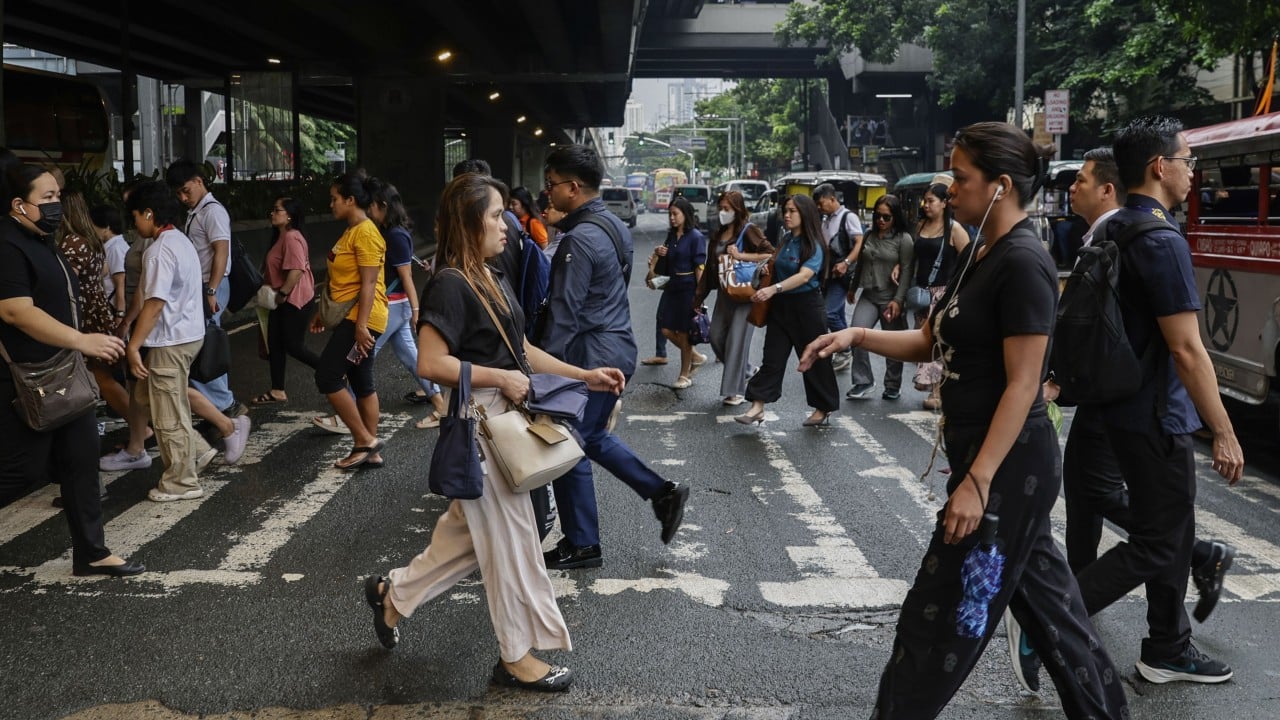
People living in urban centers bear the heaviest burden. Daily commuters waste hours trapped in Manila's gridlock because integrated transit networks remain perpetually unfinished. Public transport budgets look impressive on paper, but if bus lines, jeepney modernizations, and rail projects fail to coordinate, commuters see zero tangible improvement in their daily routines.
The Inflation Trap Choking Domestic Consumption
Consumption used to be the unbreakable engine of the domestic market. Remittances from overseas Filipino workers poured straight into retail spending, keeping shops busy and factories humming.
High inflation changed the game. When the costs of basic food items, electricity, and fuel skyrocket, families stop discretionary spending entirely. Every single peso goes toward keeping the lights on and putting rice on the table.
Domestic demand loses its punch. Retailers report sluggish sales volumes even during traditional peak shopping seasons.
Central bank rate adjustments try to cool price spikes, but monetary policy cannot fix supply chain bottlenecks or agricultural supply shocks. Importing basic commodities to plug local shortages creates a dangerous vulnerability to global market swings.
Escaping the Middle-Income Trap
Achieving true economic maturity requires more than steady remittance inflows and a booming outsourcing sector. The country needs high-value manufacturing, robust domestic supply chains, and genuine agricultural productivity.
Ambitions to transform into a global semiconductor powerhouse by 2030 sound fantastic in policy documents. Building specialized tech hubs requires reliable power grids, top-tier engineering talent, and frictionless logistics. Right now, high power rates and fragile infrastructure scare away heavy tech manufacturers looking for stability.
Fixing the growth disconnect demands ruthless accountability. Bureaucrats must disburse public funds efficiently without leaking capital into questionable projects. Energy markets need structural reforms to drive down electricity costs for small businesses and factories alike.
Stop treating credit rating upgrades as mission accomplished. Economic momentum requires clean execution, lower living costs, and functional infrastructure that serves citizens rather than statistical models. Fix the ground level, and the growth will finally follow.