Predicting where the global economy is heading feels a lot like checking the weather while staring at a hurricane from a tiny window. You see chaos, wind, and sudden shifts, but you miss the actual system driving the storm. Most headlines tell you that a recession is right around the corner, or that inflation will stay high forever, or that some new technology will completely upend trade tomorrow.
They are usually wrong. Or at least, they are missing the bigger picture.
If you want to understand the true state of the global economy right now, you have to look past the daily noise of stock market tickers and central bank announcements. You have to look at supply chains, shifting demographics, and the quiet ways countries are rewriting trade rules behind closed doors.
Let's break down what's actually happening and why the old playbooks no longer work.
The Death of Just-In-Time Globalization
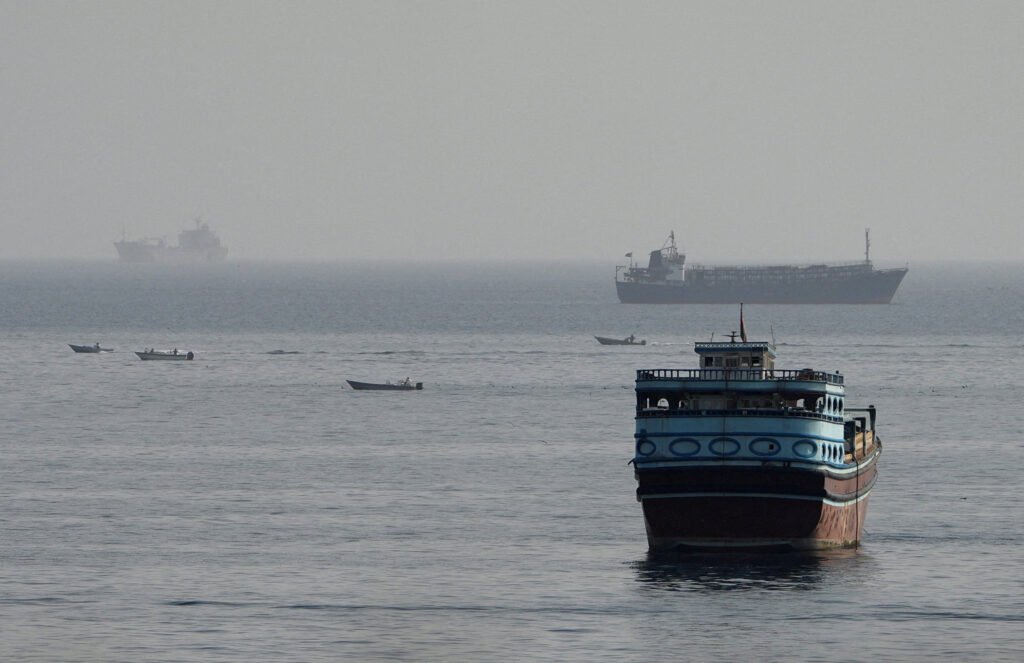
For decades, the global economy ran on a simple philosophy. Build things wherever it is cheapest, ship them across the ocean overnight, and keep zero inventory sitting in warehouses. It was efficient. It was profitable. It was also fragile.
When global shocks hit, that system cracked. Ports backed up, chips ran out, and prices spiked. Governments and CEOs panicked. Now, the pendulum has swung hard in the opposite direction.
We are living through a massive rewiring of international trade. Companies are moving factories closer to home or to friendlier nations. Economists call this nearshoring or friendshoring. I call it expensive.
What does this mean for you? Goods aren't going back to being dirt cheap. Redundancy costs money. When a company builds two factories instead of one just in case disaster strikes, you pay for that second factory at the checkout counter.
The Demographic Trap Nobody Wants to Talk About
Money and trade get all the press, but demographics run the world. And right now, the demographic math is terrifying for several major economies.
Birth rates are plunging across East Asia, Europe, and parts of the Americas. Populations are aging rapidly. China, long known as the factory of the world, is facing a shrinking workforce and a massive aging population that will require immense social spending.
You cannot grow an economy endlessly when you run out of working-age people.
Some nations are handling this by leaning heavily into automation and robotics. Others are struggling to figure out how to pay for pensions when there are fewer taxpayers funding the system. If you want to know which countries will thrive over the next decade, look at their immigration policies and birth rates, not just their GDP growth numbers.
Inflation is Not Just a Temporary Blip
Central bankers spent years telling everyone that inflation spikes were transitory. They were wrong.
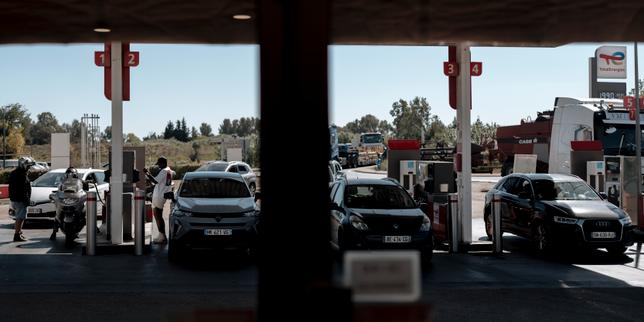
Inflation isn't just a number driven by interest rates or stimulus checks. It is tied to the structural changes happening across the globe. Transitioning energy systems costs trillions of dollars. Rebuilding supply chains costs trillions more. Paying higher wages because workers have more leverage in tight labor markets adds to the bill.
When you change how the world produces energy, goods, and labor all at the same time, prices go up. We are living in a higher-cost regime. Interest rates aren't going back to near-zero anytime soon because the underlying pressures keeping prices sticky are not going away.
How to Protect Your Money and Business
Sitting around and worrying about global trade wars or interest rate hikes does nothing for your bottom line. You need to adapt.
Here is what you should actually do right now:
- Build cash reserves: High-cost economic environments punish over-leveraged businesses and individuals. Keep more liquidity on hand than you think you need.
- Diversify your exposure: Don't tie your financial health to a single market, currency, or industry. Global fragmentation means localized shocks happen faster and hit harder.
- Invest in efficiency: If labor and materials are expensive, the only way to protect your margins is to do more with less. Automate mundane tasks and upgrade your tools.
The global economy isn't collapsing, but it is transforming. Stop waiting for things to go back to normal. This is the new normal. Plan accordingly.