Hollywood just changed. A federal judge formally approved the settlement between Paramount and a coalition of twelve states, clearing the final major roadblock for a massive multi-billion-dollar media buyout.
If you thought traditional studio consolidation peaked years ago, think again. The legal green light means the Paramount and Warner Bros. Discovery tie-up is barreling toward completion. But this deal didn't happen in a vacuum. It required navigating fierce antitrust scrutiny, a lawsuit from state attorneys general, and intense negotiations over what the future of cinema and television looks like.
The Settlement That Saved the Deal
Twelve states—led by California and New York—initially sued to block the megadeal. They argued the combination would crush competition and threaten industry jobs. Instead of fighting a protracted trial that could have dragged on for years, Paramount struck a five-year consent decree with the opposing states.
The terms of that agreement are specific. Paramount agreed to strict theatrical release quotas. They have to release a set number of films yearly, including independent projects and mid-budget features. They also agreed to keep cable network negotiations separate and establish an editorial independence board to oversee CBS News and CNN.
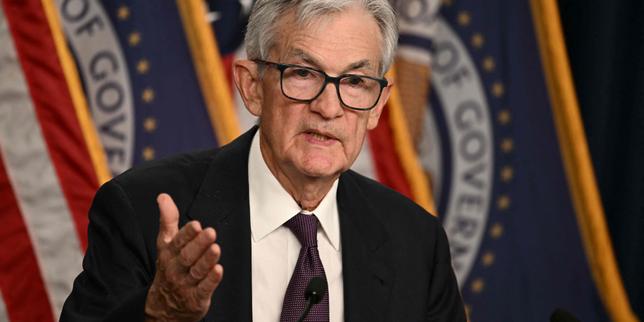
Critics blasted the settlement as weak. Some filed letters urging the judge to throw it out. U.S. District Judge Rita Martínez-Olguín ultimately disagreed, calling the agreement a reasonable factual and legal resolution. She noted that outside objections didn't rise to the level of actual legal violations.
What This Means for Moviegoers and Creators
You might wonder how this corporate chess match affects you on a Friday night. It changes everything about how content gets made, marketed, and distributed.
When two legacy studios merge into a single titan, the immediate pressure is cutting costs. That usually means layoffs, fewer greenlit projects, and a tighter grip on ticket pricing. However, the court-mandated concessions throw a wrench into standard corporate cost-cutting playbooks.
- Theatrical Quotas: Paramount is legally bound to pump out a minimum number of theatrical releases annually.
- Independent Film Support: The company has to funnel millions into acquiring independent projects and backing domestic production.
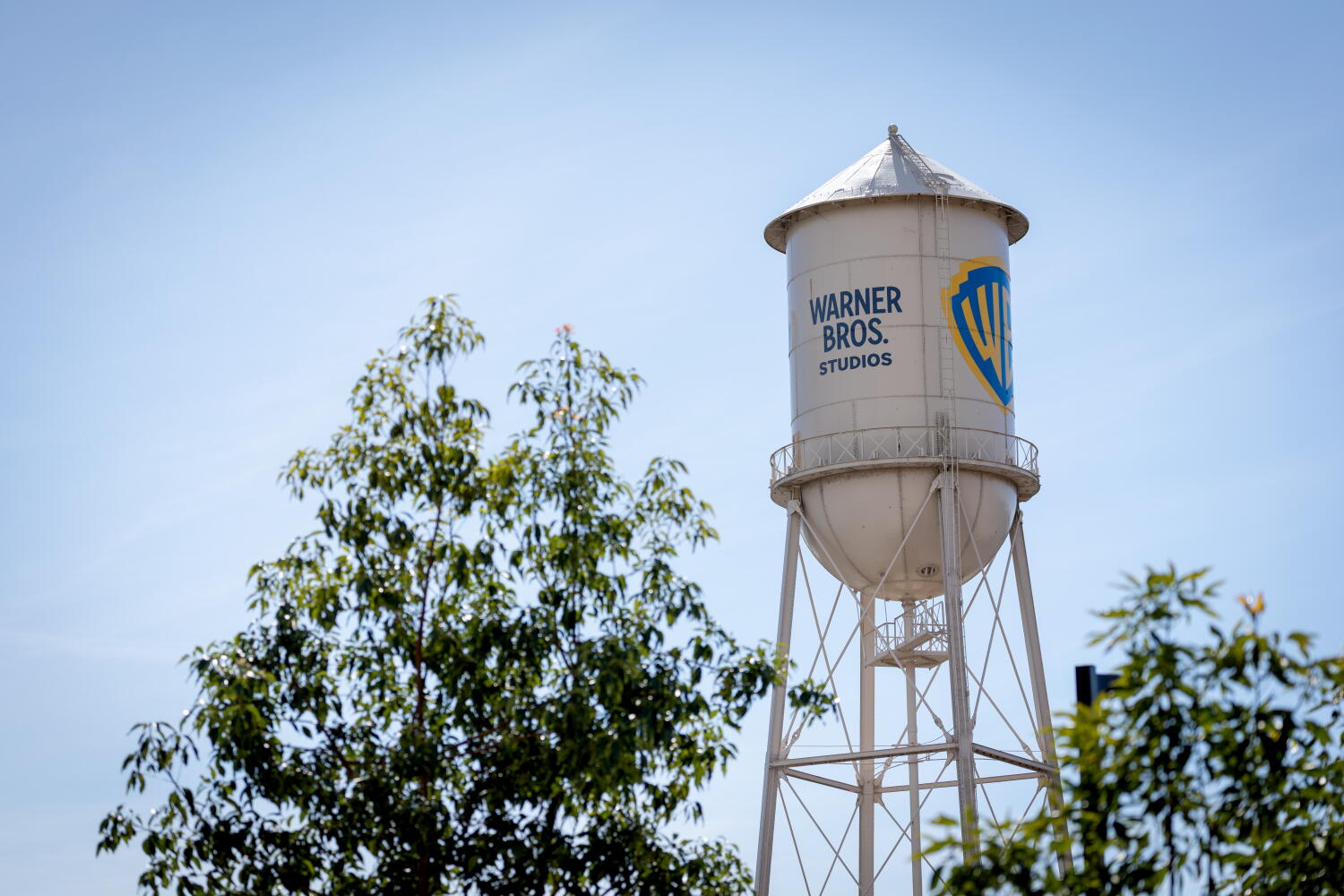
- Lot Preservation: Historic studio lots stay open, keeping physical production anchored in Southern California.
These aren't charitable donations. They are strict legal requirements tied to the merger's survival. If Paramount misses the targets, financial penalties kick in immediately.
The Road Ahead for Entertainment
Consolidation is the default survival strategy for traditional media companies battling streaming giants. Linear television is bleeding revenue. Streaming profitability remains a moving target. Pushing these two massive libraries and studio infrastructures together creates an absolute behemoth.
Yet, size brings vulnerability. Managing two massive workforces, maintaining distinct creative identities, and satisfying regulatory watchdogs simultaneously is no small feat. The real test begins the moment the ink dries.
Watch how execution plays out over the next twelve months. If the promised independent film investments and theatrical commitments hold up, the industry might just dodge the worst-case scenario. If not, expect lawmakers and union leaders back in court before the decade is out.
Take a close look at your entertainment portfolio subscription bills and upcoming theater schedules. The ripple effects of this ruling are just starting.