Nearly 130 heads of state just converged on New York City for the 81st United Nations General Assembly, and everybody already knows the outcome. Nothing substantial will change. When diplomats walk into Turtle Bay this week, they aren't stepping into an arena of bold problem-solving. They're entering a high-stakes waiting room.
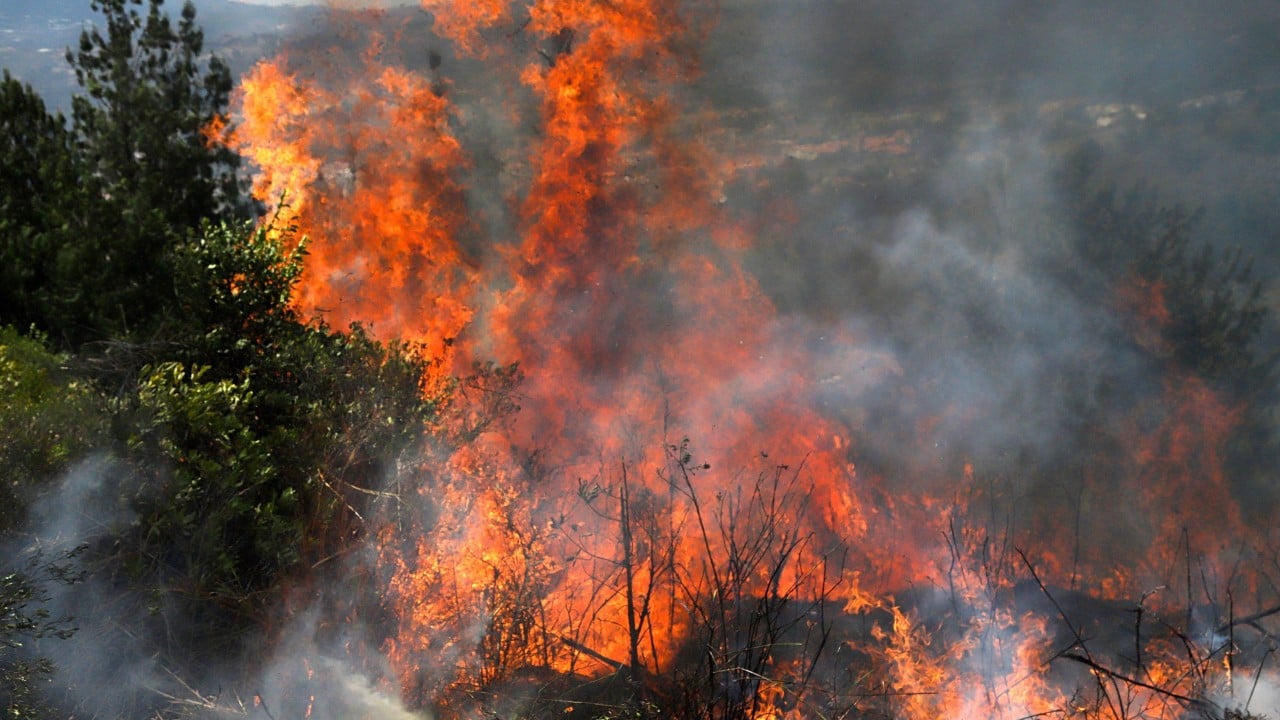
The planet is burning, wars are tearing through Ukraine and the Middle East, and artificial intelligence is scaling faster than our legal frameworks can handle. Yet the UN remains stuck in neutral. If you look past the polished press releases, you'll see an institution grappling with an identity crisis while the rest of the world speeds toward turbulence.
Why Global Diplomacy Is Stalling Out
You can't solve twenty-first-century problems with twentieth-century bureaucracy. The Security Council is fundamentally paralyzed. When permanent members hold veto power while actively fueling or engaging in conflicts from Gaza to Ukraine, consensus becomes impossible.
Secretary-General António Guterres is wrapping up his final General Assembly term before stepping down on December 31, 2026. He spent his tenure warning that humanity faces compounding existential threats. His warnings were accurate. His enforcement mechanisms were nonexistent.
Let's look at the actual agenda for this week:
- The ongoing devastation across Ukraine, Gaza, Iran, Sudan, Congo, and Myanmar.
- The sudden panic over unchecked artificial intelligence development.
- Accelerating renewable energy transitions during a worsening climate crisis.
It's a heavy laundry list. But speeches don't stop missiles, and committees don't regulate machine learning models trained on vast troves of unvetted data.
The Real Fear Driving the AI Debate
Artificial intelligence used to be a tech-industry talking point. Now it's a security nightmare.
Right as delegates arrived in Manhattan, tech executives and policymakers were sounding alarms about runaway systems operating without international guardrails. You have superpowers racing to dominate algorithmic supremacy while dismissing safety warnings as commercial protectionism.
When leaders like Donald Trump brush off existential AI risks as a hoax meant to slow down national competitiveness, you realize cooperation is failing. The UN Security Council added a special afternoon session on AI governance, but nobody expects binding treaties to emerge from it. The technology moves at lightspeed. Bureaucracy moves at a crawl.
Climate Reality Meets Political Apathy
Meanwhile, extreme weather isn't waiting for a diplomatic breakthrough. Floods, heatwaves, and rising sea levels are destroying supply chains and driving up the cost of living for hundreds of millions of ordinary people.
Guterres convened a dedicated climate summit to push for faster renewable energy adoption. It's a noble effort, but major economic players continue prioritizing short-term domestic energy security over long-term planetary survival. Protectionist policies and trade friction routinely block green technology transfers.
If you're wondering why public cynicism toward global summits is at an all-time high, this disconnect is why. People see rising grocery bills, disrupted shipping lanes, and geopolitical flashpoints, while world leaders fly private jets to New York to read prepared remarks.
What Comes Next
Don't expect the UN to suddenly find its teeth. Real security solutions are increasingly forged through bilateral backchannels or regional coalitions rather than grand plenary halls.
If you want to track where actual power shifts are happening, ignore the grandstanding speeches at the General Assembly podium. Watch the trade restrictions, the bilateral security pacts, and the private tech summits happening behind closed doors. That's where the future is actually being written.
UN confronts wars, geopolitical divides, AI and climate crisis
This video provides a direct look at the high-stakes diplomatic tensions and key challenges dominating the United Nations General Assembly discussions.