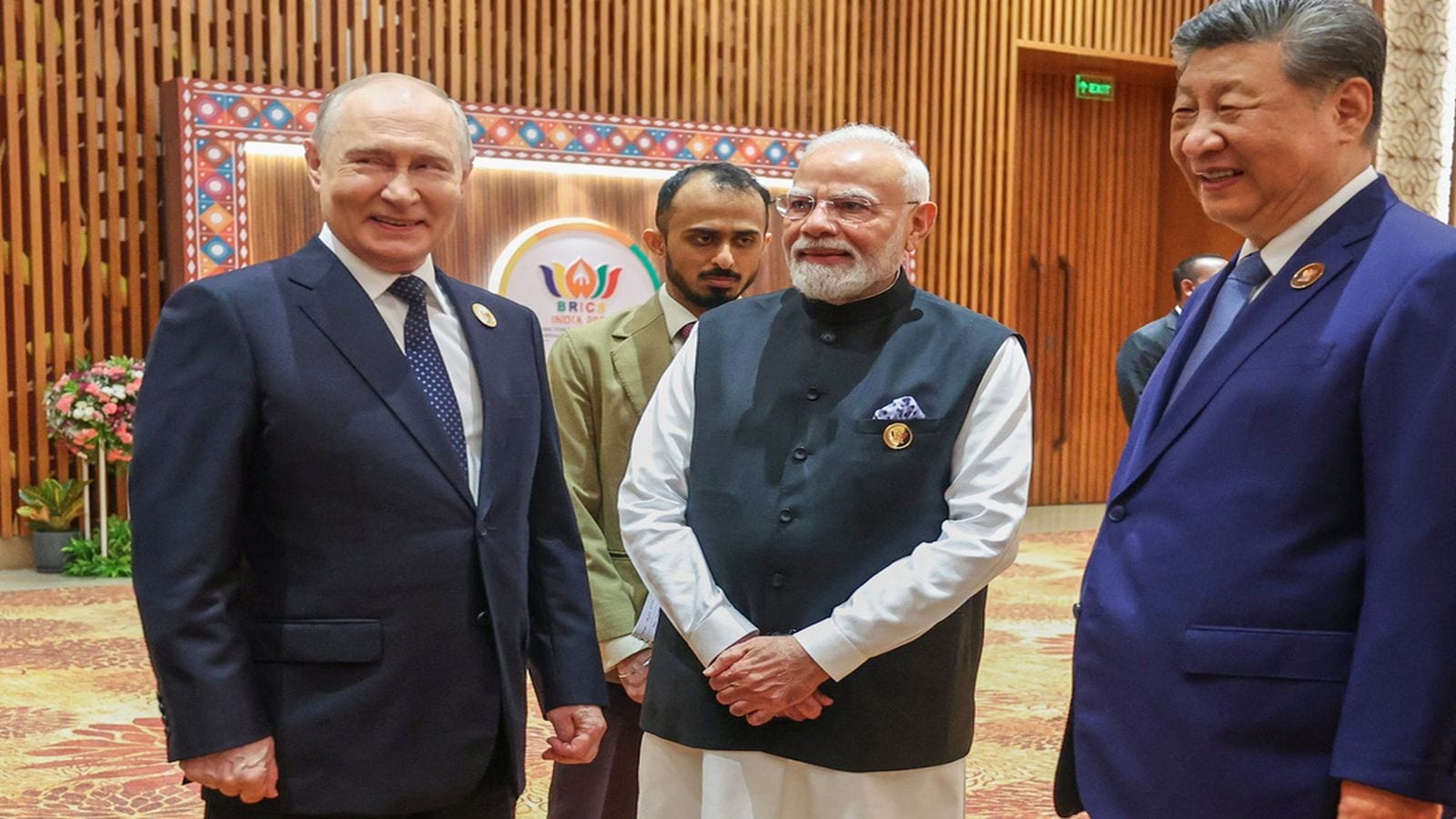
International summits often wrap up with empty handshakes and recycled statements that nobody remembers by Monday. But the 18th BRICS Summit in New Delhi shattered that mold. Leaders unanimously adopted a massive 140-point New Delhi Declaration that tackles thorny trade disputes, cross-border violence, and broken global financial systems head-on. If you want to understand how the global order is shifting away from Western dominance, you have to look at what happened behind closed doors in India.
The grouping represents roughly half the world's population, giving its policy positions serious weight. Instead of letting internal tensions derail the talks—like what happened at the foreign ministers' meeting earlier in the year—members locked down a consensus under India's chairship. They focused the summit around the theme of resilience, innovation, cooperation, and sustainability. Let's look at what actually matters in this document and why it shakes up international relations.
Zero Tolerance on Terrorism and the Pahalgam Stance
Security took center stage with an unsparing condemnation of terrorism. The declaration didn't pull any punches. Members pointed directly to the April 22, 2025, terrorist attack in Jammu and Kashmir's Pahalgam that left 26 people dead. By explicitly naming the atrocity, the bloc sent a sharp message about accountability.
The text calls out cross-border movements, terror financing networks, and safe havens without entertaining double standards. You hear plenty of political rhetoric about fighting terror, but demanding the early adoption of the UN Comprehensive Convention on International Terrorism adds actual teeth to the paperwork. The coalition insists that states bear the primary responsibility to shut down these networks while keeping counter-terrorism efforts aligned with international law.
Pushing Back Against Unilateral Tariffs and Trade Distortion
Trade policy is where things get fiercely competitive. The New Delhi Declaration takes direct aim at rising protectionism. Members expressed serious concern over unilateral tariff measures and non-tariff barriers that break World Trade Organization rules and distort supply chains.
Western economies love using environmental protection as a clever disguise for trade restrictions. BRICS called them out. The document explicitly opposes carbon border adjustment mechanisms that penalize emerging markets under the guise of green initiatives. Furthermore, the bloc demanded the immediate restoration of a fully functioning, two-tier binding WTO dispute settlement mechanism. The appeals body has been paralyzed for years due to blocked appointments, and developing economies are tired of playing a rigged game without a referee.
Reforming Global Financial Institutions and the Push for Equity
The current architecture of global finance is outdated. Bretton Woods institutions like the International Monetary Fund and the World Bank still operate on power dynamics from decades ago. The New Delhi Declaration demands immediate action on the 16th General Review of Quotas without any further delays.
Emerging markets want voting power and leadership representation that actually match their current economic footprint. China and Russia doubled down on supporting India and Brazil for permanent seats on a reformed UN Security Council. They want a multipolar system where the Global South isn't just an afterthought on a spreadsheet.
Navigating Geopolitical Conflicts and West Asia
Conflict zones test whether a massive coalition can actually stay unified. The declaration addresses ongoing polarization and the alarming spike in global military spending at the expense of development financing.
On West Asia, the bloc expressed deep alarm over continued violence in Gaza despite previous ceasefire agreements. They demanded unhindered humanitarian access, opposed the forced displacement of Palestinians, and threw their weight behind an independent Palestinian state based on 1967 borders.
Energy security also dominated the talks. Disruptions in supply chains and regional conflicts forced members to emphasize protecting critical infrastructure and maintaining diversified energy flows. Whether it's renewables, nuclear power, or traditional energy sources required by developing economies, keeping the taps open is non-negotiable.
Technology Governance and Digital Public Infrastructure
Future wars won't just be fought with tariffs or troops; they will be fought with algorithms. The summit adopted specific frameworks for the global governance of artificial intelligence to ensure safe and trustworthy deployment.
India's push for Digital Public Infrastructure also won broad backing. By promoting shared repositories and tech solutions, members are building alternative digital highways that bypass Western tech monopolies.
Stop treating these declarations as routine diplomatic paperwork. The New Delhi Declaration proves that an expanded 11-member coalition can coordinate financial, security, and trade strategies on a global scale. Watch how these policy shifts play out in upcoming WTO negotiations and UN reform debates over the next year.