Empty ballot boxes and silent youth tell a loud story. As Morocco heads toward the parliamentary showdown, young citizens are choosing the streets, social media feeds, or even dangerous border crossings over traditional voting booths. Exactly one year after the explosive emergence of the GenZ 212 movement, the disconnect between the ruling political class and a frustrated generation has never been more visible.
If you look closely at the numbers behind the election, the apathy makes complete sense. Out of roughly 15.8 million registered voters, only 4% belong to the 18-to-24 age bracket. Meanwhile, citizens aged 60 and older make up nearly 29% of the active electoral rolls. Parties tried to offer financial incentives to draw in candidates under 35, but changing candidate demographics doesn't fix a profound crisis of trust.
The Reality Behind the GenZ Discontent
You cannot understand modern Moroccan politics without looking at the economic pressure cooker young people live in. Official figures peg the overall unemployment rate around 13%, but structural joblessness hits the youngest demographic much harder. When basic survival, rising living costs, and limited career prospects dominate daily life, political party manifestos feel completely disconnected from reality.
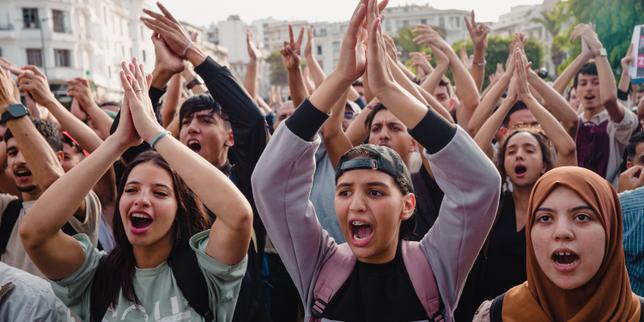
Think back to late 2025. Spontaneous protests erupted across Casablanca and other urban centers, driven by youth demanding real fixes for healthcare, education, and rampant corruption. That energy didn't translate into ballot interest. Instead, it exposed a deep chasm. Traditional parties speak a language that younger demographics view as obsolete or outright deceptive.
Digital Activism Versus Institutional Politics
Young Moroccans aren't politically dead. They are politically homeless.
They organize, debate, and mobilize online rather than through party youth wings. When thousands of youths migrated toward northern border towns like Fnideq to attempt crossings toward Ceuta, it acted as a grim physical symptom of a structural lack of domestic horizon. Analysts who label this generation as simply lazy or indifferent are missing the point entirely. The frustration comes from having high expectations met with administrative inertia.
[Registered Voters Snapshot]
- 18 to 24 years old: 4%
- 25 to 34 years old: 15%
- 60 years and older: 29%
Data from independent barometers shows that only a tiny fraction of young adults trust political parties or the head of government. When you feel ignored by institutions, boycotting the vote becomes the only megaphone left.
What Comes After the Count
Political campaigns largely ignored the core anxieties of the youth vote this season. Rallies focused on standard partisan talking points rather than addressing why a generation is packing bags or taking digital protest routes.
Fixing this rupture requires more than minor electoral tinkering or token youth quotas. Parties need to overhaul how they communicate and prove they can deliver tangible economic reforms. Until that happens, election nights will continue to highlight a parliament chosen by older generations while the country's actual future watches silently from the sidelines.
Youth vote in focus ahead of first parliamentary elections since Gen Z protests
This video provides a direct look at the youth participation crisis and the electoral stakes unfolding across Morocco.
http://googleusercontent.com/youtube_content/1