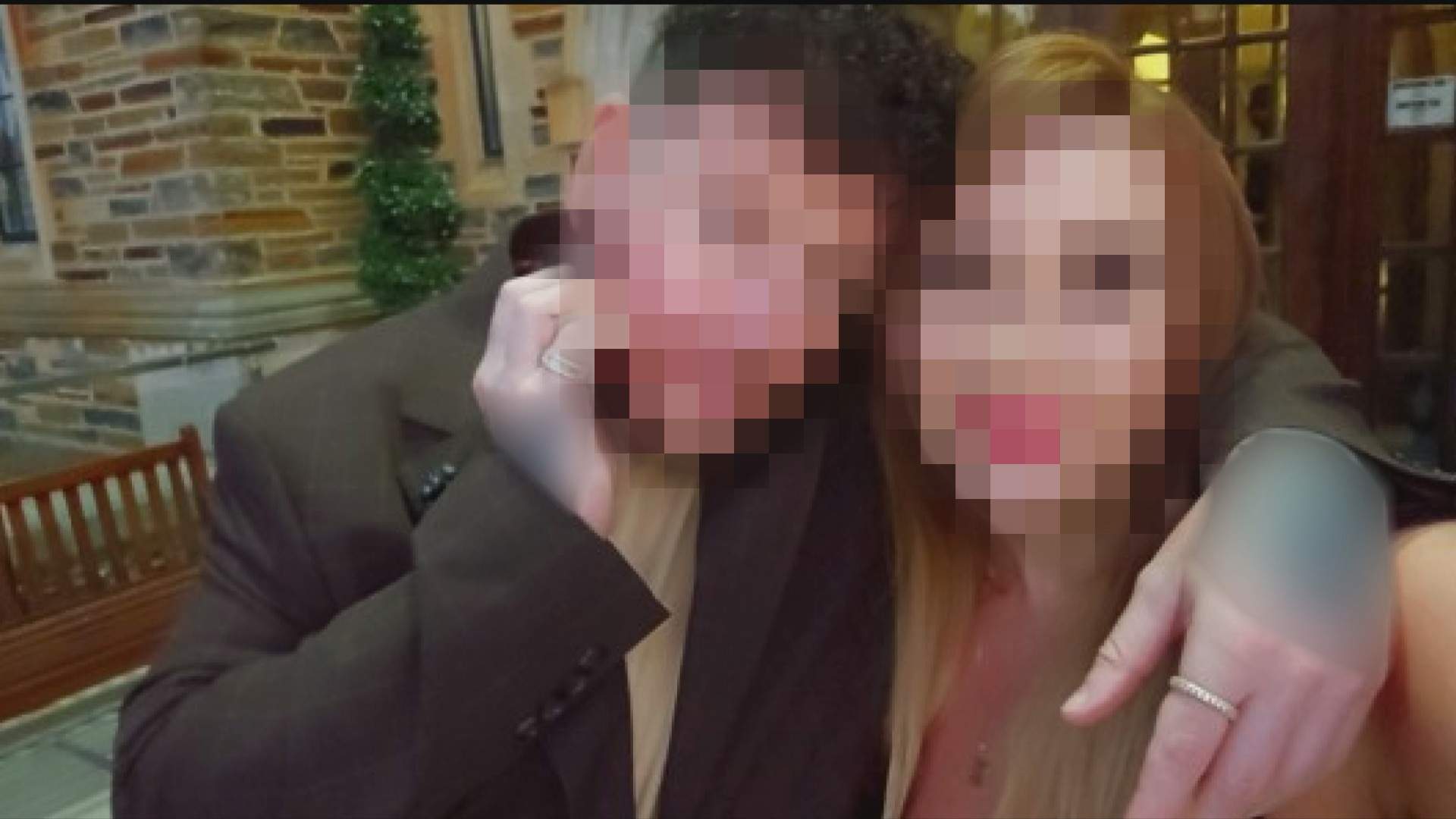
Dating apps promise love, but sometimes they deliver financial ruin. A Winnipeg woman recently found this out the hard way after an elaborate romance scam stripped her of thousands of dollars and left her dealing with an abandoned rental car. She is speaking out now because she wants other people to see the warning signs before it is too late.
The playbook used against her is terrifyingly common. Scammers don't rush things anymore. They spend weeks building an emotional bond, matching values, and pretending to share your exact outlook on life. When you think you've found a partner who shares your future goals, your guard drops completely.
The Illusion of Authenticity
Think about how standard online dating works. You swipe, you chat, and eventually, you meet. In this Winnipeg case, the scammer claimed to own a cybersecurity company and staged a physical meetup in Toronto. He flew her out, acted completely normal, and played the role of a protective, generous partner.
That is the part most people misunderstand. They assume online fraudsters are obvious keyboard operators sitting in a dark room overseas with broken English. Reality is much worse. Modern perpetrators invest real time, physical presence, and theatrical effort into the deception. They want total psychological control.
Once trust is established, the crisis hits. In this instance, the excuse was a broken gym locker and a stolen wallet in Edmonton. Photos were sent as proof. Because the trust was already built, the victim didn't see the red flag. She handed over her credit card details for a car rental.
The Shift From Romance to Extortion
The moment the trap snaps shut, the personality of the scammer changes overnight. Once the victim returns home, the excuses multiply. Flights get delayed. Rental agreements need extensions. Money transfers are requested under the guise of an emergency.
When the Winnipeg victim pushed back and insisted the rental vehicle had to be returned, the mask slipped. The charm vanished, replaced by aggression and volatility. Even after the car was tracked via GPS and found abandoned in a parking lot, the fraudster kept up the charade to squeeze out more cash.
The financial damage in this specific case includes nearly $2,700 in direct cash transfers, a $6,000 car rental bill, and an attempted $15,000 credit card charge that was luckily reversed. But the monetary loss is only half the damage. The psychological toll of realizing someone manipulated your deepest emotions leaves scars that last much longer than bank statements.
What the Numbers Tell Us
Canadian authorities see this happening on a massive scale. According to the Canadian Anti-Fraud Centre, romance and relationship fraud brings in staggering losses every year. Millions of dollars vanish into these schemes across the country. Fraudsters target dating apps, social media platforms, and online gaming chatrooms because they provide a direct, intimate line to potential targets.
Jeff Horncastle from the Canadian Anti-Fraud Centre points out that these operations rely entirely on patience. They wait months before asking for a single cent. That patience is what makes them so devastating.
How to Protect Yourself Today
You have to change how you approach digital dating and online connections. If someone you've only known online starts asking for money, gift cards, or credit card access, the relationship is over. No exceptions.
- Never share financial details, account logins, or credit cards with someone you haven't known in person for a long time outside of digital spaces.
- Watch out for elaborate excuses involving lost wallets, frozen bank accounts, or sudden travel emergencies.
- Reverse-image search profile pictures and verify details independently.
- Trust your gut if the communication style shifts rapidly from affectionate to aggressive.
If you suspect you are being targeted, cut off all contact immediately. Do not try to reason with them or get your money back on your own terms. Report the incident directly to your bank, local police, and the Canadian Anti-Fraud Centre right away.