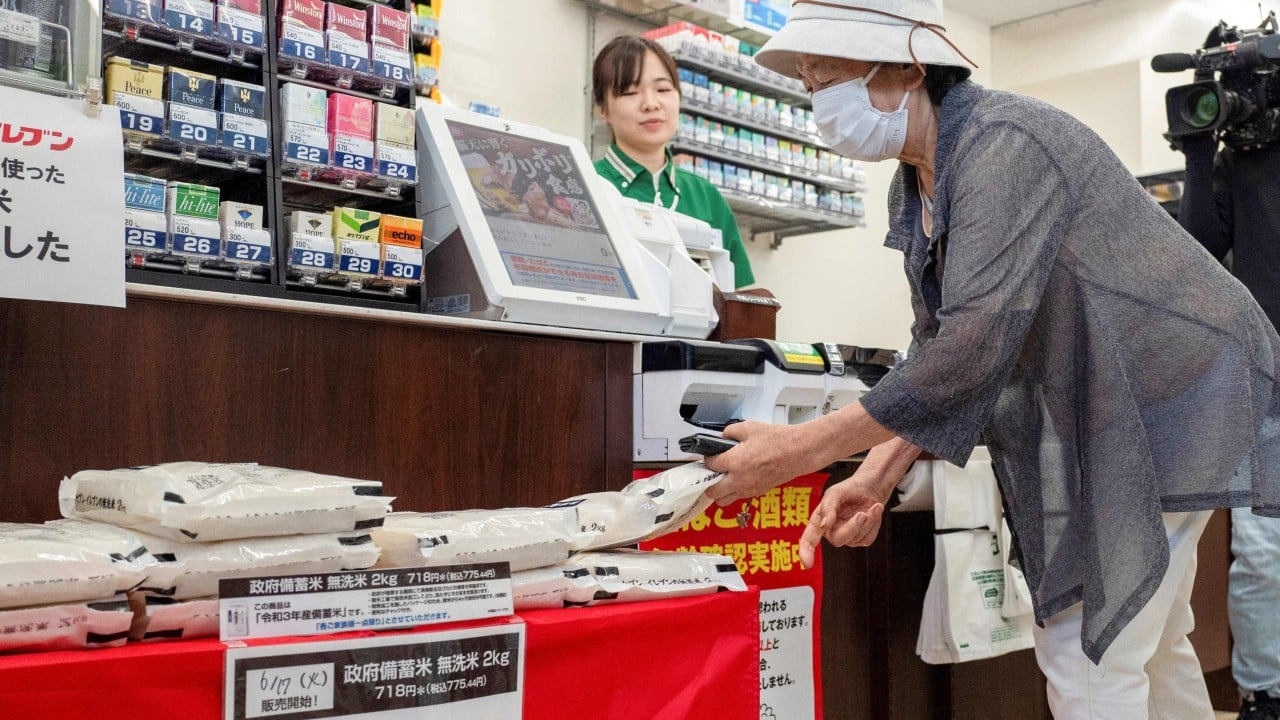
Japan's food supply chain just pulled off a dizzying magic trick. One minute, grocery shelves sat completely empty, and panic buying forced frantic households to ration bowls. The next minute, a sudden glut flooded the market, sending prices tumbling down.
If you walk into a Tokyo supermarket right now, you will notice cheap bags stacking up by the entrance. Consumers are breathing a massive sigh of relief. But out in the rural prefectures, the mood is bleak. Growers are staring at falling crop values, skyrocketing equipment costs, and an aging workforce that refuses to hand down failing fields.
How did a severe national shortage turn into an overwhelming surplus in less than two years? It comes down to a fragile agricultural system caught between climate shocks, government regulations, and shifting demographics.
The Anatomy of a Panic
To understand today's glut, you have to look back at the chaos of 2023 and 2024. Extreme heat and unrelenting drought battered paddies across the country. Yields plummeted. At the same time, tourism rebounded to record highs, bringing millions of hungry travelers into sushi bars, izakayas, and ramen shops across the nation.
Demand spiked while supply cratered. Panic buying emptied grocery aisles. Prices doubled in some regions, climbing to roughly 4,300 yen or more for a standard bag. Families felt the pinch instantly. Political fallout followed swiftly, ending with a government minister's resignation after authorities failed to calm public anger.
Under immense pressure, policymakers took an unprecedented step. For the first time since the national reserve system was established in 1995, Tokyo released emergency grain stockpiles meant strictly for natural disasters.
The Overcorrection Trap
When prices skyrocket, farmers naturally try to plant as much as possible to cash in. That is standard economics. But Japan's agricultural sector does not operate on pure free-market rules.
Strict production guidelines, heavy protectionism, and import restrictions have shielded domestic producers for decades. These policies are designed to maintain food security, but they also create a rigid market. When growers responded to the crisis by planting aggressively and pushing every available acre into production, the pendulum swung too hard.
Good weather stepped in to finish the job. Favorable conditions yielded a massive harvest. Suddenly, the shortage vanished, replaced by an acute surplus that crashed local prices down to around 3,300 yen per five kilograms.
Consumers are cheering. Shoppers who spent months hunting for their daily staple can finally buy without stress. But for small-scale cultivators, low prices spell disaster.
The Aging Crisis Behind the Fields
The financial squeeze hits a sector that is already on life support. According to the Ministry of Agriculture, Forestry and Fisheries, the number of farmers in Japan plunged from 2.4 million in the year 2000 to fewer than one million.
Demographics explain the rest. Roughly 70 percent of primary farmers are over the age of 65. Many operate independently without corporate backing. When an older farmer looks at rising fertilizer costs, expensive machinery repairs, and falling crop prices, the math simply does not work.
Take growers like Asano, a former trucker who took over his wife's family fields and expanded into abandoned plots nearby. Many peers in his position are throwing in the towel. Their children have stable corporate careers in the cities and want nothing to do with backbreaking labor that yields thin margins. When older cultivators retire, those paddies simply turn to brush.
What Comes Next for the Staple Crop
The government is trying to clean up the mess. Officials recently announced plans to purchase hundreds of thousands of tonnes of grain to replenish depleted emergency reserves. Yet buying up excess stock is a band-aid, not a cure.
Opaque distribution networks make it difficult for authorities to forecast demand accurately or respond before prices swing violently. Until the country reforms its rigid supply chains and addresses the looming generational void in the countryside, these wild swings will keep happening.
The market has flipped from empty shelves to stuffed warehouses. But the human cost of that volatility proves that stability is still out of reach.