You walk into a Japanese convenience store looking for a normal snack and find a pickle-flavored lemon tart staring back at you. Who thought of this? Not a rogue pastry chef after a long night out. An algorithm did.
Major retail chains across Japan are handing parts of their product development over to artificial intelligence. Instead of playing it safe with standard egg sandwiches and predictable melon bread, brands like Lawson and FamilyMart are turning to machine logic to dream up wild novelty sweets.
It sounds like a gimmick. But it points to a massive shift in how retail giants plan to capture consumer attention in a crowded market.
The Logic Behind the Madness
Why would a major food brand launch a pickle-flavored lemon tart? The rationale comes down to breaking consumer fatigue.
Shoppers in Tokyo and surrounding regions have seen every variation of strawberry shortcake and chocolate pastry imaginable. People want novelty. They want a reason to snap a photo and post it online.
Lawson took a brute-force approach to this problem. They used AI for pure brainstorming, completely bypassing historical sales figures and traditional market data. They wanted ideas entirely unconstrained by past trends or corporate safety nets. The result is a lineup built around a specific internal theme: "What on earth is this? But it's delicious."
Along with the pickle lemon tart, Lawson greenlit a strange bread roll packed with red bean paste, margarine, and yogurt cream. These items are hitting Tokyo shelves this month, forcing consumers to decide if machine-generated culinary chaos actually tastes good.
Two Different Paths to Machine-Made Snacks
Not all convenience store chains are using the technology the same way. While Lawson used AI to tear up the rulebook, rival FamilyMart took a more measured route.
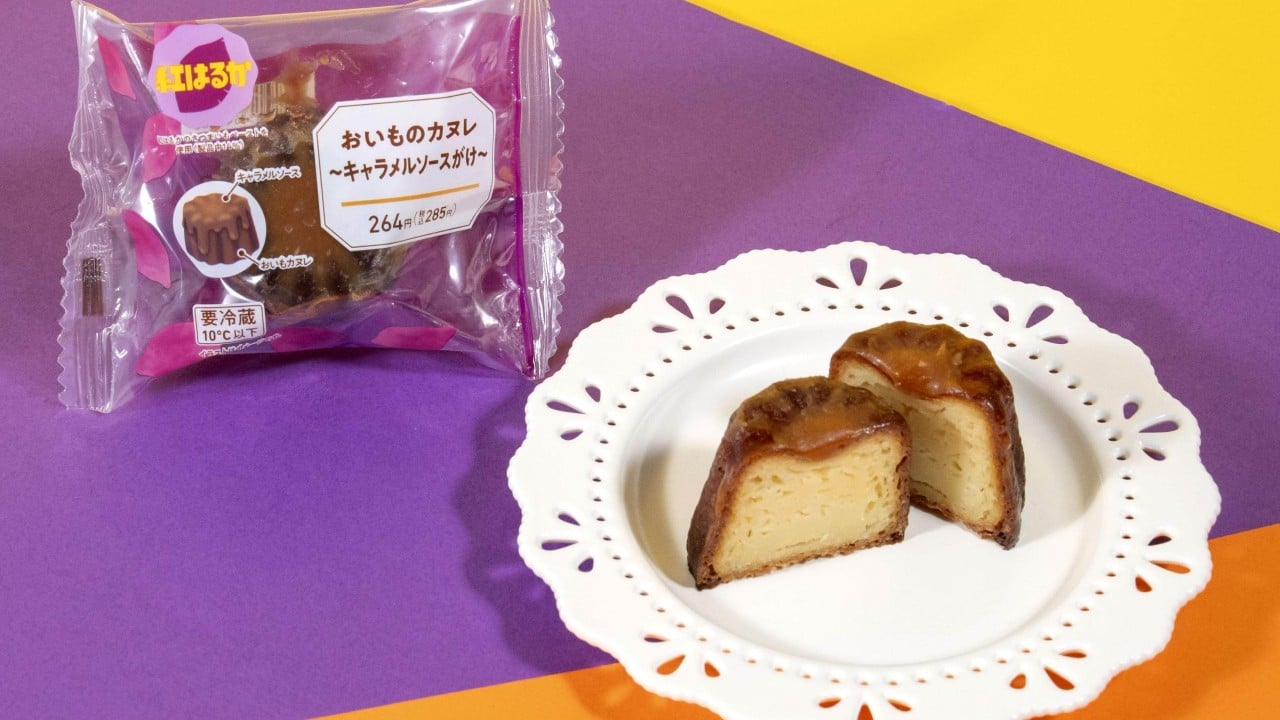
FamilyMart fed actual sales data into its systems to guide the creation of a French-style canele pastry made with sweet potato puree and finished with caramel sauce. They wanted something weird enough to grab attention, but grounded enough in purchase history to actually sell.
This follows a successful test run from July, when FamilyMart launched an AI-suggested biscuit sandwich filled with thick milk cream. That trial proved that machine-guided recipes could move inventory. Now, they are scaling up the concept for nationwide distribution.
What Humans Still Have to Do
Don't assume machines are running the entire kitchen. AI acts as the idea generator, but human specialists still do the heavy lifting.
Developing a stable food product requires precise chemistry. A computer can output text saying "pickle-flavored lemon tart," but human developers have to figure out how much pickle juice, acidity, and sugar will make the pastry edible instead of repulsive.
The division of labor is clear. Algorithms handle the weird combinations that human focus groups would reject out of hand due to corporate caution. Human pastry chefs handle the execution, turning digital nonsense into a physical item you can buy for around 270 yen (about $1.75).
Where Convenience Store Innovation Goes From Here
Novelty products have always driven foot traffic in Japan's competitive convenience store sector. Konbini culture thrives on rapid rotation, seasonal items, and shock value.
Using AI for product development lets companies churn out dozens of absurd concepts a week, filter out the worst ones, and test the survivors in real markets. If the pickle tart flies off the shelves, expect a flood of algorithm-designed snacks hitting aisles near you.
Grab one before they disappear. Or don't. The machine won't mind either way.