Great powers rarely crash into each other by accident. They drift apart slowly, building walls of rhetoric and trade restrictions until official channels freeze solid. When formal government-to-government lines jam, the diplomatic machinery doesn't just stop—it looks for pressure valves. Right now, as the United States and China navigate another friction-heavy cycle, everyone is asking where those safety valves will come from.
Most analysts look straight to Geneva, Singapore, or European capitals. They miss the most obvious utility right in China's backyard.
Hong Kong occupies a unique institutional architecture that allows it to function as a premier venue for Track 1.5 and Track 2 diplomacy. It is part of China, yet its legal, financial, and professional systems retain distinct global linkages. When cabinet officials in Washington and Beijing refuse to pick up the phone, business leaders, think tanks, academic institutions, and legal experts in the city can keep the dialogue moving.
You cannot run international relations purely on high-stakes presidential summits. Those events provide the theatrical curtain-raisers, but the actual plumbing of peace is managed by mid-level officials, trade groups, and academic specialists who hammer out technical details long before leaders step onto red carpets.
The Mechanics of Informal Diplomacy
Track 1.5 diplomacy—which mixes government officials acting in unofficial capacities with private sector experts and academics—thrives in gray zones. Official delegations face intense domestic political posturing. Every word spoken across a negotiating table in Washington or Beijing is parsed by cable news anchors and opposition lawmakers, making compromise look like weakness.
Hong Kong removes much of that theatrical pressure.
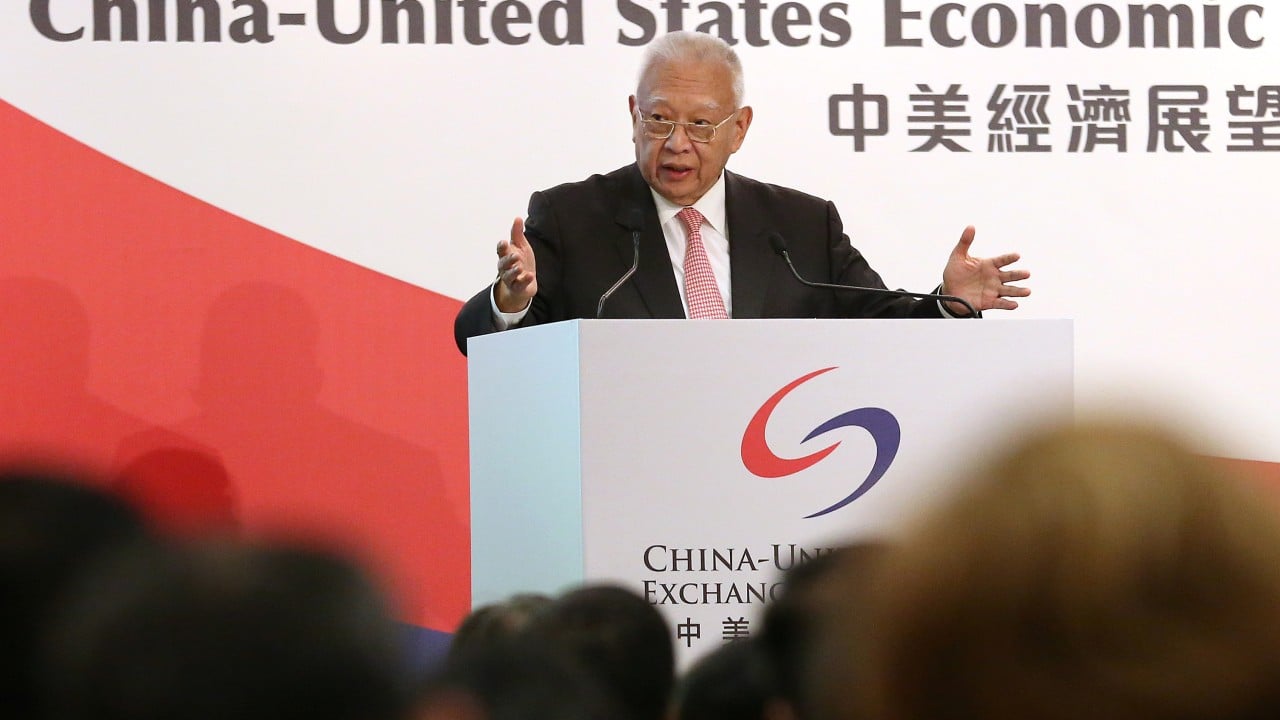
When retired diplomats, corporate executives, and policy researchers gather in the city for closed-door roundtables, they can test ideas without the immediate burden of a press conference. They can discuss supply chain resilience, technology standards, and financial market stability away from the political hot lights.
Think about how international commerce actually operates. Multinational corporations don't halt their operations because two superpowers are feuding; they find workarounds. Hong Kong has spent decades perfecting the art of being a neutral commercial clearinghouse. Its legal system, rooted in English common law, provides a trusted framework where Western and Chinese capital intersect daily. That same infrastructure translates naturally into diplomatic mediation.
Why Financial and Academic Networks Matter More Than Ever
Governments often underestimate the power of non-state actors. When formal channels stall, institutional investors, university research labs, and chambers of commerce carry immense weight.
For instance, American and Chinese chambers of commerce operating out of the city maintain continuous, practical communication regarding regulatory changes, tariffs, and operational hurdles. They aren't trying to draft grand peace treaties. They are solving concrete problems: how to clear shipments, protect intellectual property, and maintain data security compliance without violating shifting national security laws on either side of the Pacific.
These micro-discussions prevent total economic decoupling. They keep the friction from turning into outright hostility. When businesses share hard data on how specific export controls disrupt supply chains, policymakers eventually listen, even if the messaging has to travel through backchannels.
Academic institutions in the city play an equally vital role. Joint research projects on public health, green energy transition, and artificial intelligence safety continue across borders despite government skepticism. By anchoring these scientific collaborations in a neutral environment, researchers maintain open lines of communication that outlast political administrations.
Moving Beyond the Superpower Cold War Narrative
It is easy to fall into the trap of viewing every global interaction through the lens of a zero-sum contest between Washington and Beijing. That mindset assumes that if one side wins, the other must lose.
Hong Kong's enduring value lies in its ability to defy that binary. It is a city designed to make connections, not build walls. By positioning itself as the premier venue for pragmatic, unglamorous dialogue, it offers a blueprint for how smaller and regional hubs can manage great power friction.
You don't need to control global geopolitics to shape how they unfold. You just need to be the room where the hard problems are quietly solved while politicians are busy shouting at each other on television.
Start looking past the headlines about summits and trade wars. The real work of stabilization is happening in quiet conference rooms, boardrooms, and university halls where pragmatism still outweighs politics. Get involved in regional networks, support cross-border institutional research, and keep the channels open before they freeze over entirely.