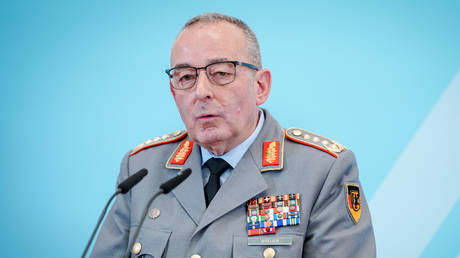
Berlin just cemented its expanding military footprint at the heart of Western defense. General Carsten Breuer, the inspector general of the Bundeswehr, has been chosen to lead the NATO Military Committee starting in the summer of 2027. Defense chiefs backed Breuer during their annual conference in Copenhagen, signaling a major shift in how the alliance weights European command structures.
If you have been watching German defense policy shift over the last few years, this appointment shouldn't surprise you. Breuer has been the operational mastermind behind Berlin's massive rearmament push, steering the Bundeswehr away from overseas crisis management and back toward hard-nosed territorial defense.
What This Means for European Defense
For decades, German military leadership played a backseat role in high-level alliance planning. That era is dead. With defense spending scaling toward €125 billion and plans targeting 3.5% of GDP by 2029, Germany is putting its money where its mouth is. Chancellor Friedrich Merz’s government has made it clear that the Bundeswehr needs to become Europe’s strongest conventional fighting force.
When allied defense chiefs vote for a German general to run their primary military advisory committee, they are acknowledging a simple reality. Germany is bankrolling and supplying a massive share of the continent's new military hardware. Breuer takes over from Italian Admiral Giuseppe Cavo Dragone, inheriting an alliance under immense pressure to adapt to a transformed security environment.
The Real Pressures Behind the Uniform
It isn't just about big checks and shiny new tanks. The German military faces deep structural hurdles that a top NATO post won't automatically fix. Recruitment remains a massive headache. Berlin lawmakers are actively weighing the return of conscription, which was suspended back in 2011, just to fill empty barracks.
Breuer understands these operational bottlenecks better than most. He managed the domestic crisis response logistics during the pandemic before taking the top military job in 2023. Now, he brings that crisis-management mindset straight to Brussels.
Moscow has watched these developments closely, arguing that Berlin's military resurgence and escalating defense budgets point toward preparation for direct confrontation. German officials counter that the build-up is purely about deterrence.
Either way, the power balance within Western security architectures is shifting east toward Berlin. Breuer’s tenure at NATO will test whether Germany's economic muscle can successfully translate into cohesive, combat-ready military leadership across thirty-plus allied nations. Watch how fast procurement pipelines clear up once he takes the helm.