Religion and politics always make for a combustible mix, but Brazil just proved that a ghost from a 2007 legislative filing can return to upend a modern presidential race.
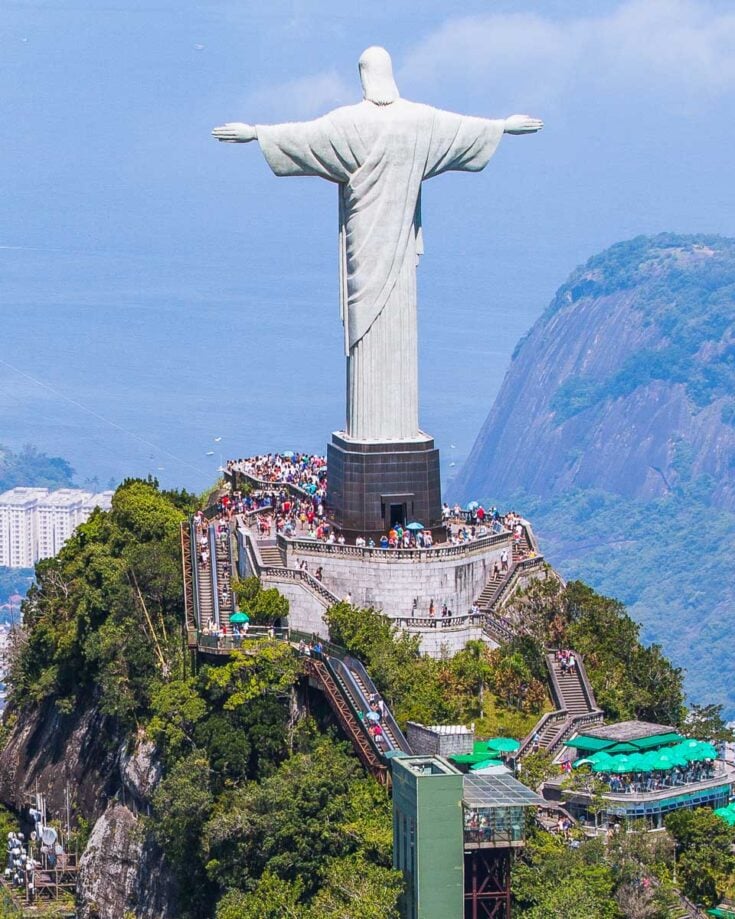
In the final stretch of the campaign, right-wing candidate Flávio Bolsonaro found himself on the defensive against a viral falsehood. The rumor claimed he and his evangelical allies planned to strip Our Lady of Aparecida of her status as the national patron saint. President Luiz Inácio Lula da Silva seized on the chatter during rallies, promising crowds that the revered black Madonna would remain safe under his watch.
It is a classic case of campaign panic meeting deep-seated cultural anxieties. But looking closely at what actually happened reveals a messy intersection of digital misinformation, religious identity, and hard-nosed electoral strategy.
Where the Rumor Started
The claim has zero basis in current policy. It traces back nearly twenty years to an obscure bill introduced by an evangelical lawmaker in 2007, which was quickly shelved and never became law.
Yet, in the closing days before the vote, social media algorithms and partisan networks dusted off the old proposal. The narrative painted Flávio Bolsonaro, an evangelical senator, as hostile to Brazil's Catholic majority. For a campaign fighting to consolidate support across diverse religious groups, the rumor posed an immediate headache.
Bolsonaro pushed back hard, posting videos calling it a malicious fabrication designed to swing Catholic voters toward the incumbent. Supreme Court justices and legal scholars found themselves bickering over whether trying to censor or moderate the flying accusations infringed on free speech or merely reined in deliberate disinformation.
The Battle for the Christian Vote
Brazil's demographic shift forms the backdrop of this entire clash. For generations, the country was overwhelmingly Catholic. Over the past few decades, however, evangelical churches have expanded rapidly, claiming a massive share of the population and wielding substantial political influence.
Politicians on all sides know that winning the presidency requires walking a delicate tightrope. You cannot alienate the conservative evangelical base, nor can you afford to lose the traditional Catholic vote.
When Lula stood at a microphone in Belém and Fortaleza to pledge protection for the patron saint, he was not just defending a religious icon. He was firing a strategic shot to rally Catholic voters who might be leaning toward the right. It exposed a fierce contest over who gets to define what it means to be Christian and patriotic in modern Brazil.
Why Fake News Sticks in Tight Races
Electoral disinformation rarely appears by accident. When polls show a razor-thin margin, campaigns and their supporters lean into emotional buttons that drive turnout.
Political analysts point out that weaponizing religious symbols is an old playbook in Latin America. In previous cycles, opponents circulated scares about school curriculums or threats of church closures. These tactics work because they bypass policy debate and hit voters right in their identity and core beliefs.
When you look at the numbers, you see why candidates take the risk. Recent polls from institutes like Quaest show a neck-and-neck race heading into the final debates and the first round. Every single percentage point among Catholic women, working-class voters, and religious minorities becomes the difference between victory and defeat.
Take a hard look at how fast unverified claims spread when voters are anxious about cultural change. If you are following Brazilian politics right now, filter out the noise, check the legislative history before believing viral clips, and watch how candidates perform under pressure on live television.