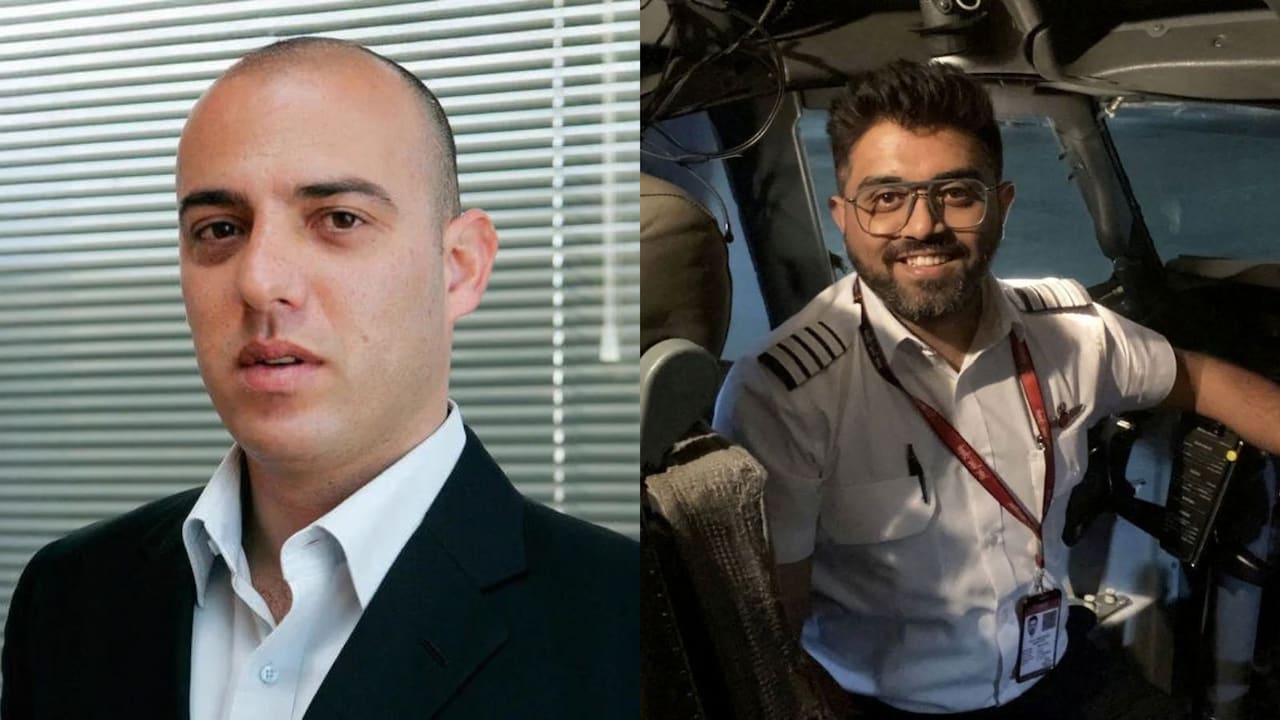
Cruising at 30,000 feet changes your sense of vulnerability. You trust the locked steel door, the flight crew, and the invisible protocols keeping a heavy metal tube aloft. But what happens when the threat comes from inside the flight deck? That horrifying scenario played out on a flydubai flight when an Omani co-pilot allegedly turned on Indian Captain Smit Machchhar in an apparent suicide terror attempt.
What saved everyone wasn't a pre-programmed emergency system. It was raw human intervention, improvised weapons, and sheer grit.
The Chaos Inside First Class
Zvika Manes was sitting in the front row of business class with his family when the routine trip turned into a nightmare. His wife had accompanied their young daughter to the washroom near the front of the aircraft when abnormal, violent noises erupted from the cockpit. Shouting and scuffling shattered the hum of the cabin. Seconds later, the plane began an aggressive, erratic descent.
Most people freeze when panic hits. Manes didn't. When the cockpit door finally cracked open, it revealed a bloody scene that no airline safety briefing prepares you for.
Captain Smit Machchhar had sustained serious injuries, yet he managed to pull the door open, giving passengers and crew a crucial opening to act. The co-pilot was armed with a knife—an object that somehow bypassed airport security checks, sparking severe global questions about aviation security vulnerabilities.
Improvising a Defense at 30,000 Feet
With the attacker trying to bring the aircraft down, passengers and a reserve pilot on board didn't wait for permission. They swarmed the flight deck.
Manes and other travelers used headphone cables handed out for the multimedia system to bind the attacker. It's an extraordinary detail. High-tech security systems failed, but cheap plastic headphone wires helped subdue a knife-wielding co-pilot mid-flight.
Another Israeli passenger and an off-duty reserve pilot yanked the attacker out of the cockpit space. The immediate physical threat was neutralized, but the battle to save the flight and the injured captain was just beginning.
Keeping the Captain Alive
While some passengers secured the attacker, Manes rushed to help Captain Machchhar alongside a doctor on board. The cockpit was a mess of blood and adrenaline.
Machchhar was conscious and communicating, but he was losing blood fast. Passengers and crew rushed oxygen masks to his face, applying first aid and talking to him constantly to keep him from slipping into unconsciousness.
"He asked them if he's okay," Manes recalled.
Despite suffering stab wounds, Machchhar's refusal to let go of his duties or let the plane completely succumb to the attacker's controls is the only reason the aircraft didn't crash. Israeli officials and aviation experts have since hailed Machchhar as a hero, while Prime Minister Benjamin Netanyahu praised the unbelievable courage shown during the incident.
The Aftermath and Hard Questions
Governments are scrambling to piece together how an airline pilot became radicalized enough to launch a cockpit attack. Reports indicate the co-pilot was deeply unstable, isolated himself from female colleagues, and muttered suicidal phrases during the struggle.
Yet, the questions remaining for commercial aviation are glaring. How did a knife make it past security screenings at the origin airport? Why aren't cockpit doors completely tamper-proof from the inside against internal threats?
Passengers should never have to double as security guards or use headphone wires to stop a pilot from crashing a plane. Aviation authorities are now forced to reevaluate screening protocols, psychological monitoring for flight crews, and cockpit security designs.
Captain Machchhar survived, and five Israeli civilians are being honored for their swift bravery. Next time you board a commercial flight, remember that safety relies on more than checklists. Sometimes, it relies entirely on who happens to be sitting in row one.