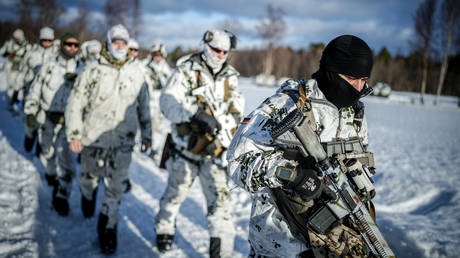
The Arctic used to be about climate data and polar bears. Now it's about heavy armor and deep-water ports. For years, Brussels treated the Far North as a low-tension zone defined by scientific exchange and environmental treaties. That era is over. Driven by shifting geopolitics, melting maritime routes, and rising tensions with Russia, European leaders are actively rewriting their strategy to militarize the High North.
If you look past the standard diplomatic language, the EU's recent policy pivots reveal a clear objective: transforming the Arctic into an integrated security buffer. Let's break down how this transformation is actually happening on the ground and why it matters right now.
The Death of Arctic Exceptionalism
For decades, diplomats relied on the concept of Arctic exceptionalism—the idea that whatever happened in the rest of the world stayed out of the polar region. That bubble popped. The war in Ukraine, frozen diplomatic channels with Moscow, and heightened competition over trade routes and resources have forced European capitals to wake up.
In late 2025, the European Parliament adopted a sweeping resolution on the Arctic that signaled a stark departure from past environmental priorities. Passing with 510 votes in favor, the document openly addresses military capability buildups and calls for tight coordination with NATO. Brussels isn't pretending the region is just an eco-reserve anymore. It's treating it as an exposed flank.
Upgrading the Northern Infrastructure
You can't move heavy military hardware across the tundra without serious logistical upgrades. Right now, European nations are pouring funds into infrastructure that serves a dual purpose: keeping remote civilian settlements supplied while allowing rapid troop deployments when things heat up.
At the Rovaniemi summit in Finland, leaders zeroed in on specific concrete needs. We're talking about reinforcing roads, bridges, and railways across Finland, Sweden, and Norway so they can actually support the weight of heavy NATO armored vehicles during sub-zero winters. Deep-water ports in Northern Norway are getting modern makeovers, and strategic fuel storage warehouses are popping up along the Barents Sea coast.
Building a Unified Icebreaker Fleet
Control over icy waters comes down to ships that can actually break through them. Finland, Sweden, and other northern EU members know they can't rely on fragmented national fleets if they want a credible presence.
Brussels is now pushing forward with plans for a joint EU icebreaker fleet. Finland has stepped up, offering its shipyards and centuries of maritime expertise to build these specialized vessels. It's an expensive undertaking, and EU Council President António Costa has already confirmed that climbing defense budgets in the North will be factored directly into upcoming long-term EU budget cycles.
Satellite Eyes and Hybrid Threat Defense
Military strategy in the twenty-first century isn't just about boots on the ground or ships in the water. It's about data and domain awareness. Melting ice opens up new shipping lanes like the Northern Sea Route, but it also creates blind spots vulnerable to cyber attacks, surveillance, and hybrid disruptions—similar to the undersea cable incidents seen in the Baltic Sea.
To combat this, the EU is expanding its satellite constellations dedicated to maritime surveillance and navigation. Finnish leaders have been vocal about closing these security gaps, arguing that infrastructure protection and rapid response capabilities must go hand in hand with environmental management.
The Arctic has officially changed status. It's no longer a remote frontier at the edge of the map. It's the new front line of European security.



:max_bytes(150000):strip_icc()/copenhagen-dk-COPENHAGENTG0721-4a481cb6025b43d1a781b1571b144f46.jpg)