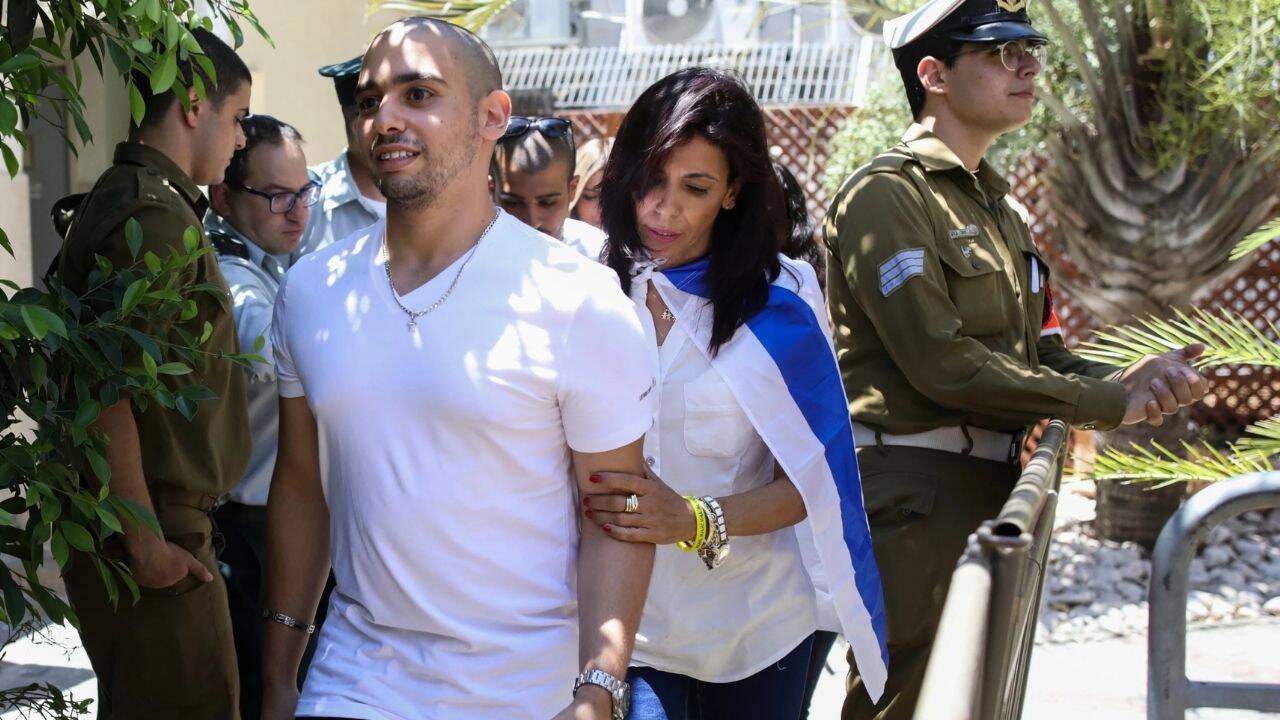
Israel's President Isaac Herzog just cleared the criminal record of Elor Azaria, the former combat medic who shot a wounded, incapacitated Palestinian attacker in Hebron back in 2016. If you followed the original trial, you know this case tore the country apart. Now, the pardon brings those old fractures right back to the surface.
Herzog signed off on the pardon following a formal recommendation from Defence Minister Israel Katz. The official rationale points to the decade that has passed, the approaching Yom Kippur holiday, and claims that Azaria expressed regret over an "operational error". But scratch the surface, and you will find a deeply polarized political and military establishment that is anything but united on the move.
What Actually Happened in Hebron
Back on March 24, 2016, two Palestinian men stabbed an Israeli soldier in the flashpoint West Bank city of Hebron. One attacker was killed during the assault. The second attacker, Abdel Fattah al-Sharif, lay on the ground severely wounded and unarmed.
Minutes later, Azaria walked up and shot al-Sharif directly in the head.
A bystander's cellphone video captured the execution in full detail. The footage went viral instantly, forcing the Israel Defense Forces (IDF) to act. Military prosecutors charged Azaria with manslaughter, a rare move for a soldier on active duty. In 2017, a military court found him guilty and handed down an 18-month prison sentence. He served just two-thirds of that time before walking free, though his criminal conviction remained—until now.
The Clash Between the Presidency and the Military
The decision to wipe Azaria's record wasn't a consensus choice. In fact, it flew directly in the face of the military establishment's formal position.
Army Chief of Staff Lieutenant-General Eyal Zamir fiercely opposed the pardon. In a letter to the defense ministry, Zamir argued that Azaria had consistently refused to take genuine responsibility or show true remorse over the years.
Military leadership has long worried about operational discipline. Top generals argued that letting a manslaughter conviction vanish without proper accountability sends a dangerous message to troops on the ground. Military ethics codes state that soldiers shouldn't use lethal force against threats that have already been neutralized.
Conversely, hard-line politicians praised the move loudly. National Security Minister Itamar Ben-Gvir took to social media to express joy over the clearing of the record, celebrating a decision he had campaigned for a decade prior. Defense Minister Katz defended the choice as humane, arguing that Azaria operated under intense, complex battlefield conditions.
International Fallout and Unlifted Sanctions
While domestic political figures cheered, the international community viewed the development through a much harsher lens. Human rights organizations and Palestinian officials historically categorized the 2016 shooting as an extrajudicial execution. When the original 18-month sentence was handed down years ago, critics called it a slap on the wrist that fostered a culture of impunity.
Furthermore, local domestic pardons don't erase international penalties. The United States government previously imposed direct sanctions on Azaria and his immediate family under policies targeting human rights abuses in the West Bank. Those federal US restrictions remain fully active regardless of what President Herzog decides locally.
Moving Forward
The timing of the pardon, arriving right before the Day of Atonement, attempts to frame the decision around national reconciliation. Yet, it highlights an ongoing ideological tug-of-war in Israel. It pits political leadership eager to back conscript soldiers against a military brass trying to maintain strict rules of engagement.
Azaria can finally open a clean chapter domestically, but the debate over accountability, military ethics, and justice in the occupied territories remains completely unresolved.