The death toll from the latest Ebola outbreak in the Democratic Republic of the Congo has rapidly passed 1,000. That figure alone makes it the fastest-spreading Ebola emergency ever recorded. Yet the raw numbers don't tell the whole story. What is happening right now in eastern Congo isn't just a medical emergency. It's a collapse of trust between sick communities and the institutions trying to treat them.
When people stop showing up at clinics, viruses win. That's the stark reality in Ituri province, the epicenter of the crisis. Sick individuals are staying home, dying in their living rooms, and accidentally infecting their loved ones during care or traditional burial preparations. By the time health teams figure out someone was infected, three or four more people have already caught it.
If international health agencies want to halt this trajectory, they need to change how they operate on the ground. The current playbook isn't stopping the fire.
A Rare Strain with No Standard Medical Shield
Public health responders faced a huge hurdle from day one. Most recent Ebola outbreaks, including the massive West Africa crisis a decade ago and the 2018 outbreak in North Kivu, were caused by the Zaire strain. Over years of intense trial and research, medical scientists developed highly effective vaccines like Ervebo and targeted monoclonal antibody treatments for that specific strain.
This time is different. The current epidemic is driven by the Bundibugyo virus.
There is no approved vaccine for Bundibugyo. There are no established, off-the-shelf therapeutic drugs with proven efficacy against it. Response teams are currently running emergency clinical trials with experimental options like remdesivir and candidate antibody formulas, but patients are essentially fighting the virus without a guaranteed medical safety net.
That lack of an effective vaccine changes everything on the ground. When public health officials can't offer ring vaccination to family members and neighbors of confirmed cases, they lose their strongest tool for cutting off transmission lines. The virus moves unchecked through dense households and crowded urban neighborhoods in towns like Bunia and Mongbwalu.
Early diagnostic failures made things worse. During the spring, diagnostic tests deployed across eastern Congo were primarily designed to pick up the Zaire strain. Many early Bundibugyo cases likely went completely undetected or misdiagnosed. By the time testing facilities recalibrated to detect Bundibugyo accurately, the virus had already established deep roots across multiple health zones.
Why People Are Avoiding Health Clinics
When you ask health experts why patients aren't coming to treatment centers, the answer usually boils down to fear and deep historical mistrust. But calling it simple "mistrust" misses the human experience behind those decisions.
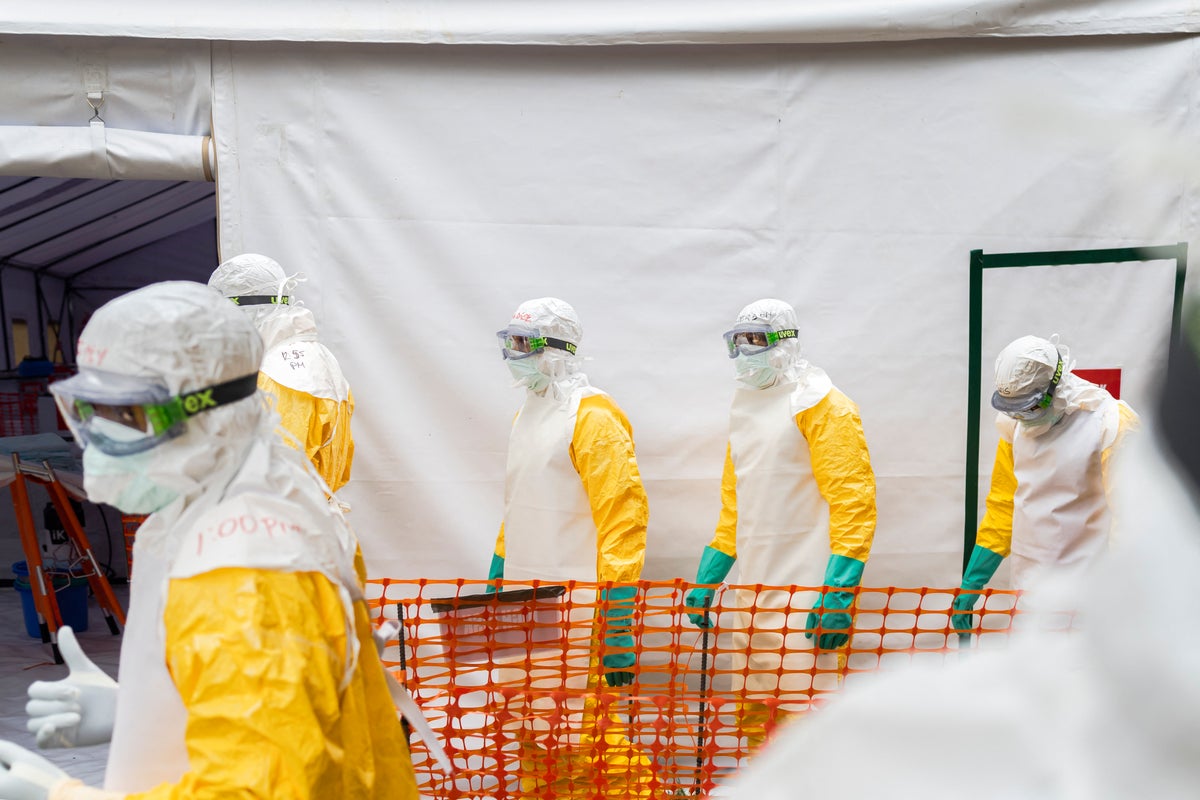
Imagine living in a community that has suffered decades of violence, neglect, and political abandonment. Suddenly, international personnel arrive in full-body protective suits, driving heavy vehicles, setting up isolated isolation units surrounded by high fences, and taking away sick relatives who rarely return alive.
Rumors spread fast in high-stress environments. Stories circulate that clinics are places where people go to die rather than get cured. When families see that medical teams cannot provide a quick cure or vaccine, their skepticism deepens.
Staying home feels safer to many families. They prefer to care for their sick parents, siblings, or children privately. Unfortunately, Ebola is at its most contagious when a patient is severely ill or dying. Vomit, blood, and other bodily fluids carry massive viral loads. Caring for a dying relative without specialized protective gear almost guarantees transmission.
The consequences are fatal. Officials estimate that roughly 80% of new cases stem from completely unknown chains of transmission. That means public health workers aren't tracking where the virus is moving. They're reacting after people have already died in their homes and infected their neighbors.
Active War Zones and Striking Healthcare Workers
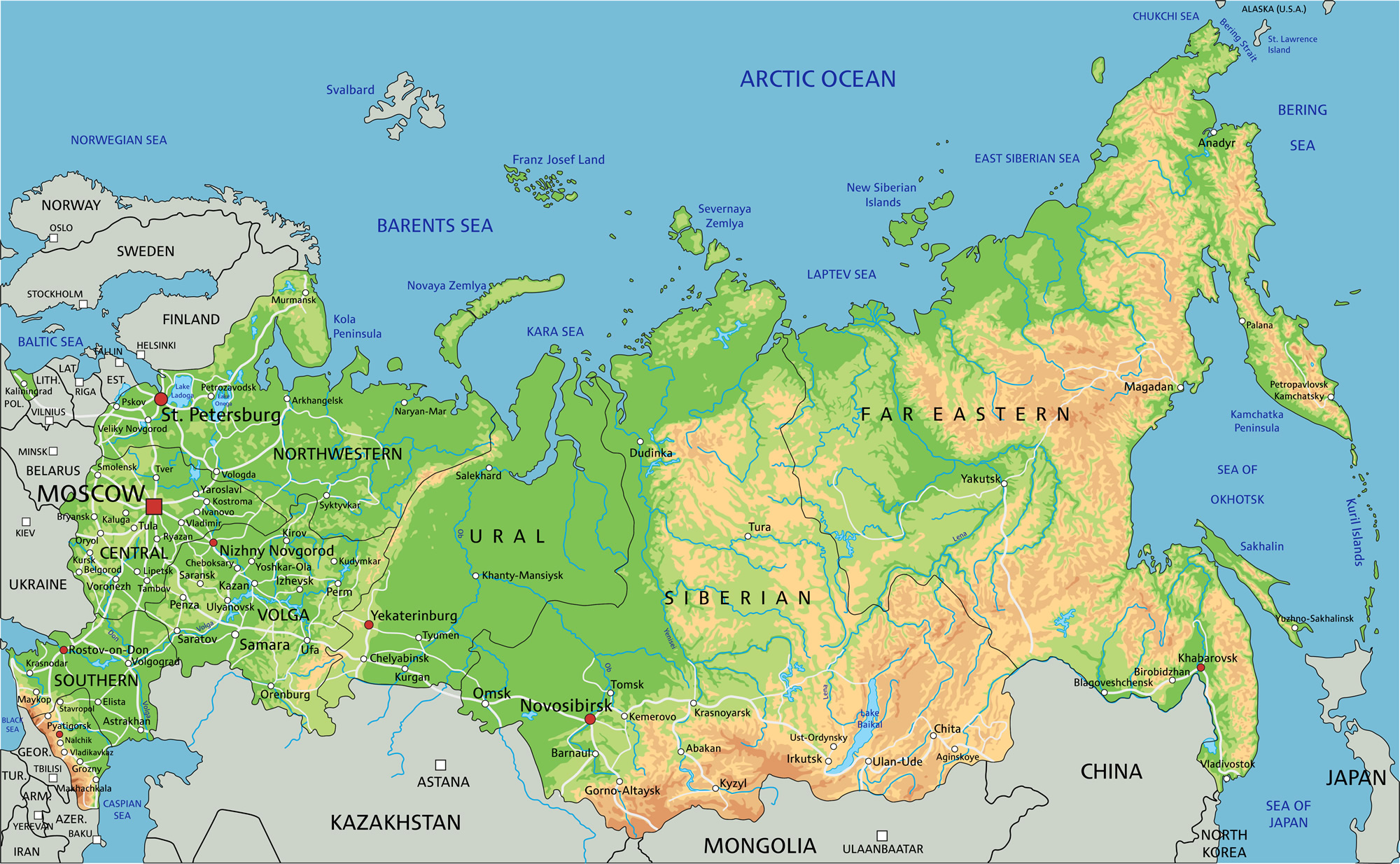
Medical teams aren't fighting a virus in a vacuum. Eastern Congo, particularly Ituri and neighboring provinces, remains one of the most volatile conflict zones on earth.
Armed groups, including ISIS-aligned militant forces like the Allied Democratic Forces, frequently launch deadly attacks across the region. Villages are burned, roads are blocked, and thousands of civilians are forced to flee into makeshift displacement camps.
The Displacement Crisis
Over two million displaced people live in high-risk zones across eastern Congo. Camps like Kigonze near Bunia hold tens of thousands of people living in cramped, unsanitary conditions with minimal access to clean water.
If Ebola takes firm hold inside a camp of 20,000 displaced people, tracing contacts becomes nearly impossible. People move constantly to survive. Unexplained deaths inside displacement camps have already sent alarm signals through humanitarian groups.
Frontline Strikes and Unpaid Wages
The operational environment isn't just dangerous. It's systematically underfunded at the local level.
Local Congolese doctors, nurses, and lab technicians have been working around the clock under extreme emotional and physical stress. Yet many of them haven't been paid their salaries or hazard benefits for months.
In Bunia, staff at major hospitals walked out on strike after warnings to government authorities went ignored. When local nurses strike, clinics close. Isolation units lose staff. Patients are turned away or left without care, driving even more people to handle sick relatives at home.
International aid flows into high-level logistics, but if local health workers on the frontlines don't get paid, the whole containment strategy falls apart immediately.
The Flaws in Standard Contact Tracing
Contact tracing is the backbone of any epidemic response. When someone tests positive, trained workers identify everyone who had physical contact with that person during their infectious window. Those contacts are monitored for 21 days.
In this outbreak, contact tracing is operating at around 55% efficiency in key zones. That's an astonishingly low number for an Ebola outbreak.
Why is it failing?
- Violence limits where trace teams can safely walk.
- Constant movement of displaced populations makes tracking people almost impossible.
- Stigma leads people to conceal symptoms or provide fake names.
- Community members refuse to speak with official teams without local leaders present.
When contact coverage drops to half, public health agencies are effectively blind folded. They can only see the cases that show up at treatment facilities, which represents a small fraction of the actual disease burden on the ground.
How Neighboring Countries Are Coping
The virus hasn't stayed neatly inside Congo's borders. Cross-border trade, migration, and refugee movements along the corridor connecting eastern Congo to western Uganda create a constant risk of regional spillover.
Uganda has recorded confirmed cases, including imported infections and secondary transmissions among health workers in the Kampala metropolitan area. However, Uganda's response structure has managed to contain secondary clusters much faster than in Congo.
Uganda's public health infrastructure has decade-long experience dealing with hemorrhagic fevers. Their surveillance systems caught cross-border cases early, isolated contacts rapidly, and prevented wide-scale community spread in Kampala.
That contrast highlights an important lesson. The virus isn't spreading wildly in Congo simply because it's aggressive. It's spreading because the local health system in Ituri is overwhelmed, underfunded, and disrupted by armed conflict.
What Needs to Change Immediately
To stop this outbreak from expanding into a multi-year regional disaster, international agencies and the DRC Ministry of Health must pivot their strategies right now.
Pay Frontline Workers First
No response plan works without local health staff. Paying local nurses, doctors, and contact tracers their back wages and hazard pay must be the immediate financial priority. Strike actions directly cause spike events in community deaths.
Shift Ownership to Local Leaders
Top-down messaging from international organizations isn't working. Community leaders, church pastors, local women's groups, and traditional healers must be given the authority, training, and resources to lead communication efforts. When a trusted neighborhood elder explains how to safely isolate a patient, families listen. When an outsider in a suit demands access, doors close.
Establish Humanitarian Corridors
Fighting between rebel groups and government forces must not cut off medical supplies. Negotiating temporary ceasefire agreements and secure humanitarian corridors is essential to get testing kits, clean water, and medical gear into remote health zones.
Fast-Track Experimental Therapeutics
Because there is no approved vaccine for the Bundibugyo strain, accelerating clinical trials for therapeutics like remdesivir and MBP134 on the ground is critical. Giving patients a real, measurable chance of survival when they enter a treatment center is the single best way to rebuild community trust.
Action Steps for International Response Teams
- Direct emergency funds directly to local health worker payrolls in Ituri and surrounding provinces to immediately resolve ongoing strikes.
- Decentralize care by setting up smaller, community-run triage posts managed by local healthcare workers rather than distant central facilities.
- Integrate rapid testing capabilities into primary care clinics so non-Ebola illnesses like malaria can be quickly separated from suspect cases.
- Expand sanitation infrastructure and clean water access across all displacement camps in Bunia to prevent rapid viral propagation.
- Work through local civil society networks to facilitate safe, dignified burials that respect cultural customs while preventing direct physical contact with deceased patients.