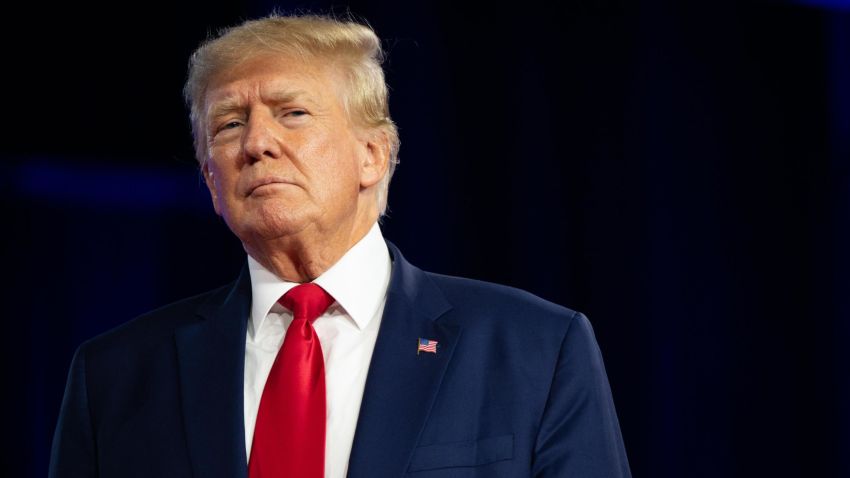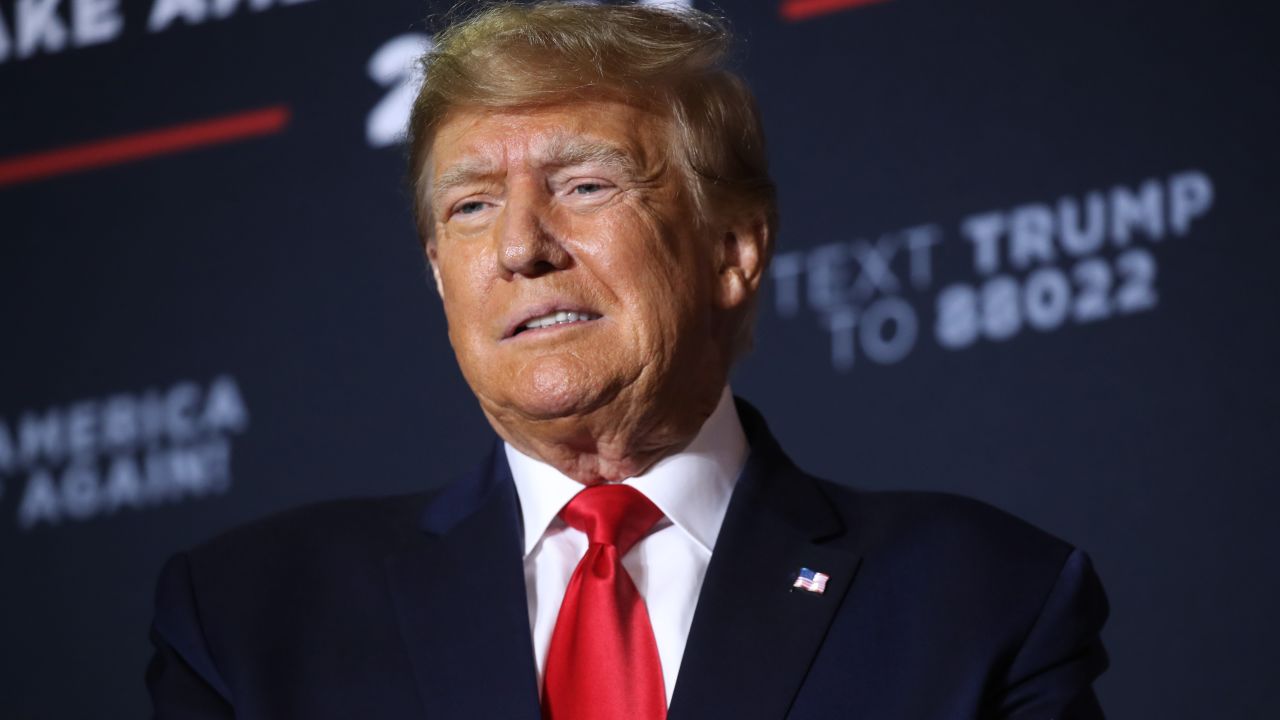
Donald Trump walked up to the podium at the United Nations General Assembly and immediately bypassed diplomatic pleasantries. If you expected a standard, polished speech about global unity, you clearly haven't been paying attention. Instead, he delivered a blunt ultimatum regarding the ongoing U.S. war with Iran, framing his choices as a stark binary: secure a sweeping deal or face total annihilation.
The speech laid bare the tension defining Washington's foreign policy right now. Trump wants to project the image of a dealmaker who solves intractable global conflicts, yet he is tethered to a stagnant military campaign in the Middle East that has triggered severe economic shockwaves and closed the vital Strait of Hormuz.
The Deal or Hell Ultimatum
The core of Trump's address centered on an aggressive choice presented directly to Tehran. Standing in front of international diplomats, he questioned whether he should push for an agreement allowing the Islamic Republic to rebuild or take the path of total military destruction.
"Do I annihilate the Islamic Republic and do it quickly?" Trump asked the assembly. "Or, do I drive them into hell with no chance of survival and no hope of future greatness?"
It's a vintage rhetorical style. Yet, beneath the apocalyptic phrasing, Trump signaled a timeline for diplomacy. He insisted that an agreement is entirely possible, predicting that Tehran is simply waiting out the clock until after the U.S. midterm elections in November. Iranian delegates, for their part, didn't stick around to listen to the rest of the justification; most of the lower-level staff seated in place walked out early in the address.
Defending the Conflict Amid Domestic Pressure
The political reality back home is messy. With high fuel prices and economic anxieties threatening his party's hold on Congress, Trump faces fierce pushback over the military campaign. Critics argue the war has missed its core objectives and drained crucial resources.
Trump batted those criticisms away with typical defiance. He dismissed claims that U.S. stockpiles of munitions and missile-defense interceptors are running low, labeling such reports as chatter from cowards and traitors. According to the White House, weapons manufacturing lines are scaling up at unprecedented speeds, and the U.S. Navy has successfully escorted more than a billion barrels of oil through troubled waters.
He also doubled down on his economic warfare strategy. Trump called on every nation in the international community to enforce the absolute economic isolation of Iran, thanking the UN Security Council for backing resolutions against attacks on commercial shipping.
Beyond the Middle East
While the Iran conflict dominated the room, Trump used the high-profile platform to check off several other geopolitical friction points. He announced a fresh deal with Denmark to build two major military bases in Greenland, a move guaranteed to ruffle feathers among traditional European allies. He also took direct aim at the International Criminal Court, labeling it a rogue institution and urging all member states to resign immediately.
The speech proved once again that international forums are treated primarily as domestic political stages for this administration. Whether his timeline for post-election negotiations holds true or if the military conflict deepens remains the most volatile question in global politics. Watch the diplomatic maneuvering closely over the next few months, because the fallout from this UN address will dictate energy markets and security alliances well into the year.