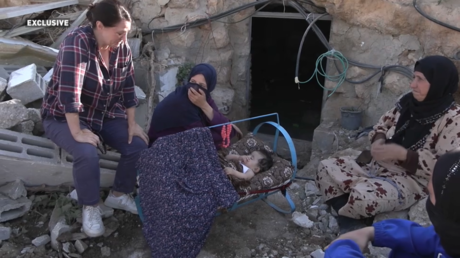
Bulldozers rolled into the small West Bank village of Jinba, razing 24 homes and leaving roughly 180 people without shelter. Among those displaced are 85 children. This latest operation marks the third large-scale destruction in the Masafer Yatta region within a span of three weeks, signaling an aggressive escalation in the displacement of local residents.
When families returned after the military and police operation, they found their neighborhoods reduced to concrete dust and twisted metal. Essential infrastructure, including solar panels and vital water tanks, was completely smashed. Human rights organizations, notably B’Tselem, have repeatedly condemned these actions, pointing out that such displacement targets vulnerable agrarian communities under the guise of state-designated training zones.
Understanding the Legal Battle Over Firing Zone 918
Jinba sits squarely inside what the Israeli military calls Firing Zone 918. Back in the 1980s, the state designated thousands of dunams of this land for military training purposes. That single administrative stroke set off a decades-long legal war between local shepherds, cave-dwellers, and the state.
The core dispute boils down to residency rights. Palestinian families maintain they lived on these hills long before the military drew its boundary lines. They point to ancient cave dwellings, terrace farming, and generational land use. On the other side, courts have argued that residents failed to prove permanent, continuous presence before the zone's creation.
That legal hurdle culminated in a 2022 Israeli High Court ruling that cleared the path for systematic evictions and property destruction. Since then, military operations have picked up speed. Bulldozers don't just target homes; they destroy water infrastructure, cutting off the basic necessities required for human survival in an arid landscape.
The Human Toll in Masafer Yatta
Numbers on a page rarely capture the reality on the ground. When families lose their roofs, daily life collapses into a struggle for shade and water. Reports from the area describe infants and toddlers sitting exposed under the blazing sun for hours while parents sift through rubble to salvage clothes or school books.
Local residents face an impossible choice. They can stay and watch their makeshift tents get torn down week after week, or they can pack up and abandon ancestral lands entirely. Many choose to stay, rebuilding shelters with whatever materials remain, even as the threat of another raid looms overhead.
Rights monitors argue that the systematic destruction of homes, cisterns, and agricultural assets amounts to forcible transfer, which violates international humanitarian law. Yet, military escorts and heavy machinery continue to arrive with little warning, executing demolition orders signed months or years prior.
Broader Implications for the West Bank
What happens in Masafer Yatta doesn't stay in Masafer Yatta. These localized demolitions form part of a broader pattern across the occupied territories. Observers note a parallel increase in settler violence, restrictions on water access, and the uprooting of centuries-old olive groves designed to squeeze rural communities off valuable territory.
International pressure has largely stalled at verbal condemnation. Foreign ministries issue statements expressing concern, but machinery keeps moving. Communities like Jinba find themselves trapped between high court rulings, military logistics, and shifting geopolitical priorities.
If you want to track how these events unfold, watch the local documentation provided by human rights field workers rather than official military briefings. The gap between bureaucratic justification and the reality of a flattened village tells you everything you need to know about where power lies in the West Bank today.