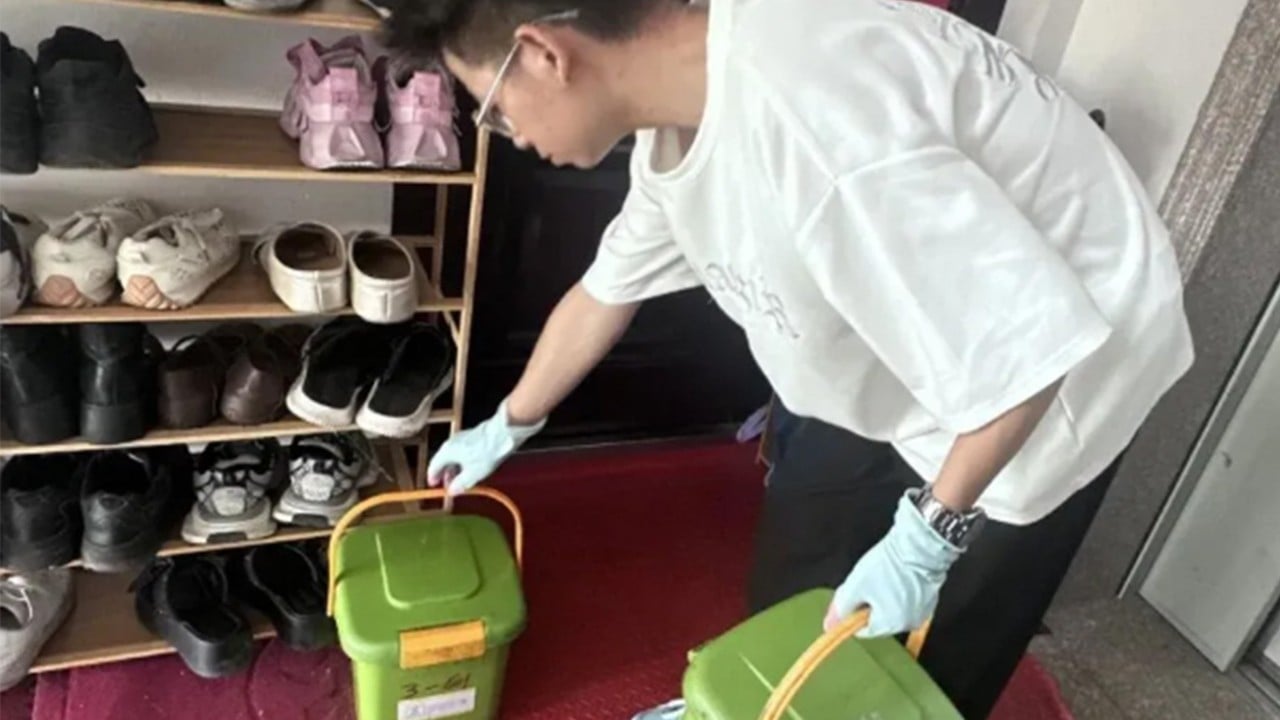
You finish a twelve-hour workday, drag yourself back to your apartment, and realize you missed the building's strict two-hour afternoon window for waste disposal. Now your kitchen smells, and tomorrow morning's schedule looks just as brutal. What do you do? In urban China, a growing crowd of busy professionals and isolated residents are choosing a remarkably simple fix. They are outsourcing the most basic household chore to gig workers for roughly fifteen dollars a month.
At first glance, paying someone three to five yuan (about 45 to 75 US cents) per pickup or around 100 yuan for a monthly subscription to throw away your garbage sounds absurd. Critics online frequently ask why anyone would spend money on a task so trivial you can do it on your way out the door. But once you look past the initial bewilderment, this trend reveals a lot about modern living constraints, burnout culture, and the expanding boundaries of the convenience economy.
The Mechanics Behind the Doorstep Trash Pickup Boom
This phenomenon fits squarely into what analysts call the lazy economy, a market driven by time-poor urbanites who gladly trade money to reclaim fractions of their day. It follows hot on the heels of other hyper-niche convenience services, like paid school-pickup services and parcel collection runners who grab packages for busy clients.
Trash disposal, however, carries unique logistical headaches in certain areas. Take Shanghai, for instance. As China's pioneer in mandatory household waste sorting, the city enforces strict rules about where and when residents can dump garbage. Many residential compounds restrict waste disposal to tight windows, such as two hours in the morning and two in the evening. If you work a demanding office job, those rules create an immediate conflict. You miss the window, your apartment accumulates waste, and frustration sets in.
Providers offering these monthly services have spotted a goldmine in these friction points. Entrepreneurs like Mihan in Hangzhou and Fei in Jiaxing have jumped into the space. Mihan pulled in over twenty orders within three days of launching her service, finding that clients appreciate the total lack of awkward face-to-face interaction. You just bag the rubbish, set it outside your front door, and let the runner handle the rest.
Beyond Convenience: Why Vulnerable Groups Rely on the Service
While busy office workers make up a massive chunk of the clientele, the real value of these low-cost chores extends far beyond mere laziness. For several groups, doorstep trash collection is a genuine lifeline.
Consider individuals dealing with mental health struggles. One user on social media shared that severe depression meant they could only bring themselves to leave the apartment or handle trash late at night out of fear of running into neighbors. Having a reliable runner clear the doorway removes a daily psychological barrier.
Then there is the elderly population. In older residential blocks lacking elevators, residents with limited mobility find upper-floor living increasingly isolating. Carrying heavy bags down flights of stairs becomes physically hazardous or outright impossible. Service providers like Fei have deliberately tailored parts of their operations to support elderly clients living in older walk-up buildings, transforming a casual side hustle into community-level care.
Pricing Realities and Scalability
Can a business model built on forty-cent transactions actually survive long-term? Skeptics point out that the profit margins per client look razor-thin. Yet, volume changes the math.
Runners often bundle these tasks. If you are already walking down a apartment hallway to collect one client's trash, picking up bags from four or five neighboring doors takes negligible extra effort. Some providers tack on extra errands, like grabbing mail or picking up parcels, to bump up their daily earnings without drastically changing their routine.
It is micro-entrepreneurship stripped of corporate overhead. You do not need a storefront, fancy equipment, or specialized certifications. You just need a working smartphone, local knowledge, and the willingness to hustle.
What This Trend Tells Us About Modern Urban Life
We have built cities and work schedules that isolate people and squeeze every spare minute out of their days. When basic domestic survival tasks start feeling like insurmountable hurdles, hiring outside help becomes a rational economic choice rather than a sign of personal failure.
If you are looking at this market from the outside, the takeaway is clear. Convenience services do not need to be high-tech or revolutionary to win adoption. They just need to solve an annoying, daily friction point for people who have more cash than time.
Stop judging how other people manage their households. Sometimes, spending fifteen bucks a month to avoid wrestling with a garbage bag is the best investment you can make in your own sanity.