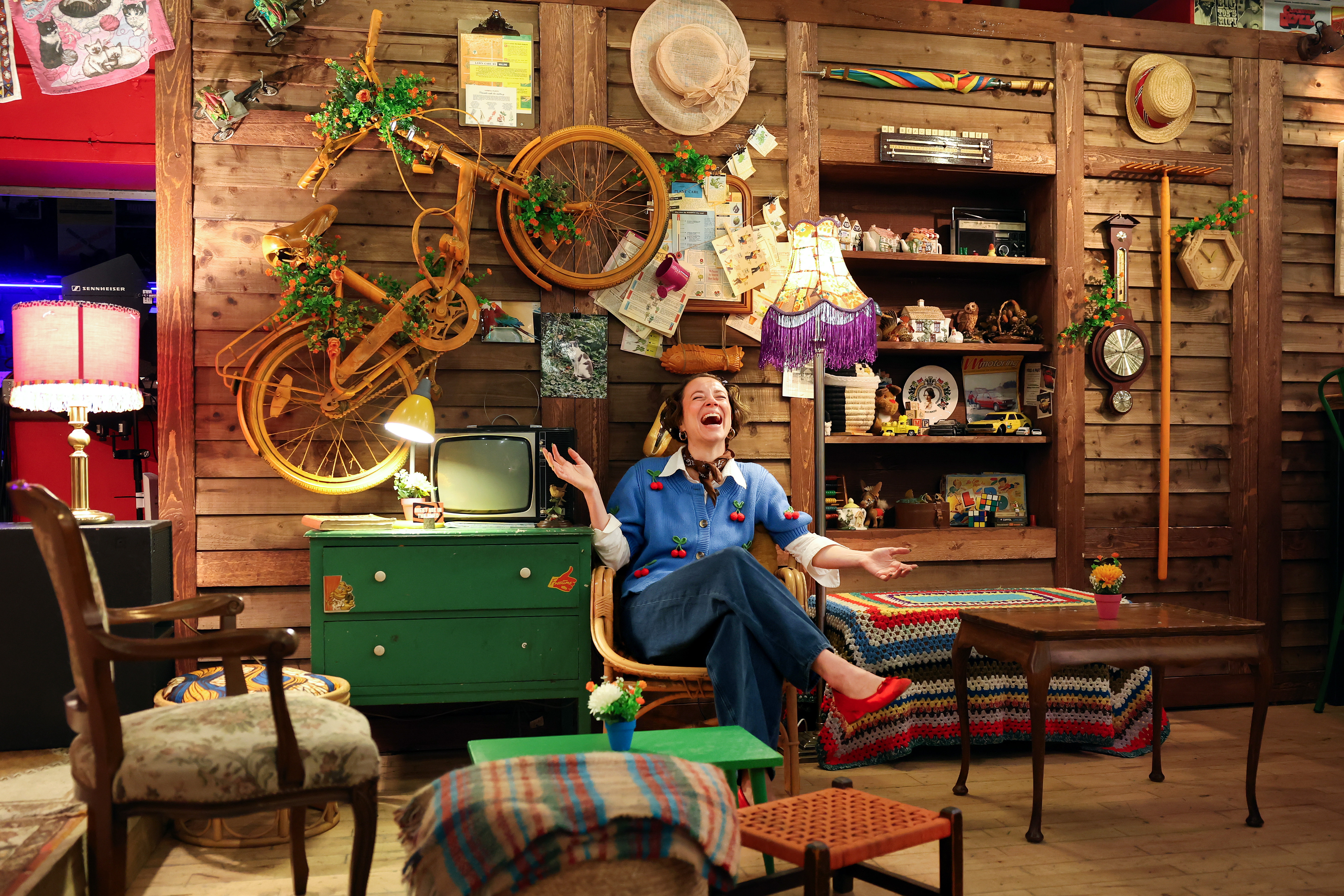
If you set out to build a cultural phenomenon, you will almost certainly fail. That is the counterintuitive lesson from Francesca Moody, the theatrical super-producer who helped bring both Fleabag and Baby Reindeer from tiny basement stages to global streaming giants. While corporate boardrooms spend millions trying to reverse-engineer viral hits using focus groups and data algorithms, Moody operates by an entirely different set of rules. She doesn't look for hits. She looks for things that make her feel slightly unsettled.
Most people misunderstand how creative lightning strikes. They think massive cultural moments are meticulously calculated products of Hollywood machinery. The reality is much messier, far riskier, and entirely rooted in gut instinct. If you want to understand why most modern entertainment feels sterile and predictable, you have to look at how true creative risk actually works in places like the Edinburgh Festival Fringe.
The Myth of the Manufactured Masterpiece
We live in an industry obsessed with intellectual property. Studios want pre-sold audiences, recognizable titles, and formulas that minimize financial exposure. But Moody’s track record proves that the most culturally seismic projects usually start as chaotic, half-baked sketches that corporate executives would reject on sight.
Take Fleabag. When Moody first encountered Phoebe Waller-Bridge's work, there was barely a script to speak of. It was essentially one page of notes. There was no grand strategy for a television adaptation, no marketing roadmap, and no guarantee of an audience. There was just a distinct, raw voice that felt sharply alive.
When you chase commercial safety from day one, you file down the edges that make a story dangerous. You sand away the uncomfortable truths. You make it palatable for everyone, which usually means it resonates deeply with no one.
Why Gut Instinct Beats Market Research
Producers who rely strictly on market research are always looking backward. They are trying to recreate what worked yesterday because they are terrified of failing tomorrow. Moody approaches her slate through raw intuition. If a piece of writing gives her that specific, fizzy jolt of excitement, she backs it—regardless of whether it fits neatly into a commercial box.
This approach doesn't mean failure is avoided. Even the best producers crash. Moody readily points to Berlusconi: A New Musical, a 2023 satirical production that faced harsh reviews and a difficult commercial run. Risk inherently carries the threat of public face-plants. But that vulnerability is the price of admission if you want to find work that actually moves people. Safe art rarely fails completely, but it rarely achieves anything remarkable either.
The Danger of the Pre-Packaged Message
Another trap facing modern creators is the urge to educate or lecture. Too many new works treat the audience like a classroom rather than a community of people looking for a shared experience. When art becomes an assignment, it loses its theatrical pulse.
The best storytelling lives in the gray areas. It embraces characters on their absolute worst days, making messy, complicated choices without offering tidy moral conclusions. When artists focus on manufacturing a specific takeaway or political bullet point, the humanity of the narrative gets crushed beneath the weight of the agenda.
What Creators Get Wrong About the Audience
Audiences are far smarter than entertainment executives give them credit for. People consume brilliant, high-level content twenty-four hours a day. They have endless options at their fingertips. If you hand them predictable tropes and neatly packaged storylines, they will tune out.
To break through the noise, work has to be unapologetically specific. It has to feel like it came from a singular human perspective rather than a writers' room committee.
If you're an artist or a producer trying to make your mark, stop worrying about what the algorithm wants. Stop asking if an idea has cross-platform potential before you even know what the story is. Find the project that scares you a little bit, write the messy version first, and trust that an audience will eventually care about something that actually feels real.