Trade wars always hit the unlikeliest victims. When Washington slapped punishing levies on Canadian goods, most people thought about lumber, steel, and manufactured parts. They didn’t think about paintings, ceramics, and original prints crossing the border in bubble wrap.
Right now, creators across the country are dealing with a brutal 50 per cent tariff on visual arts, crafts, and natural materials shipped south. If you’ve spent decades building an American collector base, getting hit with heavy border fees before a single canvas even sells feels like a punch to the gut.
Let's look at how creators are actually pivoting, what the border hurdles look like on the ground, and why relying solely on our southern neighbors was always a risky bet anyway.
The Border Chaos No One Planned For
Ottawa narrative painter Michael Harrington has spent thirty years showing his work full-time. He knows the rhythms of the market. He weathered the 2008 recession and the chaos of the pandemic without breaking a sweat. But sudden tariff walls changed everything. When a Boston gallery invited him for a show, the math stopped working. Someone was going to pay a massive duty on every piece right at the border.
He walked away from the opportunity. He wasn't going to absorb those costs, and he wouldn't stick a gallery with them either.
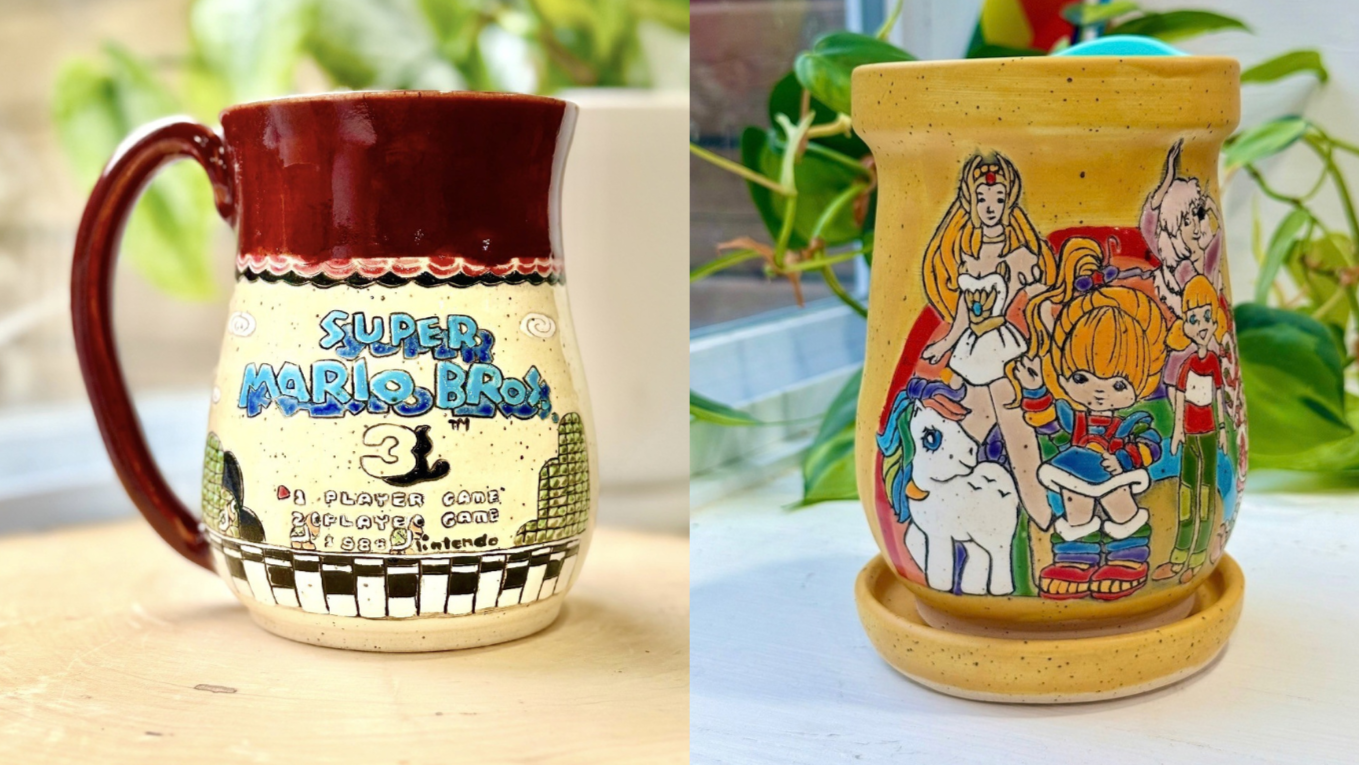
It’s not just traditional painters taking the hit. Potters, sculptors, and jewelry makers are caught in the crossfire. Customs rules for art are notoriously murky. Is it a commercial product or cultural property? U.S. customs officers often treat a unique ceramic sculpture like a box of imported widgets. Creators are left guessing whether their buyers will get slapped with unexpected bills upon delivery.
Turning Political Frustration Into New Markets
While some creators are scrambling to pause U.S. shipments, others are finding weird, unexpected pockets of demand.
Take Karyna Parsons, a potter working out of Newfoundland. Her work leans heavily into sharp, satirical commentary on current politics. Since she started leaning into anti-Trump themes, her online orders spiked. About 80 per cent of her sales now come directly from U.S. buyers.
The twist? Her American customers are so frustrated with their own administration's trade policies that they're happily absorbing the extra tariff costs themselves. They view it as a political statement. Parsons even tucks a package of Hawkins Cheezies into every outbound U.S. box to say thanks for dealing with the customs headache.
Still, individual resilience only goes so far. You can't rely on quirky viral moments to sustain an entire national creative sector.
Why Canada Needs a Real Cultural Export Strategy
Ana Serrano, president of OCAD University, has pointed out the glaring blind spot in how Ottawa treats creative industries. We talk endlessly about energy, critical minerals, and manufacturing exports. We treat culture like a nice hobby rather than hard economic intellectual property.
Countries in Europe and Asia buy high-end Canadian tech and resources all the time. Why aren’t we pushing our visual arts into those same trade corridors?
Groups like CARFAC and the Visual Arts Alliance are pushing the federal government for real solutions. They want targeted financial relief for galleries, GST exemptions for buyers supporting local creators, and clear, standardized customs guidelines for temporary art loans and exhibitions. Right now, individual artists are left to figure out international shipping logistics on their own. That's a massive failure of trade infrastructure.
Practical Steps for Creators Facing Border Hurdles
If you're a maker trying to navigate this messy trade climate, sitting around waiting for politicians to fix the border will drain your savings fast. You have to adapt.
- Diversify your geographic reach: Stop putting all your marketing eggs in the American basket. Build relationships with galleries and online platforms in the UK, Europe, and domestic urban centers.
- Sell local and direct: Host studio sales, pop-ups, and community events. Building a strong local collector base insulates you from foreign trade policy whims.
- Clarify shipping terms: If you do sell to the U.S., make sure your online checkout explicitly states who handles customs duties so buyers don't get nasty surprises that ruin their customer experience.
- Lean into your network: Talk to other artists in your region. Share shipping hacks, customs broker contacts, and co-op exhibition spaces to cut down overhead.
Art carries the identity, history, and voice of a country. Treating it like collateral damage in a trade war is short-sighted. Creators will keep making work because stopping is never an option, but it's time for Ottawa to back them up with real export muscle.