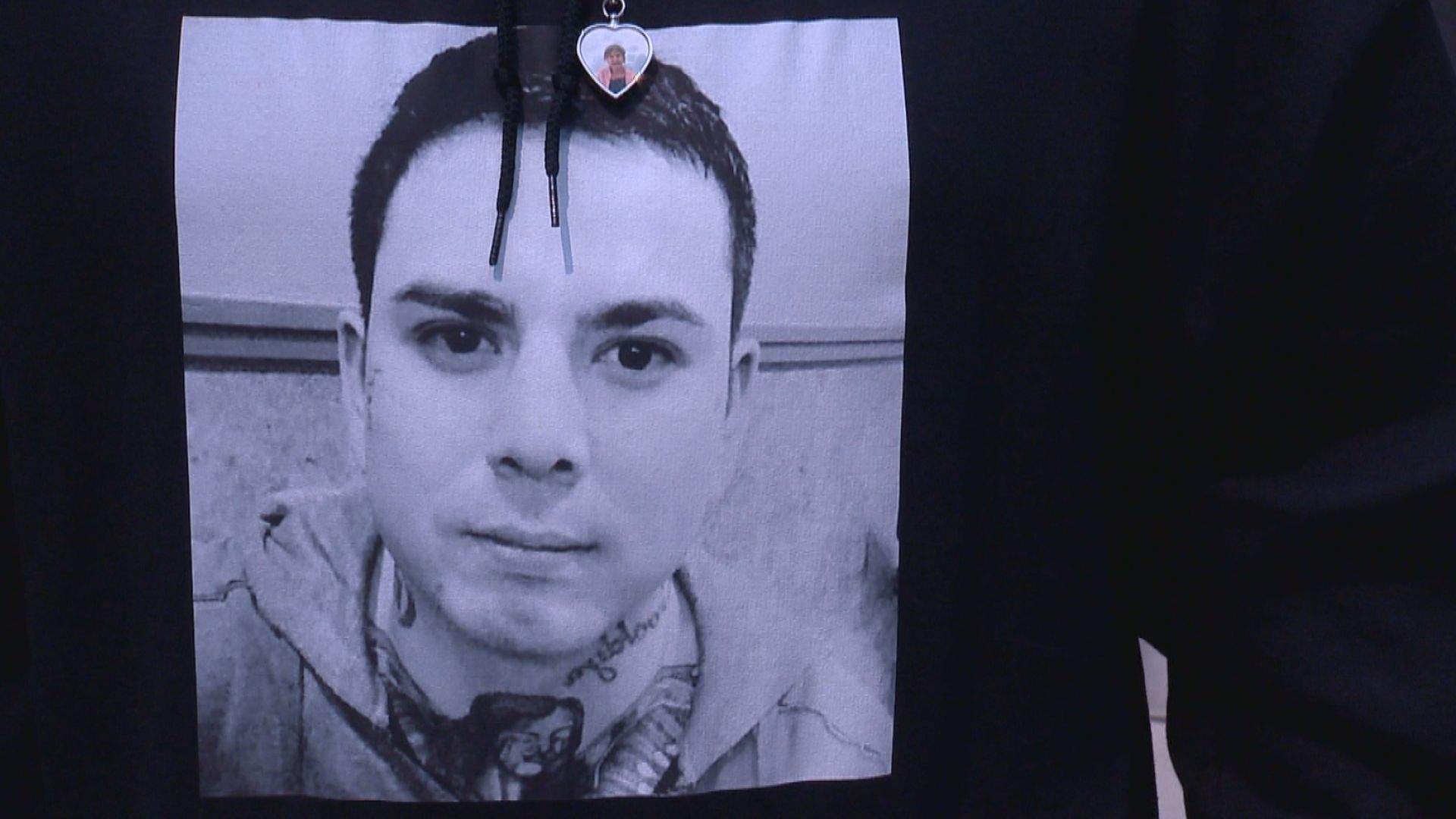
Seven minutes. That’s how long 40-year-old Boden Umpherville lay prone on his stomach while police held him down, ignoring his repeated calls for help.
During a public coroner’s inquest at the Court of King’s Bench in Prince Albert, Saskatchewan, startling details surfaced about what actually happened during the fatal traffic stop on April 1, 2023. Dashcam audio captured Umpherville saying "I cannot breathe" twice and "help" five times. Yet, no medical assessment occurred while officers restrained him. If you found value in this post, you should read: this related article.
Saskatchewan's chief forensic pathologist, Dr. Shaun Ladham, testified that Umpherville suffered cardiac arrest caused by a combination of drug use and a restricted airway while forced onto his stomach. The brain damage left him on life support until his family made the agonizing decision to turn off the machines.
The findings raise urgent questions about how law enforcement handles high-stress arrests involving substance use and physical restraint. For another perspective on this development, see the latest coverage from Reuters.
What Happened During the Prince Albert Traffic Stop
The incident began in the early morning hours near the 1200 block of 13th Street West in Prince Albert. Officers pulled over a 2010 Dodge Avenger, claiming the car was reported stolen earlier that day. Umpherville, a father of five and member of the Ahtahkakoop First Nation, was in the vehicle.
When officers attempted to make an arrest, the situation escalated rapidly. An emergency broadcast called every available officer on duty to the scene.
What followed was a violent confrontation captured partly on civilian phone video and police dashcams:
- Officers deployed Tasers multiple times against Umpherville.
- Police struck him repeatedly with batons and knees.
- Pepper spray was deployed into the vehicle.
- Umpherville was pulled from the car and forced face-down onto the pavement.
Despite his verbal distress and obvious physical exhaustion, officers maintained positional restraint. Dr. Ladham noted during his testimony that Umpherville struggled until his body simply gave out.
The Danger of Positional Asphyxia and Delayed Medical Assessment
The medical testimony provided at the inquest highlighted a crucial factor often overlooked during high-intensity police actions: positional asphyxia.
When a person is placed face-down on the ground with weight applied to their back or torso, their ability to expand their lungs drops drastically. Combine that physical strain with intense exertion, fear, and substances like cocaine or methamphetamine, and the heart faces extreme stress.
Dr. Ladham made it clear that a formal medical evaluation should have happened immediately when Umpherville expressed distress. Instead, his cardiac arrest went unnoticed for far too long.
This isn't an isolated issue. Similar cases across North America show that when law enforcement officers mistake physical distress for continued resistance, the results are frequently fatal.
The Gap Between Oversight Findings and Public Accountability
In 2025, the Saskatchewan Serious Incident Response Team (SIRT) completed an independent investigation into the incident and cleared the involved officers of criminal wrongdoing. SIRT classified the event as an in-custody death, determining that the officers acted within the scope of their duties during a high-risk arrest.
For Umpherville’s family and community advocate Chase Sinclair, that clearance felt like a complete denial of reality.
Coroner’s inquests don't lay criminal charges or assign legal blame. Their primary job is to establish facts publicly and allow a six-person jury to issue recommendations to prevent similar deaths.
Sinclair publicly stated that recommendations aren't enough—they need to be mandatory policy changes. Without binding enforcement, recommendations from coroner juries often sit on shelves while similar incidents repeat.
Critical Changes Needed in Police Operations Right Now
Preventing future deaths during police encounters requires concrete operational changes rather than minor policy adjustments.
Immediate Position Rotation
Once a suspect is handcuffed, officers must immediately roll them onto their side or sit them upright. Keeping anyone in a prone position on their stomach must be explicitly prohibited.Mandatory Medical Assessment Following Use of Force
Any time Tasers, pepper spray, or batons are used—or whenever a suspect states they cannot breathe—emergency medical services (EMS) must evaluate the individual immediately on scene.💡 You might also like: old main wayne stateMandatory Body-Worn Cameras
Dashcam audio provided vital evidence in this inquest, but gaps remained. Universal adoption of body-worn cameras ensures complete visual and audio documentation of officer-public interactions from start to finish.De-escalation and Addiction Training
Law enforcement personnel frequently encounter individuals experiencing substance-induced crisis or psychosis. Training must emphasize de-escalation tactics and recognize signs of physiological collapse rather than treating medical distress strictly as non-compliance.
Public safety relies on trust and accountability. Implementing strict medical protocols during arrests isn't just about reform—it's about basic human survival.