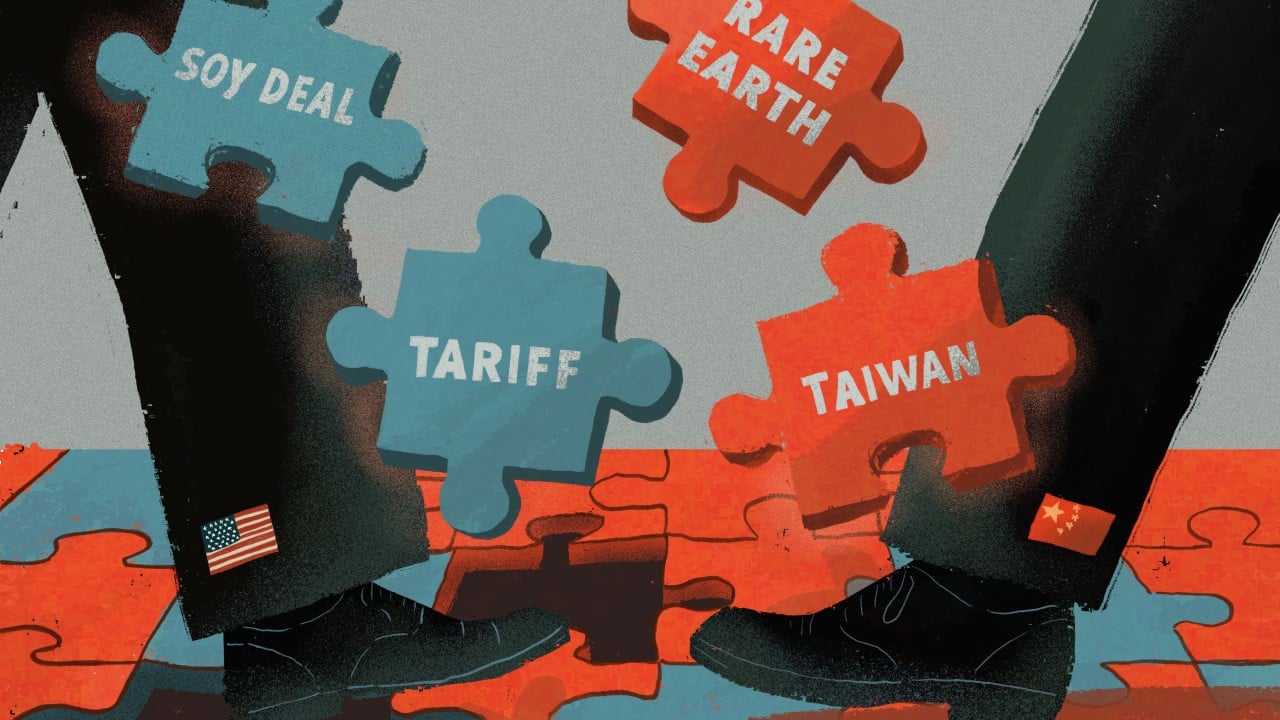
Everybody expected Beijing to panic. They didn't.
When unpredictable tariffs, abrupt diplomatic U-turns, and aggressive trade rhetoric fly out of Washington, foreign capitals usually scramble. They issue frantic press releases. They dispatch nervous delegations. They overreact.
China isn't doing that. Beijing is playing it cool.
If you look closely at how Chinese state media and top diplomats handle the daily chaos coming from the White House, you see a deliberate calculation. They are watching a superpower burn energy on short-term friction while keeping their eyes fixed on structural endurance.
Why this strategic composure? It boils down to a profound shift in how Beijing views American political cycles.
The Exhaustion of Constant Reaction
In the past, every loud announcement from Washington forced an immediate, sharp retort from Beijing. Officials would trade barbs word-for-word, matching hostility with hostility in real time.
That playbook is gone. Beijing realized it was a trap.
Reacting to every single headline gives the White House an unfair advantage. It sets a cadence dictated by someone else's social media feed. By refusing to chase every erratic policy trial balloon, Chinese leadership conserves diplomatic ammunition.
They know something simple: chaotic policy implementation often implodes under its own weight.
Tariffs sound great on a campaign stage. Managing the resulting inflation, supply chain bottlenecks, and domestic pushback from corporate lobbies is an entirely different nightmare. Beijing's strategy is to let the internal contradictions of US policy work against itself.
Playing the Long Game in Global Supply Chains
You can't decouple economies that have spent decades intertwining without breaking things. Washington tries anyway, but manufacturing ecosystems don't shift overnight just because a politician signs an executive order.
Factories take years to build. Skilled labor takes generations to train. Logistics networks take massive capital investments to reroute.
While US officials celebrate symbolic bans and export controls, Chinese commercial actors quietly adapt. They build alternative routes through Southeast Asia, Latin America, and the Middle East. They lock down critical minerals contracts across the Global South.
They aren't worried about the noise of today because they are buying the infrastructure of tomorrow.
The Domestic Audience Factor
There is another reason for this calm demeanor. Xi Jinping and his administration have domestic priorities that dwarf whatever happens in Washington.
China's economy faces internal restructuring pains. Property market recalibration, local government debt, and the transition toward high-tech manufacturing require absolute focus.
Panic looks weak to a domestic audience. Staying visibly unfazed projects strength, stability, and supreme confidence in the country's own path. State television doesn't need to scream about American trade threats when it can highlight domestic technological self-reliance or high-speed rail expansions.
It tells the average citizen that the government is steering the ship without looking terrified of every wave.
What Most Observers Miss About Asymmetric Patience
Western analysts often mistake silence for weakness or confusion. That is a massive mistake.
In grand strategy, patience is an active weapon. When your opponent is prone to erratic swings, your best move is often to stand completely still and let them overextend.
Think about how this plays out internationally. Other nations watching the spectacle notice the contrast. They see a volatile Washington threatening everyone with penalties one day and cutting deals the next, contrasted against a steady, predictable Beijing that keeps signing long-term trade pacts.
Countries in the Global South notice who offers predictable infrastructure loans versus who offers unpredictable lectures.
China doesn't need to win every tactical skirmish of the trade war. They are betting that the sheer fatigue of constant political churn will eventually erode American global coherence from the inside out.
Stop expecting Beijing to blink first. They are playing a completely different game, and they plan to outlast the clock.