When a drone targets Islam's holiest sanctuary, geopolitics stops being a diplomatic exercise and turns into a crisis. Saudi Arabia just drew a hard line in the sand after intercepting an explosive drone heading straight for Mecca. Riyadh claims the Iran-backed Houthi movement pulled the trigger. The Houthis flatly deny it. But regardless of who holds the smoking gun, the security math in the Middle East shifted overnight.
Oil infrastructure takes hits, trade routes face constant threats, and global markets scramble as crude prices hover past $100 a barrel. Yet the real story isn't just about soaring energy costs or closed oil pipelines. It's about how the entire regional architecture is buckling under pressure while traditional superpowers sit on the sidelines.
The Red Line That Changes the Rules
Mecca sits roughly 1,100 kilometers from the Yemen border. That is a long way for a drone to travel. Saudi military officials reported intercepting and destroying the aerial threat before it ever reached the airspace over the birthplace of the Prophet Muhammad.
Col. Turki al-Maliki pointed out that this is actually the second time the Houthis have targeted the holy city. Back in 2017, they launched a ballistic missile in that direction. But this new escalation hits differently. Saudi leadership has officially declared Mecca a red line.
Denials from Houthi leadership in Sana'a haven't slowed down the rhetorical or military retaliation. The group claims it had nothing to do with this specific drone run, even as they simultaneously boast about shooting down an F-15 fighter jet belonging to the Saudi-led coalition over Marib. Verification on that jet remains murky, but the escalation is crystal clear.
Where Is the Allied Support?
For decades, Riyadh relied on a simple formula: massive oil wealth buys reliable Western security guarantees. Right now, that formula is broken.
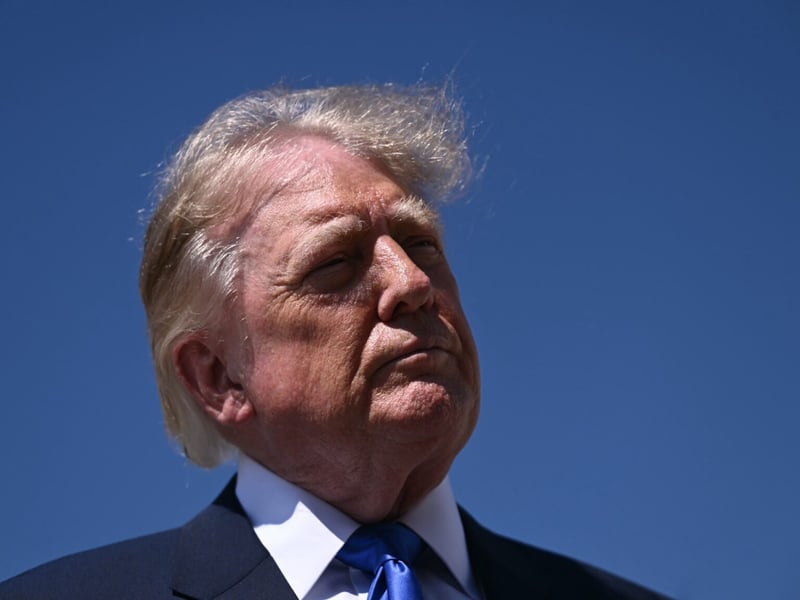
Washington isn't rushing to bail out the kingdom. President Donald Trump noted publicly that the Houthis told the U.S. they don't want a fight with American forces, signaling a distinct lack of appetite for direct military intervention. Vice President J.D. Vance confirmed Washington maintains open lines of communication with both the Saudis and the Houthis directly, calling the situation dynamic and fluid.
Meanwhile, a heavily touted defense pact linking Saudi Arabia, Turkey, and Pakistan remains largely theoretical. Officials in Ankara and Islamabad confirmed they haven't received an official request for military help from Riyadh yet. Turkey insists that institutionalizing the alliance takes time, while Pakistani Prime Minister Shehbaz Sharif offered strong verbal solidarity without sending troops or hardware.
When you're the world's biggest oil exporter and your critical energy pipelines are out of service for weeks of repairs, verbal solidarity doesn't keep your economy humming.
The Broader Regional Chessboard
While the Gulf burns, diplomacy takes weird detours. Iran's top diplomat, Abbas Araghchi, traveled to Beijing to meet with Chinese officials. China remains the largest buyer of Iranian oil and wants to project stability. President Xi Jinping used a BRICS gathering to offer Beijing's mediation services, positioning China as an alternative power broker in a region long dominated by Washington.
At the same time, ongoing disruptions in the Strait of Hormuz and the Red Sea keep commercial shipping on edge. Tankers navigate a gauntlet of maritime threats while insurance rates skyrocket.
What Happens Next
Saudi Arabia faces a brutal strategic reality. Relying on outside powers to secure its borders is no longer a guaranteed bet. The kingdom has to balance its expensive military campaign in Yemen with domestic economic transformations, all while managing hostile regional proxies backed by Tehran.
If the red line around Mecca means anything, Riyadh will likely feel compelled to respond with overwhelming force, regardless of international hesitation. Expect tighter security cordons around holy sites, increased friction in Gulf waterways, and a desperate search for reliable, boots-on-the-ground defense partners who can actually deliver when the drones start flying.